
 Nana Banana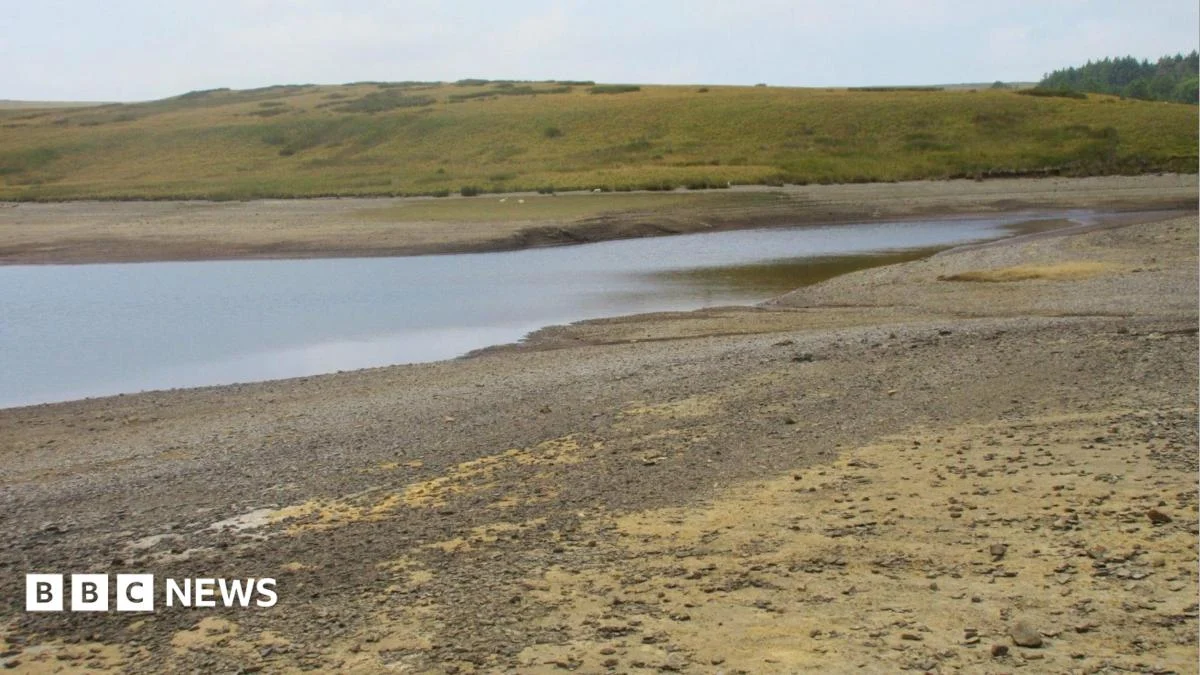
A drought has been extended across the entirety of Wales, marking a critical environmental milestone as the country grapples with what is projected to be its driest July on record in 190 years. The declaration, made by Natural Resources Wales (NRW), the nation’s primary environmental body, underscores the severe and accelerating impact of prolonged high temperatures on the natural environment. NRW’s decision reflects a rapidly deteriorating ecological state, driven by unprecedented climatic conditions that have seen vital water systems reach perilously low levels.
The official declaration on Thursday was not an unexpected move, following an initial drought announcement last week that encompassed north and parts of mid-Wales. However, the rapid escalation to a nationwide drought within days highlights the swift and pervasive nature of the crisis. This decision is a direct response to a confluence of alarming indicators: river levels plunging to record lows, soils becoming parched and brittle, an alarming increase in widespread wildfires, and mounting detrimental impacts on Wales’ precious wildlife, its vital farming sector, and burgeoning forestry industry.
For the public, this nationwide announcement immediately triggers several key responses from NRW. Firstly, there will be an intensified and comprehensive monitoring of river systems across Wales. This involves more frequent data collection on water flow rates, oxygen levels, and overall water quality, allowing NRW to track the environmental degradation in real-time and inform future interventions. Secondly, the public can expect stronger, more explicit advice on responsible water usage. While this declaration does not, at present, signify an immediate threat to domestic and business water supplies – Welsh water companies affirm that reservoir levels are currently stable due to a wetter start to the year – it is a stark warning that conservation efforts are paramount to prevent future shortages.
NRW’s latest figures paint a stark picture: Wales has received a mere 8% of its long-term average rainfall for July, a statistic that underscores the severity of the deficit. Consequently, most rivers throughout the country are experiencing "exceptionally low" flows, with some waterways reduced to trickles or completely drying up in sections. The crisis extends beneath the surface, as groundwater levels are also in decline, with many significantly lower than typically expected for this time of year. This depletion of both surface and subsurface water sources creates a compounding problem, as groundwater typically feeds rivers during dry periods, further exacerbating the stress on aquatic ecosystems.
The environmental body’s teams are currently inundated with reports detailing "wide-reaching impacts to the environment," confirming that "conditions across Wales’ natural environment have continued to deteriorate" at an alarming rate. These impacts are varied and profound. Drying riverbeds are becoming an increasingly common sight, disrupting habitats and isolating aquatic species. Fish are reported to be in severe distress, struggling with reduced water volumes, elevated water temperatures, and critically low oxygen levels. This stress can lead to mass mortalities and severely impact fish populations, including protected species. An accumulation of algae, often a sign of nutrient enrichment combined with low flows and high temperatures, is also being observed, further depleting oxygen and harming aquatic life.
Beyond the aquatic realm, the wildfire risk has escalated to critical levels, turning dry vegetation into highly flammable tinder. This poses a significant threat to natural habitats, agricultural land, and even residential areas, stretching emergency services and causing extensive ecological damage. Farmers, the custodians of much of Wales’ landscape, are expressing deep concern. Crop growth is severely hampered by the lack of moisture, threatening yields and livelihoods. Grazing conditions for livestock are rapidly deteriorating as pastures turn brown and brittle, necessitating supplementary feed and raising operational costs. Water availability for livestock, a fundamental requirement, is also becoming a pressing issue, with some farmers facing challenges in sourcing adequate drinking water for their animals.
The current situation also has broader implications for Wales’ biodiversity. Wetlands, crucial carbon sinks and biodiversity hotspots, are drying out, threatening amphibian, insect, and bird populations dependent on these fragile ecosystems. Terrestrial wildlife faces challenges in finding sufficient water and food, potentially leading to increased competition and stress across various species. The long-term health of forests, particularly younger trees, is also compromised, making them more susceptible to pests and diseases, and increasing the risk of widespread tree loss.
While domestic water supplies are currently deemed secure, the declaration serves as a vital signal to water companies like Dŵr Cymru Welsh Water and Hafren Dyfrdwy to intensify their resource management strategies. This includes close monitoring of reservoir levels, exploring options for inter-basin transfers, and preparing contingency plans should the dry spell continue. The resilience of Wales’ water infrastructure, bolstered by a relatively wet start to the year that saw reservoirs well-stocked, is being tested, and continued responsible consumption will be crucial in preventing future restrictions such as hosepipe bans.
The declaration of an environmental drought, as opposed to a supply drought, highlights the immediate and direct threat to the natural world. It underscores that even if taps continue to run, the very ecosystems that underpin Welsh life – from clean air and water to healthy soils for food production – are under immense strain. This distinction is critical for public understanding: while personal convenience may not yet be affected, the foundational health of the environment is in peril.
This unprecedented drought event is not an isolated incident but rather fits within a broader pattern of climate change, which is manifesting through more frequent and intense extreme weather events globally. Heatwaves and prolonged dry spells are becoming more common, and their impacts more severe. For Wales, a nation often associated with lush, green landscapes and abundant rainfall, this drought serves as a potent reminder of the escalating climate crisis and the urgent need for both mitigation efforts to reduce greenhouse gas emissions and adaptation strategies to cope with the inevitable changes already in motion.
Looking ahead, the duration and intensity of the current drought will determine its ultimate impact. If sustained high temperatures and low rainfall persist into the autumn, the pressure on water resources will become critical, potentially necessitating more stringent water use restrictions for homes and businesses. Long-term strategies for water resilience in Wales will need to be accelerated, including investments in infrastructure, sophisticated demand management programmes, and policy changes to ensure sustainable water use across all sectors. The nationwide drought declaration for Wales is a sobering call to action, demanding collective responsibility and a heightened awareness of our precious natural resources in the face of a rapidly changing climate.



 atisusanti
 George Anjay
 Nakalama John

 Ramos Leo