
 atisusanti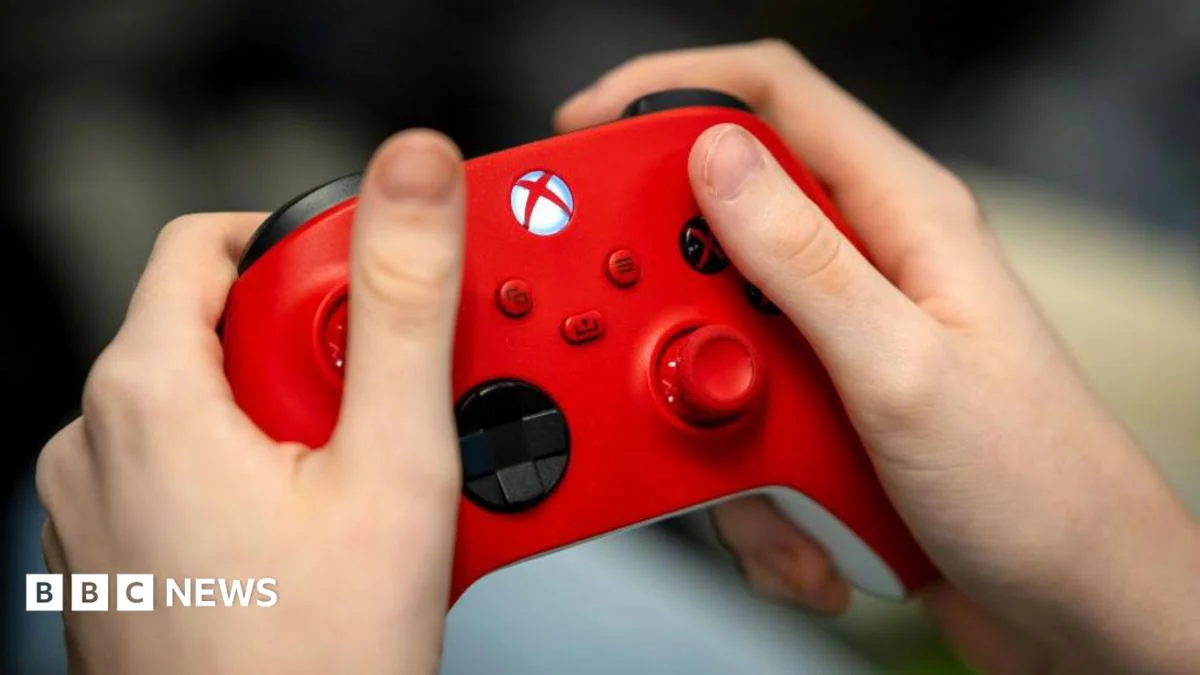
The gaming world was recently thrown into disarray by a widespread Xbox outage that, according to Xbox’s own tech boss, should have been entirely avoidable and critically, should not have impacted players attempting to play physical disc-based games. This incident, which left millions of gamers unable to access online services and even some offline functionalities, has reignited a fervent debate about the future of digital-only gaming and the inherent vulnerabilities that come with it. The fact that the outage extended to prevent disc-based games from functioning, a cornerstone of physical media, has been met with widespread condemnation and has amplified concerns previously simmering within the gaming community.
This recent Xbox debacle follows closely on the heels of a separate, yet eerily similar, incident on July 24th, when the PlayStation Network (PSN) also experienced a significant outage lasting for several hours. These successive disruptions have not only caused frustration and inconvenience for players but have also sown a palpable sense of unease regarding the industry’s trajectory towards a "digital-only future." The core of this unease lies in the complex and often contentious questions surrounding game ownership and licensing in a purely digital landscape, where consumers often find themselves with a license to play rather than true ownership of a tangible product.
The implications of these outages are particularly stark when viewed in the context of recent industry announcements. In June, Rockstar Games, a titan in the gaming industry, made a significant announcement that sent ripples through the community: physical copies of GTA 6, arguably one of the most anticipated games in history, would not contain a traditional game disc. Instead, these physical editions would include a code for a digital download of the game. This decision, while perhaps aimed at streamlining distribution or combating piracy, directly contradicts the very concept of a physical copy providing immediate, disc-based access.
Nintendo, too, has been steadily shifting its focus towards digital distribution in recent years. While still offering physical cartridges for its consoles, the company has introduced "Game-Key Cards." These physical cards essentially act as a digital key, requiring players to download the game rather than containing the game’s data directly on the cartridge itself. This represents a subtle but significant move away from the traditional model where a physical medium held the entire game.
Adding further fuel to the fire, Sony, a dominant player in the console market, announced earlier this month plans that would see the end of new PlayStation game releases on physical discs from January 2028. According to an official blog post, while new games would still be available for purchase in physical retail stores, these editions would no longer contain a disc. Instead, they would be bundled with a digital code for download. This announcement, in particular, has been met with considerable backlash from a vocal segment of the gaming population who are deeply worried about a future devoid of physical games and the potential implications for accessibility, preservation, and ownership.
The widespread concern is not merely about the absence of a disc; it’s about the underlying shift in how games are distributed and the potential erosion of consumer rights. The "Stop Killing Games" movement, a consumer rights advocacy group, has been actively campaigning for publishers to ensure that online games remain playable even after their servers are eventually shut down. This movement highlights a critical aspect of digital ownership: the reliance on external servers and publisher goodwill for continued access.
Following Rockstar’s announcement regarding GTA 6, Scott Ross, co-founder of "Stop Killing Games," articulated this sentiment eloquently: "The problem is the industry has a very poor reputation of disabling games once they end support." He further emphasized the lack of trust from consumers towards many large publishers. Ross clarified that while the absence of a disc isn’t the inherent problem, it can often be a symptom of broader, "consumer-hostile practices." This suggests that the move away from physical media is perceived by some as a slippery slope towards less consumer-friendly models.
Jez Corden, executive editor of the prominent gaming website Windows Central, echoed these sentiments, noting that Sony’s decision to cease physical game releases has effectively "put digital rights under a microscope." He also observed that the statement issued by Xbox regarding the recent outage appeared to demonstrate a heightened sensitivity to the ongoing discussions surrounding digital rights and the future of disc-based games. This sensitivity, he suggests, is a direct consequence of the industry’s recent stumbles and the amplified public scrutiny they have attracted.
While digital sales now undoubtedly account for the vast majority of game revenue, the recent spate of high-profile outages across major platforms has offered a glimmer of hope to those advocating for a more balanced approach. Some are now cautiously optimistic that these disruptions may prompt game companies to re-evaluate their strategies and consider the long-term implications of an exclusively digital future. The reliability and accessibility issues highlighted by these incidents serve as a stark reminder that even in an increasingly digital world, physical media offers a degree of independence and permanence that purely digital offerings can struggle to match.
The Xbox tech boss’s acknowledgment of the outage’s unacceptability, particularly its impact on disc-based games, is a significant admission. It underscores the critical need for robust infrastructure and resilient systems that can withstand technical challenges without compromising fundamental access for consumers, regardless of their chosen method of game acquisition. The incident has inadvertently become a powerful argument for maintaining physical options and for ensuring that the transition to digital does not come at the expense of player autonomy and long-term game preservation. The gaming industry is at a crossroads, and the recent outages have served as a potent wake-up call, urging a more considered and consumer-centric approach to the evolving landscape of game distribution and ownership.




 Nana Banana
 George Anjay
 Nakalama John
 Ramos Leo