
 Nana Banana
There, a bright yellow robotic probe, an Argo float, descends into the icy depths, a sentinel in a vast network of instruments. Roughly the size of a person, its robust metal casing houses an array of sophisticated sensors designed to unravel one of the ocean’s most enduring mysteries: how its hidden movements dictate the climate patterns above. Without human intervention, this autonomous float drifts with the powerful currents, meticulously recording water temperature, salinity, and pressure. Upon its ascent, it briefly breaches the surface, transmitting its invaluable data via satellite before resuming its solitary cycle of diving, drifting, measuring, and transmitting. These floats are instrumental in investigating a question of paramount importance in climate science: is the Atlantic Meridional Overturning Circulation (AMOC), a colossal system of ocean currents, beginning to falter?

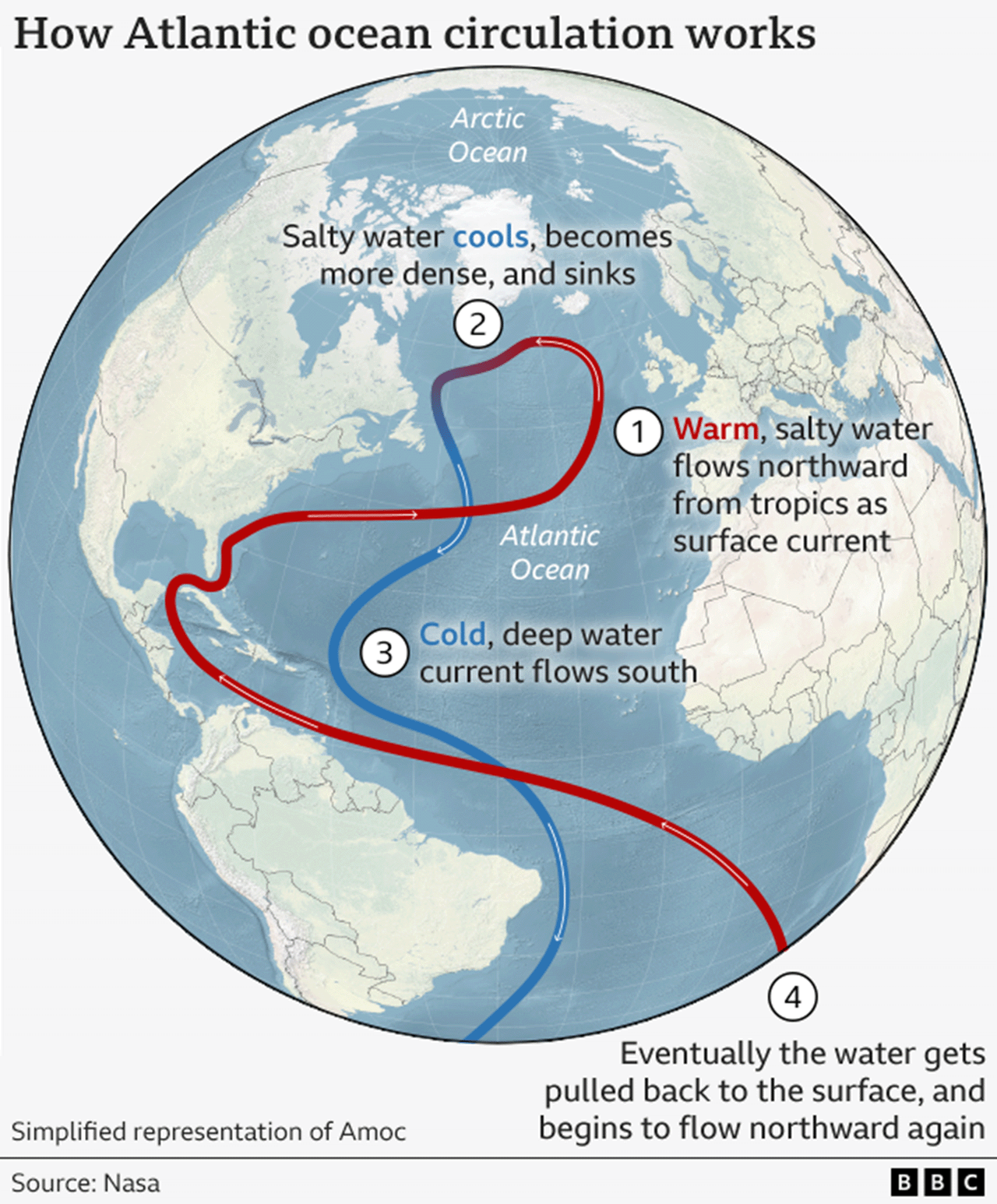
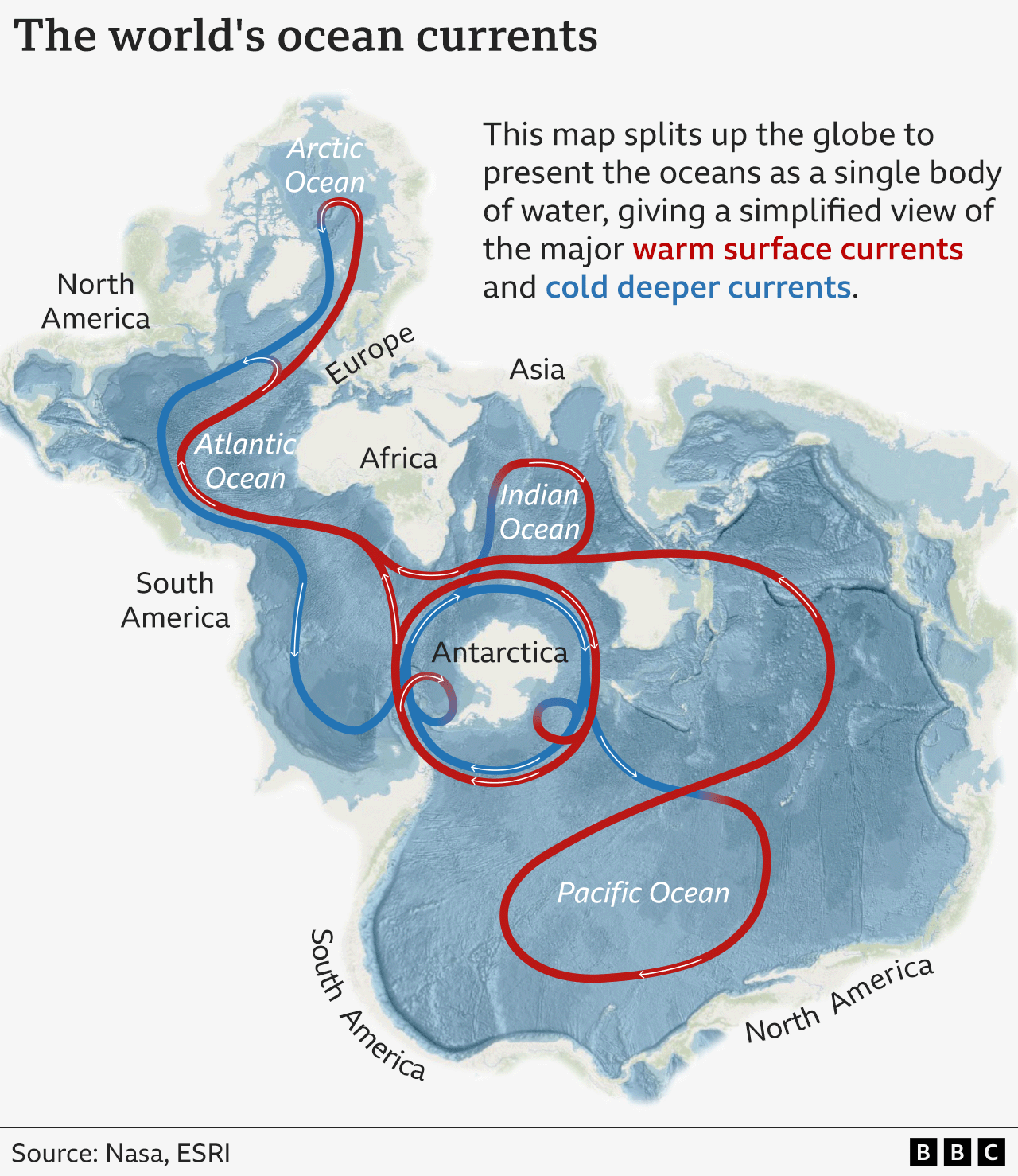
The AMOC is an immense, north-south flowing oceanic conveyor belt. It tirelessly ferries warm, salty surface waters from the tropics towards the Arctic, releasing vast amounts of heat into the atmosphere along its journey. Once cooled and densified, these waters then sink into the deep ocean, beginning a thousands-of-miles-long return journey south. This colossal heat-moving system is a key component of Earth’s climate engine, and for Britain and north-west Europe, its influence is particularly profound. It is largely responsible for the region’s milder climate, defying their northerly latitudes which would otherwise experience much harsher conditions, akin to parts of Canada. The sheer scale of the AMOC is staggering, transporting approximately one petawatt of heat northwards – a colossal amount, roughly 50 times the total energy consumed by humanity.
However, scientists warn that this vital circulation system is under unprecedented pressure. Most climate models and observations agree that the AMOC is likely to weaken as the planet continues to warm. The UK government itself has recognized the AMOC as "a key component within the Earth’s climate system" and a contributor to the nation’s long-term climate risks. The scientific community’s primary debate now centers not on if it will weaken, but how much and how fast it could change, and what the precise implications would be for global weather patterns, particularly for the familiar seasonal cycles of Europe.

The question’s urgency stems from the AMOC’s far-reaching influence. The planet’s climate is driven by the fundamental imbalance of solar energy absorption – the tropics receive far more heat than the poles. Both atmospheric and oceanic circulation systems, including the AMOC, act as giant regulators, striving to redistribute this energy. The heat released by the Atlantic into the overlying atmosphere fuels storms, directs prevailing winds, and influences the pressure systems that sweep across north-west Europe. Consequently, any significant alteration to this oceanic powerhouse directly translates into shifts in our weather.
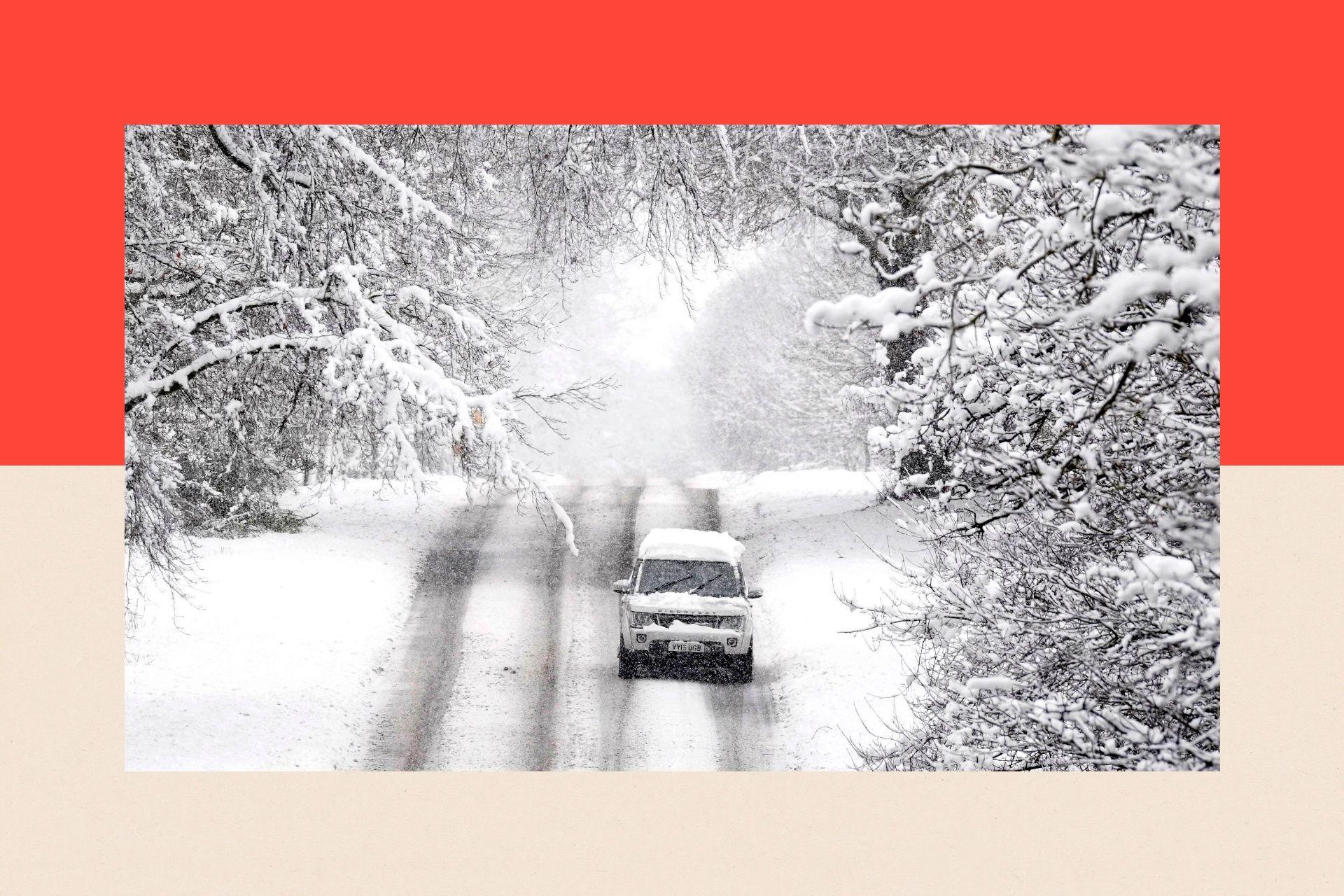
Intriguingly, such shifts could manifest in ways that seem paradoxical in a warming world: more extreme swings in the UK’s weather, potentially including significantly colder and harsher winters, even as global average temperatures continue their relentless upward trend. Beyond the chilling prospect of winter, a weakening AMOC could also lead to more intense heatwaves in summer and changes in rainfall patterns, contributing to a generally more volatile and unpredictable climate.

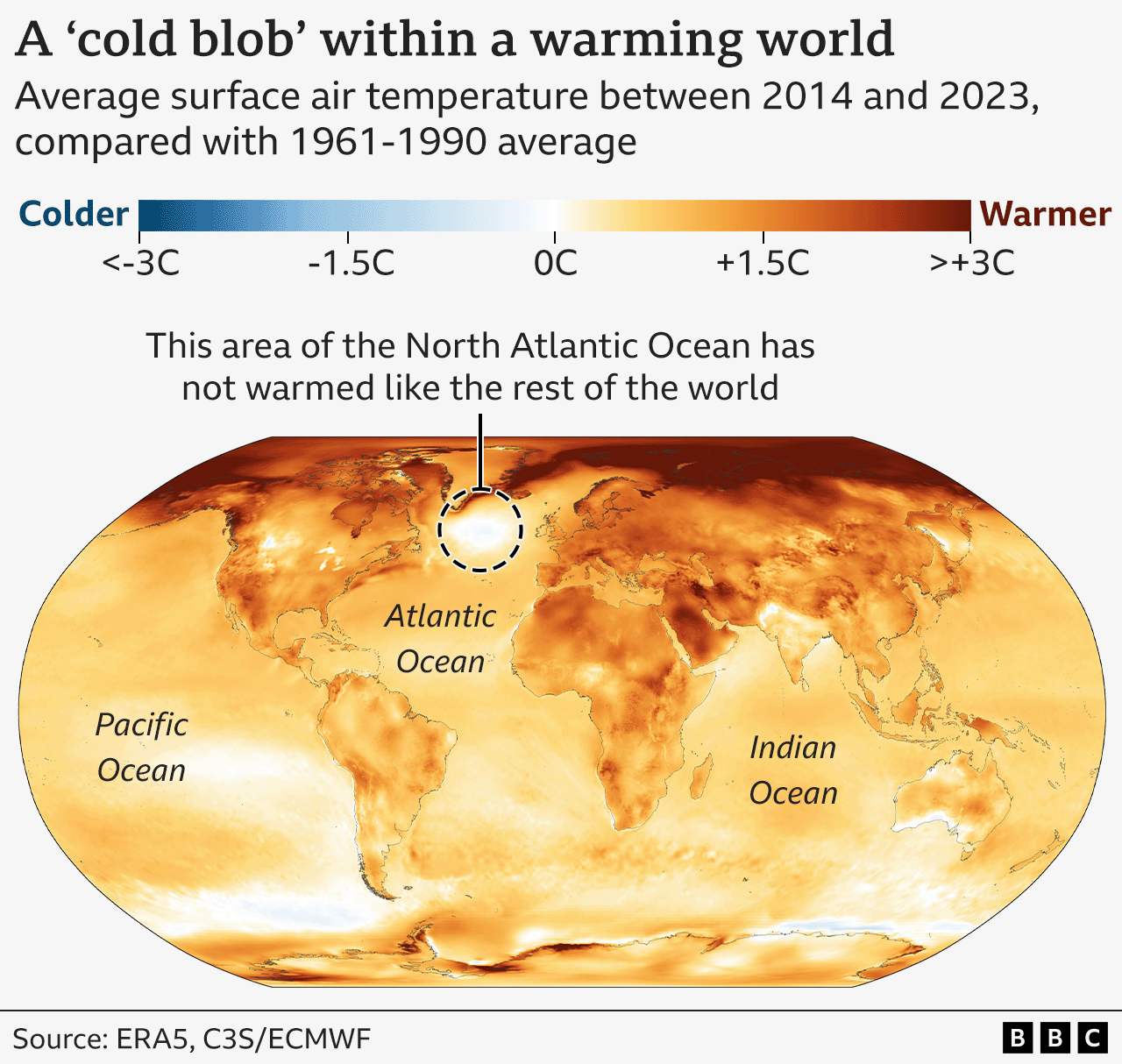
Some researchers contend that the warning signs are already evident. They point to an anomalous patch of cooling in the North Atlantic, often dubbed the "cold blob," which defies the general trend of ocean warming. This area, located south of Greenland, appears as a strange blue smudge on climate maps otherwise dominated by warming reds and oranges. For scientists like Professor Stefan Rahmstorf of the Potsdam Institute for Climate Impact Research, a leading expert on the AMOC, this cold blob is a clear "fingerprint" of the circulation’s deceleration. If less warm water is being transported northwards by the AMOC, that region would naturally experience less warming, or even cooling, relative to its surroundings. Furthermore, observed changes in water salinity and shifts in the Gulf Stream’s path provide additional indirect evidence, suggesting the AMOC may be less stable than previously assumed, raising the alarming possibility of a sharper decline or even a "collapse."
However, others advocate for caution, emphasizing that weakening is distinct from outright collapse. They suggest the evidence might indicate a slower, more gradual decline or a reorganization of the system, rather than an abrupt shutdown. Yet, even a significant weakening, short of total collapse, could drastically alter storm tracks, modify rainfall distribution, and usher in more volatile winters across the UK and north-west Europe. The ramifications extend far beyond Europe’s shores, potentially tugging at the West African monsoon, altering tropical rainfall belts, and impacting precipitation over the Amazon rainforest. These are not abstract geographical changes; they translate into direct threats to harvests, water supplies, and the livelihoods of hundreds of millions of people globally. This profound interconnectedness underscores why scientists are monitoring the ocean so meticulously.
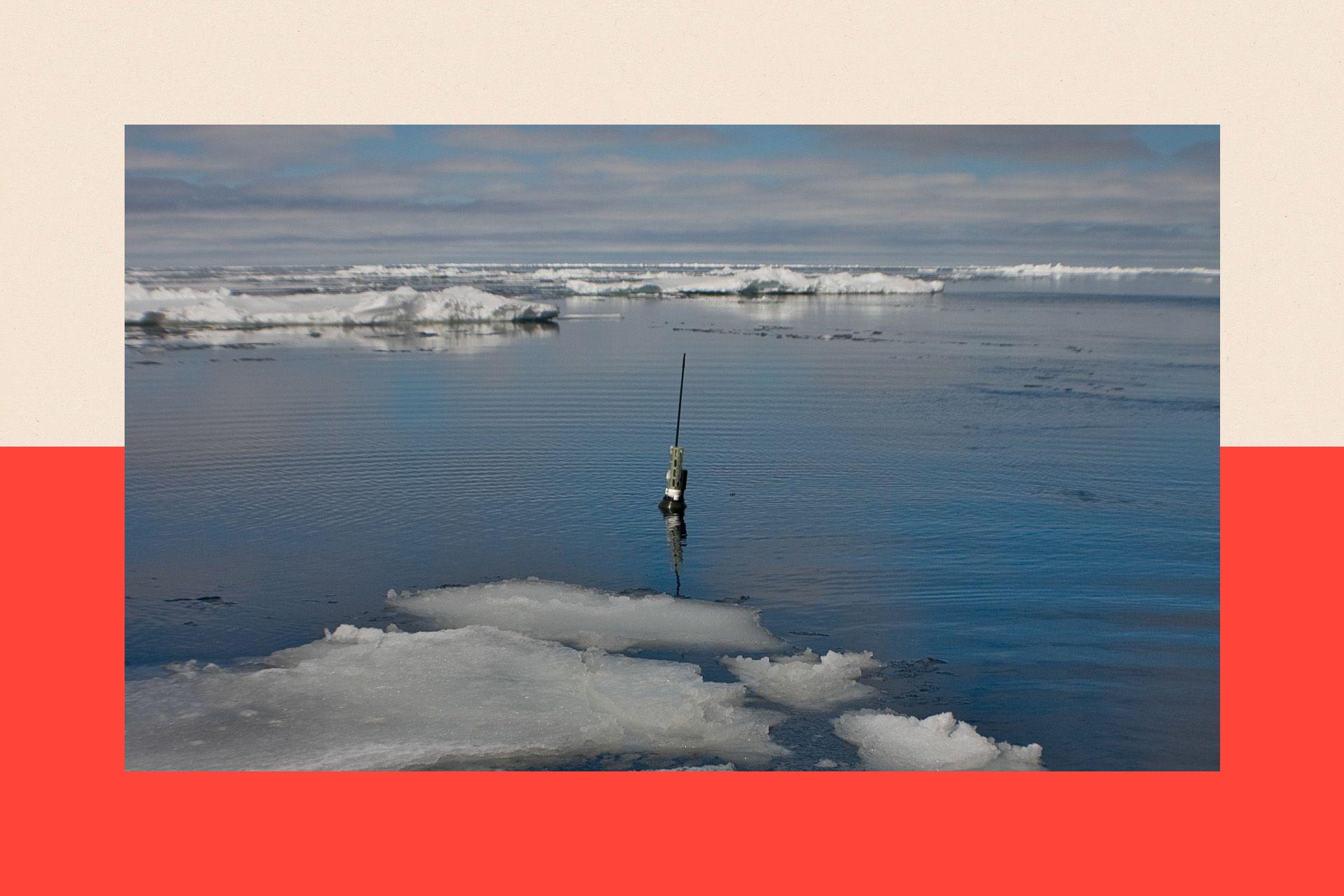
The Argo floats represent just one facet of this comprehensive monitoring effort. Satellites, moored arrays of sensors, and dedicated research vessels continuously gather modern oceanographic data. Complementing these contemporary observations are clues from Earth’s ancient past, meticulously preserved in mud, shells, ice cores, and rock strata. These fragments of evidence paint a vivid picture of times when the Atlantic’s circulation underwent astonishingly rapid changes.
Recent research from University College London (UCL), for instance, has peered back nearly 13,000 years to the Younger Dryas, a dramatic and sudden reversal of the post-ice age warming trend. This period saw cooling take hold within mere decades, plunging Britain and much of northern Europe back into hostile, near-glacial conditions for over a millennium. Glaciers re-advanced in the Scottish uplands, forcing the small bands of hunter-gatherers inhabiting Britain into catastrophic upheaval, compelling them to adapt or retreat as their landscapes transformed. For modern AMOC scientists, the Younger Dryas is a powerful historical analogue, revealing the Atlantic’s capacity for abrupt alteration. The UCL study, led by Fangjingcheng Zhu, suggests that during the Younger Dryas, the AMOC didn’t merely weaken; it fundamentally rearranged itself, with the Gulf Stream shifting hundreds of miles north, redirecting warmer waters towards eastern Canada. This historical event serves as a stark warning: the Atlantic circulation can be "abruptly altered during climate change."
Professor Stefan Rahmstorf, whose career has spanned decades studying the Atlantic circulation’s stability, attests that these ancient climate records consistently reveal that climate change often unfolds not smoothly, but through "jumps and jolts and non-linear effects." For years, Rahmstorf considered an AMOC shutdown a low-probability, high-impact risk. However, his perspective has shifted dramatically. "In the last five years or so," he states, "I really unfortunately had to change my view about the probability of this happening."
Rahmstorf’s evolving concern centres on the fundamental mechanics of the AMOC. The circulation relies on the sinking of dense water in the high North Atlantic. Both cold temperatures and high salinity contribute to water density. As warm, salty surface water flows northward, evaporation increases its salt content. Further north, it cools. This combined effect makes the water dense enough to sink into the abyssal ocean, driving the AMOC’s overturning flow. Rahmstorf’s apprehension is not merely that global warming will weaken this process, but that beyond a critical threshold, the weakening could become self-perpetuating. Warmer surface waters are inherently lighter. Increased freshwater input from melting ice sheets and glaciers, coupled with enhanced rainfall, makes the ocean less salty, and thus lighter. If the North Atlantic waters become too light, less sinking occurs, weakening the AMOC. A weaker AMOC, in turn, transports less salty water northwards, further reducing density, creating a perilous feedback loop. As Rahmstorf succinctly puts it: "We have this AMOC because it’s salty enough in the North Atlantic. And it’s salty enough because we have the AMOC. So that’s a self-sustaining system." Crossing a "tipping point" would mean losing control, as the process would become self-amplifying and irreversible on human timescales.
Yet, not all scientists interpret the evidence with the same level of alarm regarding an imminent collapse. Professor Andrew Watson, a distinguished ocean scientist at the University of Exeter, while acknowledging the AMOC’s past variability and the possibility of future change, urges caution against overly simplistic interpretations. He highlights the AMOC’s inherent complexity, arguing it’s not a single "conveyor belt" that can simply switch off. The planet’s heat-moving imperative remains; if deep water formation diminishes in the North Atlantic, the system may not cease but rather reorganize, with sinking potentially shifting elsewhere. Watson points out that deep water formation isn’t a simple "plughole" but involves intricate processes of eddies, mixing, rotation, and friction near land – details that current climate models, with their often broad grid boxes, can only approximate.
This caveat is reflected in recent work from the UK Met Office. A study published last year, led by Dr. Jonathan Baker, examined the AMOC across various climate models. Their conclusion offered a degree of reassurance regarding a total collapse this century, deeming it unlikely. However, it simultaneously underscored that even a significant weakening, short of collapse, would profoundly reshape weather patterns across Europe and beyond. Watson further emphasizes that any AMOC weakening would unfold within a globally warming context. The cooling influence of a diminished AMOC would likely be partially offset by the overarching rise in global temperatures. Britain and north-west Europe would not be plunged back into an ice age, but rather experience a more complicated future: continued risks of extreme summer heat, increased vulnerability to cold, volatile winters, and generally more erratic weather.
Rahmstorf concurs that global warming might temper the average temperature impact but argues this doesn’t render the risk benign. "This moderation may be in a climatological 30-year average temperature sense," he clarifies, "but not for our weather." A weaker AMOC, he contends, could intensify drought impacts for Europe and sharpen the temperature contrast between northern and southern Europe, a gradient that fuels storms and other extreme weather events.
The Intergovernmental Panel on Climate Change (IPCC), the UN-backed body that synthesizes global climate research, currently offers the most authoritative assessment. Its 2021 report concluded that the AMOC is "very likely" to weaken this century, but that an "abrupt collapse" before 2100 was "not expected." However, the IPCC’s assessments are snapshots of available evidence, and the scientific field is dynamic. New studies since 2021 have indeed sharpened concerns, while others have challenged the methodologies underpinning some of the more dramatic warnings.
This ongoing debate highlights the challenging nature of scientific inquiry, particularly when dealing with complex, high-stakes systems. Watson stresses the importance of acknowledging uncertainty, viewing caution not as complacency but as a demand for greater precision. Rahmstorf, conversely, draws a different conclusion from the same uncertainty: "We will not have certainty before it’s too late," he asserts. "So we will have to act on our uncertainty."
Despite the nuanced disagreements on timing and magnitude, there is universal consensus among scientists regarding the fundamental driver of this risk: the relentless warming of the planet. The more greenhouse gases humanity continues to release into the atmosphere, the greater the stress placed upon the AMOC. While cutting emissions cannot eliminate every uncertainty or guarantee the Atlantic will behave predictably, it undeniably reduces the immense pressure on a system that no society can afford to push beyond its limits.
Somewhere in the vast North Atlantic, the Argo floats continue their silent, rhythmic dives, drifts, and ascents, diligently measuring a circulation that remains profoundly influential, still mysterious, and entirely capable of delivering surprises. Whether the AMOC is merely weakening or teetering on the brink of a more abrupt transformation remains an unresolved question, but one truth stands unequivocally clear: the safest and most responsible response lies in a rapid and decisive reduction of global greenhouse gas emissions.




 atisusanti
 George Anjay
 Nakalama John

 Ramos Leo