George Anjay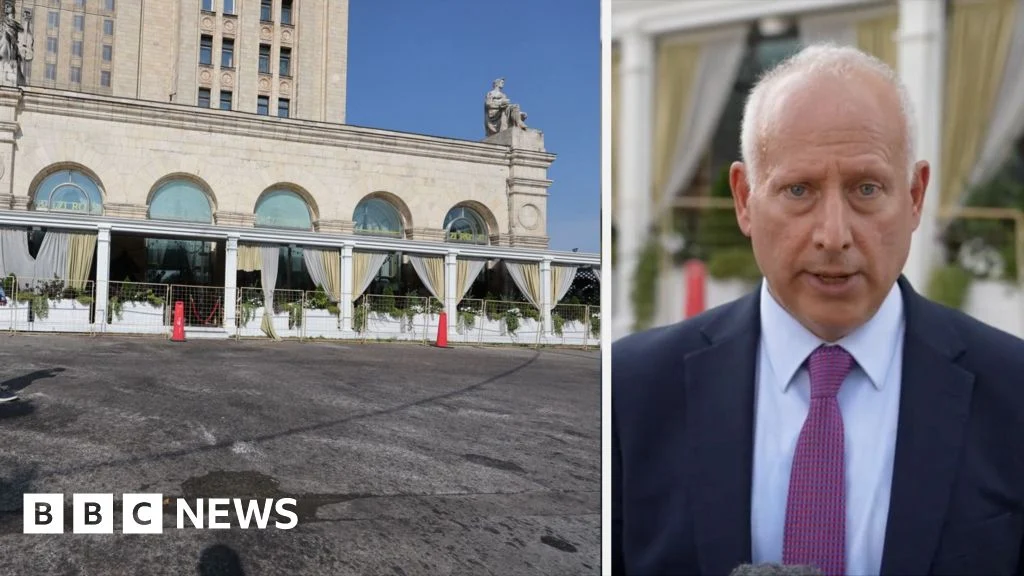
The National Anti-Terrorist Committee, a formidable governmental body tasked with countering terrorism, quickly released preliminary details that painted a grim picture of the events leading up to the detonation. According to their statement, a woman, whose identity remains under investigation, attempted to gain entry to the restaurant, a popular establishment known for its authentic Italian cuisine and often the venue for private gatherings. Crucially, this same establishment was reportedly hosting a private event at the time of the incident, amplifying the potential for a devastating loss of life. However, her progress was reportedly halted by a vigilant security guard stationed at the entrance. It was at this critical juncture, as the woman was being intercepted, that the homemade explosive device was detonated. The precise circumstances surrounding the detonation – whether it was a deliberate act by the woman, an accidental discharge, or a consequence of the confrontation – are central to the ongoing investigation.
The BBC’s Russia editor, Steve Rosenberg, was among the first journalists on the scene, providing immediate on-the-ground reporting that conveyed the palpable shock and disarray that gripped Kudrinskaya Square. His dispatches offered a vivid, if harrowing, account of the immediate aftermath: emergency services swarming the area, the air thick with the acrid smell of smoke and debris, and the stunned faces of onlookers grappling with the horrific reality of what had transpired. The initial images broadcast showed the restaurant’s facade bearing the brutal scars of the explosion, with shattered windows, a mangled entrance, and debris strewn across the pavement. The sheer force of the blast was evident in the extent of the damage, suggesting a device of significant power and malicious intent.
Kudrinskaya Square, a prominent landmark in Moscow, typically buzzes with activity, a hub for both residents and tourists, especially in the early evening hours. The juxtaposition of this vibrant urban landscape with the sudden eruption of violence underscored the shocking nature of the attack. Witnesses, still visibly shaken, described a deafening roar followed by a cascade of shattering glass and the unsettling sight of people fleeing the scene in a panic. Some recounted seeing individuals emerge from the restaurant dazed and injured, their clothes torn and their faces smudged with soot. The immediate priority for emergency responders was to tend to the injured, with ambulances arriving in rapid succession to ferry the wounded to nearby hospitals. The scale of the casualties, both dead and injured, pointed towards a carefully planned and executed act, designed to inflict maximum harm.
The National Anti-Terrorist Committee’s involvement immediately elevated the incident to the highest level of national security concern. Their pronouncements, though initially sparse, indicated that all avenues were being explored, including the possibility of a terrorist motive. The mention of a "homemade explosive device" further fueled these concerns, suggesting a level of sophistication and intent that goes beyond a spontaneous act of violence. Investigators, working under immense pressure, immediately began cordoning off the area, meticulously collecting forensic evidence, and interviewing anyone who might have witnessed the events leading up to or during the blast. The focus would inevitably turn to identifying the woman who was reportedly carrying the explosives, understanding her motivations, and determining if she was acting alone or as part of a larger network.
The choice of an Italian restaurant, while seemingly random, could also hold significance. Was the establishment a deliberate target, or was it simply the location where the perpetrator was apprehended or chose to detonate the device? The fact that it was hosting a private event raises the disturbing possibility that the perpetrator may have been aware of the gathering and specifically targeted it to maximize casualties. Security officials would be meticulously scrutinizing the guest list of the private event, interviewing attendees, and examining any potential connections between the victims and the suspect. The narrative of a woman attempting to enter with explosives and being stopped by a guard suggests a confrontation, and understanding the precise sequence of events during that confrontation would be crucial. Did she intentionally detonate the device as a final act of defiance, or was it a result of a struggle?
The swift deployment of security forces and the involvement of the National Anti-Terrorist Committee signaled Moscow’s determination to swiftly identify and apprehend those responsible. The investigation would undoubtedly involve a deep dive into the suspect’s background, her potential radicalization, and any links to extremist groups or ideologies. The sourcing of materials for a "homemade explosive device" would also be a key focus, potentially leading investigators down a complex supply chain. The intricate nature of such devices often requires specialized knowledge, and investigators would be looking for any digital footprints, communications, or purchases that could shed light on the perpetrator’s activities.
In the hours and days following the blast, Moscow would be gripped by a heightened sense of unease. The city, accustomed to a certain level of security, would now be confronted with the stark reality that such devastating acts could occur with terrifying proximity. The investigation would be a race against time, not only to bring the perpetrators to justice but also to reassure the public and prevent any further attacks. The economic impact on the restaurant and the surrounding businesses would also be a consideration, as would the psychological toll on the survivors and the wider community.
The BBC’s reporting from the scene would continue to provide vital context, with Rosenberg and his team working to piece together the narrative from eyewitness accounts, official statements, and the unfolding investigation. The international community would also be watching closely, offering condolences and support while simultaneously assessing the implications for regional security. The incident served as a stark reminder of the persistent threat of terrorism and the complex challenges faced by security agencies in safeguarding public spaces. The question of motive would loom large, shaping the ongoing narrative and the eventual response. Was this an act of ideological extremism, personal vendetta, or something else entirely? The answers, buried within the rubble and the unfolding investigation, would be sought with relentless determination. The city of Moscow, still reeling from the shock, would be left to grapple with the aftermath of a night forever marked by the deafening roar of an explosion and the profound loss of innocent lives. The painstaking work of identifying the victims, comforting the bereaved, and bringing those responsible to account would now begin in earnest, a somber testament to the enduring human cost of violence.


 Nakalama John
 Ramos Leo
 Nana Banana