George Anjay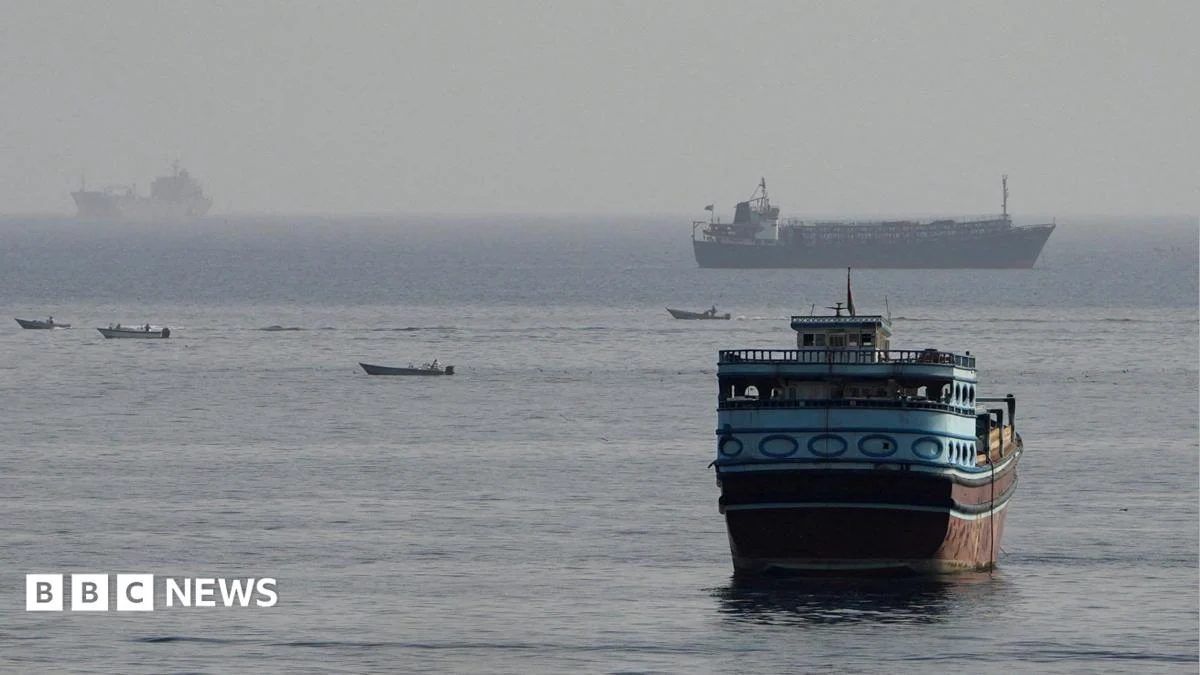
Qatar, alongside Pakistan and Oman, is actively engaged in ongoing mediation efforts aimed at de-escalating tensions between the United States and Iran and fostering a diplomatic resolution, with a strong emphasis on preventing further escalation. While these multilateral diplomatic channels are reportedly in "very progressive stages," Qatar’s Foreign Ministry spokesman, Majed al-Ansari, explicitly stated that no direct talks between Washington and Tehran are currently planned. The immediate focus of the mediators, al-Ansari explained to reporters in Doha, is to achieve a "short-term resolution that would help us reignite the talks" between the two adversaries. This concerted diplomatic push comes amidst a backdrop of conflicting signals and heightened anxieties surrounding the volatile situation in the Persian Gulf, particularly concerning the vital Strait of Hormuz.
Recent days have seen a flurry of pronouncements from both sides, creating a complex and often contradictory narrative. The Iranian foreign ministry, for instance, directly refuted assertions made by then-US President Donald Trump that direct talks were underway. Tehran has consistently maintained that its sole diplomatic engagement concerning maritime security in the region is with Oman, focusing on an agreement to ensure the safe passage of commercial vessels through the Strait of Hormuz. This Omani-led negotiation is reportedly progressing, with US Secretary of State Marco Rubio acknowledging that while progress has been made, a final agreement has yet to be reached. Rubio expressed optimism, telling reporters in Washington that he was "hoping that will happen very shortly." Adding to the sense of imminent developments, US Treasury Secretary Scott Bessent, in an interview with CNBC, suggested that a breakthrough could occur "today or tomorrow."
The urgency of these diplomatic maneuvers is underscored by recent maritime incidents. Overnight, the United Kingdom Maritime Trade Operations (UKMTO) agency reported that a cargo vessel was struck by an "unknown projectile" within the strategically critical Gulf waterway. Further details emerged from the maritime risk management firm Vanguard, indicating that the Liberia-flagged vessel, the Minoan Pioneer, sustained damage to its engine room, and tragically, one sailor was reported missing. This incident serves as a stark reminder of the precarious security situation in the region.
The Strait of Hormuz, a chokepoint through which approximately one-fifth of the world’s oil and gas shipments typically transit, has been effectively rendered a zone of heightened risk and limited access. Since the commencement of the intensified conflict between Iran and the US and Israel in late February, the strait has faced significant disruptions. These disruptions have been attributed to Iranian attacks on vessels and a US-led blockade of Iranian ports, creating a self-perpetuating cycle of reprisal and counter-reprisal. Earlier in the year, in mid-June, a preliminary agreement between the US and Iran aimed at ending their conflict and reopening the strait was announced. However, this accord proved short-lived, unraveling within weeks due to intractable disputes over control of the waterway and a subsequent escalation of strikes and counter-strikes.
Adding another layer of complexity to the unfolding situation, former President Trump had announced on Saturday that he had called off what he described as a "massive attack" planned by US and Israeli forces against Iran. This de-escalation, he stated, was in response to urgent appeals for restraint from Saudi Arabia, the United Arab Emirates, and Qatar. These Gulf nations had emphasized the need to provide mediators with sufficient time to broker a new deal encompassing both the reopening of the Strait of Hormuz and the "denuclearisation of Iran." Trump had further indicated that direct talks with Iran were scheduled to commence on Monday afternoon.
However, this narrative of impending direct engagement was swiftly countered by Iran’s foreign ministry spokesman, Esmail Baqai. Baqai emphatically dismissed the notion of direct negotiations with the United States, asserting that there were no plans to receive or send any delegations. Instead, he reiterated Iran’s focus on "constructive" negotiations with Oman, specifically regarding "a path to ensure the security of shipping passage through the Strait of Hormuz." Baqai also conveyed that any agreement on a new arrangement would be considered "necessary but not sufficient" for the reopening of the strait, implying that Iran might continue to impede vessels as long as the US blockade of Iranian ports remained in place.
In a swift and public response, former President Trump retaliated via a post on Truth Social, labeling Iran’s leadership as "unbelievably duplicitous." He claimed that Iran had initiated the request for a meeting and that further discussions were slated for the "immediate future." This exchange highlights the deep mistrust and communication challenges that persist between the two nations.
Against this backdrop of conflicting public statements and underlying tensions, Qatar’s Foreign Ministry spokesman, Majed al-Ansari, provided a more measured and coordinated perspective during his press conference in Doha on Tuesday. He confirmed that the collaborative efforts involving Qatar, Pakistan, and Oman were "still ongoing with all the parties" and had reached "very progressive stages." Al-Ansari elaborated on the operational aspects of the mediation, stating, "We are co-ordinating very closely with the Omanis to facilitate the talks between both sides, exchanging ideas, drafts between both sides." He reiterated the core objectives of the current diplomatic push: "Our focus right now is on avoiding escalation, reopening the strait and reopening the door for diplomacy between the parties." Crucially, he definitively stated that there was "not anything on the books as far as direct talks."
Reinforcing Qatar’s assessment, a senior Pakistani security official informed the Reuters news agency that "A lot is happening in the background… We are talking to both sides." This corroborates the notion of active, albeit discreet, diplomatic engagement. Despite the ongoing efforts and the assurances from mediating nations, no concrete details regarding the potential agreement between Iran and Oman concerning the Strait of Hormuz have been officially released by the involved countries or the mediators themselves.
However, insights into the potential framework of such an agreement have been reportedly shared by Iranian officials with The New York Times. According to these sources, the proposed arrangement would involve shipping entering the Gulf utilizing a route controlled by Iran, situated close to its coastline. Outbound shipping, conversely, would be directed to a route proximate to Oman’s coast. The reported agreement also includes provisions for a "service fee" to address environmental impact, security, and staffing considerations associated with the revised transit procedures.
Conversely, a US official speaking to The New York Times disputed the Iranian account, asserting that the reported "temporary" routes would not necessitate Iranian approval or involve any tolls. This divergence in interpretation underscores the continued complexities and the potential for misunderstandings in the delicate negotiations. The precise terms and the extent of consensus remain unclear, highlighting the significant challenges that still lie ahead in navigating the path towards a stable and secure maritime environment in the Strait of Hormuz and broader US-Iran relations. The ongoing mediation efforts, while promising a path towards de-escalation, are clearly in a critical and sensitive phase, with the world watching closely for any signs of genuine progress or further setbacks.



 Nakalama John
 Ramos Leo
 Nana Banana