
 Nana Banana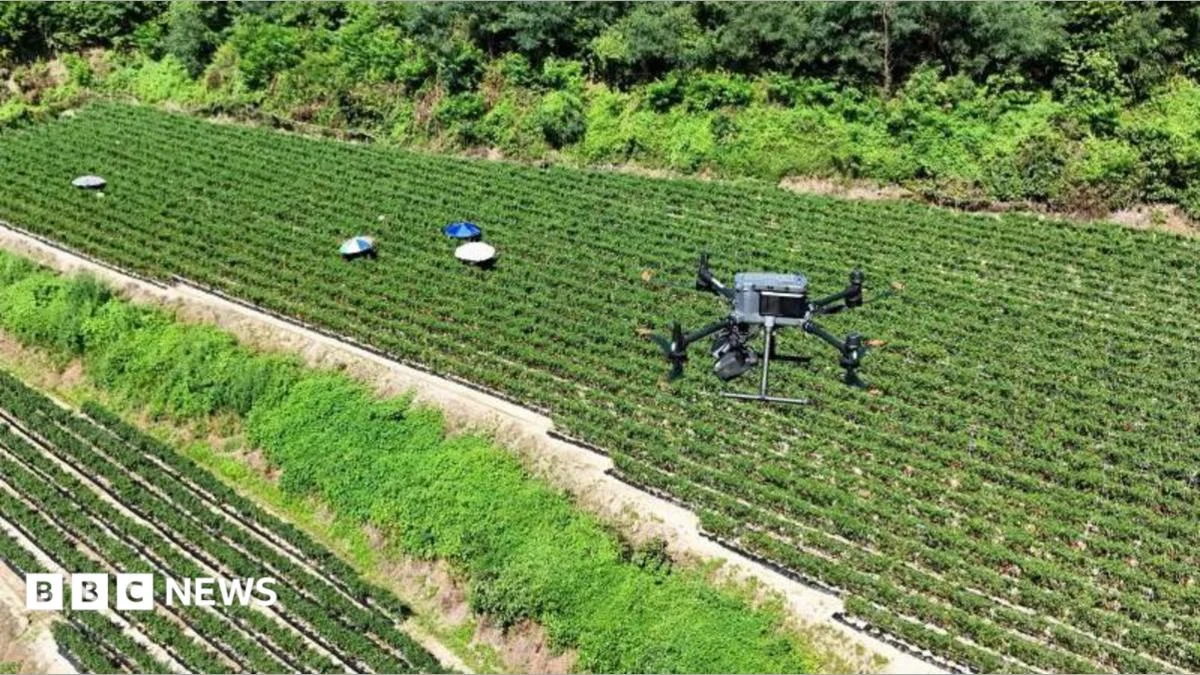
In response to the escalating crisis, President Lee Jae Myung has issued a sweeping directive, ordering all public agencies to mobilize every available resource to combat the extreme heat, which he has starkly characterized as a "national disaster." This declaration underscores the severity of the situation, enabling accelerated allocation of funds, personnel, and equipment to address immediate needs and implement mitigation strategies nationwide. The presidential mandate emphasizes protecting the most vulnerable populations, ensuring continuity of essential services, and preparing for potential long-term impacts of climate change on public health and infrastructure.
The relentless heat has seen temperatures soar to historic highs, with the southern city of Yangsan recording an astonishing 42.5C (108.5F) earlier this week. This mercury reading represents a significant departure from typical summer temperatures and marks one of the highest recorded temperatures in South Korean history, signaling an alarming trend in regional climate patterns. The intense heat blankets the landscape, creating hazardous conditions for anyone exposed to the sun for extended periods, especially those engaged in outdoor labor.
The human toll of this heatwave is becoming increasingly grim. Authorities confirm that at least 23 individuals have tragically succumbed to heat-related illnesses across the country so far this year. Furthermore, nearly 2,500 people have required emergency medical attention for various heat-related conditions, including heatstroke, heat exhaustion, and dehydration, since mid-May. These figures highlight the overwhelming strain on hospitals and emergency rooms, with medical professionals working tirelessly to treat patients, many of whom are elderly, chronically ill, or outdoor workers particularly susceptible to the severe health impacts of extreme heat.
"Heatwave conditions once seen only in foreign news reports have now become our reality," President Lee soberly observed on Thursday, acknowledging the profound shift in the country’s climatic experience. His words resonate with a growing public awareness that extreme weather events, once perceived as distant phenomena, are now directly impacting the lives and livelihoods of South Koreans. This realization fuels an urgent demand for both immediate relief measures and long-term climate adaptation strategies to safeguard the nation against future environmental challenges.
Local governments across the affected regions have initiated various community-level interventions to provide immediate relief. In bustling urban centers and rural communities alike, dedicated trucks have been deployed to high-traffic areas such as parks, local markets, and public bus stops. These mobile distribution units provide chilled bottled water free of charge, offering a crucial lifeline to pedestrians and commuters struggling against the sweltering conditions. These initiatives are vital for preventing dehydration and helping residents maintain their core body temperature in the relentless heat.
In the southern city of Yangsan, which experienced the historic 42.5C peak on Sunday, an innovative approach to urban cooling has been implemented. Fleets of specialized sprinkler trucks have been continuously roaming the streets, spraying fine mists of water onto the sun-baked asphalt and concrete roads. This evaporative cooling technique helps to lower ambient temperatures by reducing the heat absorbed and radiated by urban surfaces, providing a measure of relief to residents and mitigating the urban heat island effect that intensifies heat in densely populated areas.
Meanwhile, in critical agricultural regions such as North Gyeongsang province, where a significant portion of the population consists of elderly farmers who often work long hours outdoors, local authorities have turned to advanced technology for protection. Drones equipped with loudspeakers and thermal imaging cameras are being deployed to monitor and assist these vulnerable workers. These unmanned aerial vehicles hover strategically over fields, broadcasting pre-recorded warnings such as "it’s hot, you need to go inside" to remind farmers to take regular breaks, seek shade, and hydrate adequately. The thermal imaging capabilities allow authorities to identify individuals who may be showing early signs of heat stress, enabling rapid intervention and preventing serious health incidents.
Beyond official government initiatives, innovative citizen-led solutions are also gaining traction. A mobile application named "Geuneulro," meaning "shaded road" in Korean, developed by an undergraduate student, has become immensely popular online, particularly among younger generations. The app ingeniously utilizes algorithms that factor in the sun’s real-time position, along with the precise locations and heights of buildings and trees, to recommend the most shaded walking paths through cityscapes. This practical tool allows pedestrians to navigate urban environments with greater comfort and safety, avoiding direct sun exposure during the hottest parts of the day.
Yu Min-jun, the 23-year-old developer of Geuneulro, shared his personal motivation with BBC Korean, stating, "This summer has become so hot that I feel like meat on the grill." He explained that he conceived the app after personally struggling with his daily commute in the intense heat. Yu reflected on the app’s widespread adoption, noting, "The fact that it has resonated with so many people shows that many are struggling. That makes me worry because they say it will only get hotter in the future. I hope this prompts more to pay attention to climate change." His invention not only provides immediate relief but also serves as a poignant reminder of the escalating climate crisis and the need for collective action.
While climate experts offer a glimmer of hope, suggesting that the extreme heat might ease somewhat starting this upcoming weekend, with daytime highs potentially falling to around 36C, they caution that hot weather conditions are likely to persist. Adding to these concerns, Seoul’s meteorological administration issued a forecast earlier this week indicating a 50% probability that temperatures in September and October could continue trending higher than average. This extended period of elevated temperatures raises worries about potential impacts on autumn harvests, energy consumption, and public health well beyond the typical summer months, underscoring the long-term challenges posed by a warming climate.


 atisusanti
 George Anjay
 Nakalama John

 Ramos Leo