
 Ramos Leo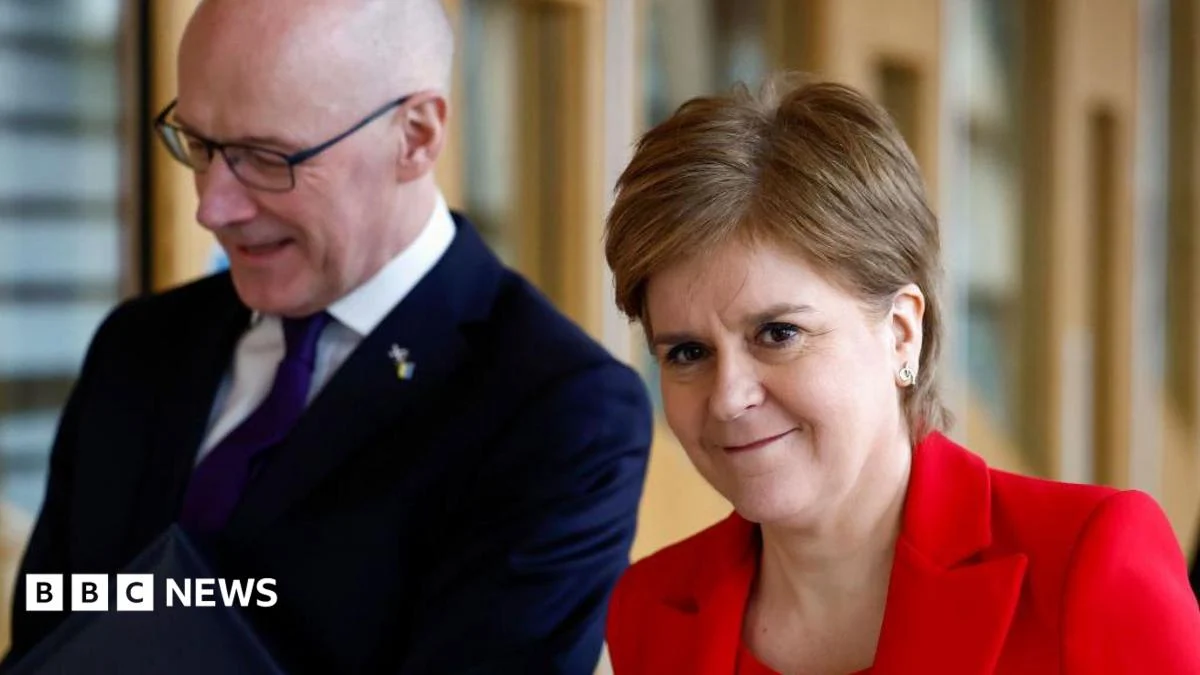
Sturgeon’s central critique was unequivocal: she perceived "a lack of vision or big picture thinking" at the heart of the SNP’s campaign strategy. This observation is particularly potent given her own tenure, which was often characterised by ambitious policy agendas and a clear, if sometimes controversial, roadmap for Scotland’s future. For a party that has dominated Scottish politics for nearly two decades, such a judgment from its most successful leader is more than mere commentary; it’s a direct challenge to the current leadership’s strategic acumen and its ability to inspire a new generation of voters. The implicit comparison drawn is between a perceived stagnation in recent campaigning and the dynamic, forward-looking narratives that propelled the SNP to power and sustained its electoral success for so long.
While acknowledging that the election outcome represented "an outstanding result" for the party after 19 years in government, a period of unprecedented electoral dominance, Sturgeon quickly pivoted to the crucial caveat: "there were lessons to be learned." This phrase, often a diplomatic understatement in political discourse, here carried significant weight. It suggested that beneath the surface of seat tallies and ministerial positions, deeper structural or ideological issues were at play that, if unaddressed, could undermine the party’s long-term viability. The SNP’s electoral strength, particularly in Holyrood’s Additional Member System (AMS), often masks nuances in vote share and voter enthusiasm, and Sturgeon’s comments hint at a deeper reading of these metrics.
One of the most revealing aspects of Sturgeon’s analysis concerned the Scottish Greens. In her view, the SNP was "lucky" the Greens did not stand in more constituencies, an almost startling admission that suggested a significant vulnerability. Had the Greens expanded their electoral footprint, she argued, they "could have eaten into John Swinney’s 58-seat tally." This assessment points to a growing recognition of the Greens not just as a coalition partner, but as a potential electoral competitor capable of siphoning off crucial votes, particularly from the SNP’s left-leaning and environmentally conscious base. The Greens, with their unyielding commitment to environmental and social justice issues, have carved out a distinct identity that resonates strongly with a segment of the electorate that might otherwise gravitate towards the SNP.
Indeed, Sturgeon explicitly credited the Greens with coming closest to "injecting a sense of hope for the future" into the campaign. This endorsement is profound, suggesting that the smaller party, often seen as an auxiliary force, possessed a vigour and clarity of purpose that the SNP itself lacked. This "sense of hope" likely stems from the Greens’ consistent advocacy on issues like climate change and social equality, areas where their positions are often more radical and less compromised by the exigencies of governing a broad-based national party. In what could be seen as a direct challenge to the SNP’s perceived caution, Sturgeon lauded the Greens for their "courage to stand up for what it believed in." This was a thinly veiled suggestion that the SNP, in its pursuit of electoral broadness, might have sacrificed some of its own principled convictions.
The specific issues alluded to by Sturgeon – "trans rights" and "climate change" – underscore this point. These are areas where the Greens have maintained a steadfast and often pioneering stance, sometimes even pushing the SNP into positions it might not have initially embraced. On trans rights, the Greens have been consistent advocates for reform, while the SNP’s journey on this issue has been more fraught, marked by internal dissent and external pressure. Similarly, on climate change, while the SNP has made significant commitments, the Greens have consistently called for more ambitious targets and faster action. Sturgeon’s praise for the Greens on these fronts can be interpreted as a subtle call for the SNP to reaffirm its progressive credentials and not shy away from bold, principled stands, even if they are politically challenging.
Her warning about a "massive electoral blunder" for the SNP to "soften" its left-of-centre environmentalist credentials was therefore not merely theoretical but directly linked to the party’s strategic direction. This admonition was given sharper focus by her specific reference to the party’s "shifting position on oil and gas." The future of North Sea oil and gas is a highly contentious issue in Scotland, balancing the economic realities of a long-standing industry, energy security concerns, and the urgent imperative of climate action. The SNP has wrestled with this dilemma, attempting to chart a course that supports a "just transition" away from fossil fuels while safeguarding jobs and local economies. Sturgeon’s comment indicates a concern that the party might be leaning too heavily towards economic pragmatism at the expense of its environmental principles, risking alienation of its progressive base and losing ground to the Greens. This internal tension between economic interests and environmental ambition is a defining challenge for the SNP, and Sturgeon’s warning suggests it could have significant electoral consequences.
The motives behind Sturgeon’s public intervention have, naturally, become a subject of intense speculation. While some have suggested she’s simply attempting to garner more publicity – a common accusation levelled at former leaders seeking to remain relevant – her track record suggests a more substantive intent. Sturgeon has largely maintained a dignified silence since stepping down, making her decision to speak out now all the more significant. Other interpretations suggest she is genuinely concerned about the party’s trajectory, believing it risks losing its way without a clear ideological compass. It could also be seen as an attempt to shape her legacy, ensuring the party she led for so long continues to embody the progressive values she championed. Or perhaps, more strategically, she might be subtly attempting to influence the direction of the party from the sidelines, positioning herself or her allies in future internal debates. Whatever the primary motive, the effect has been to cast a spotlight on the internal dynamics of the SNP at a critical juncture.
Unsurprisingly, her intervention has "provoked a bit of a backlash among former colleagues." Public criticism from a former leader, especially one as revered as Sturgeon, can be deeply unsettling for a governing party. It can be perceived as undermining the authority of the current leadership, creating an impression of disunity, and providing ammunition for political opponents. For John Swinney, who inherited the formidable task of leading the party after Sturgeon’s departure, such public commentary from his predecessor complicates his efforts to establish his own distinct leadership style and strategic direction. His colleagues might view Sturgeon’s comments as an unhelpful distraction, a breach of an unwritten code of silence for former leaders, or even an attempt to exert undue influence.
Ultimately, Sturgeon’s candid assessment has "raised some questions around the current first minister’s approach going forward." Swinney, a veteran of Scottish politics, now faces the challenge of not only navigating the complex political landscape but also managing internal party expectations and potentially conflicting visions for the SNP’s future. He must decide whether to acknowledge the criticisms, overtly or subtly adjust his strategy, or firmly assert his own leadership and vision. The public nature of Sturgeon’s concerns means that these are not just internal party matters; they are now part of the wider political discourse, forcing Swinney to address them in some form. The SNP, long a bastion of electoral success and perceived unity, now finds itself at a crossroads, with its most iconic figure openly questioning its direction, revealing the underlying tensions that will shape its journey in the years to come.


 George Anjay
 Nakalama John
 atisusanti
 Roy Suryo
 Nana Banana