
 Ramos Leo
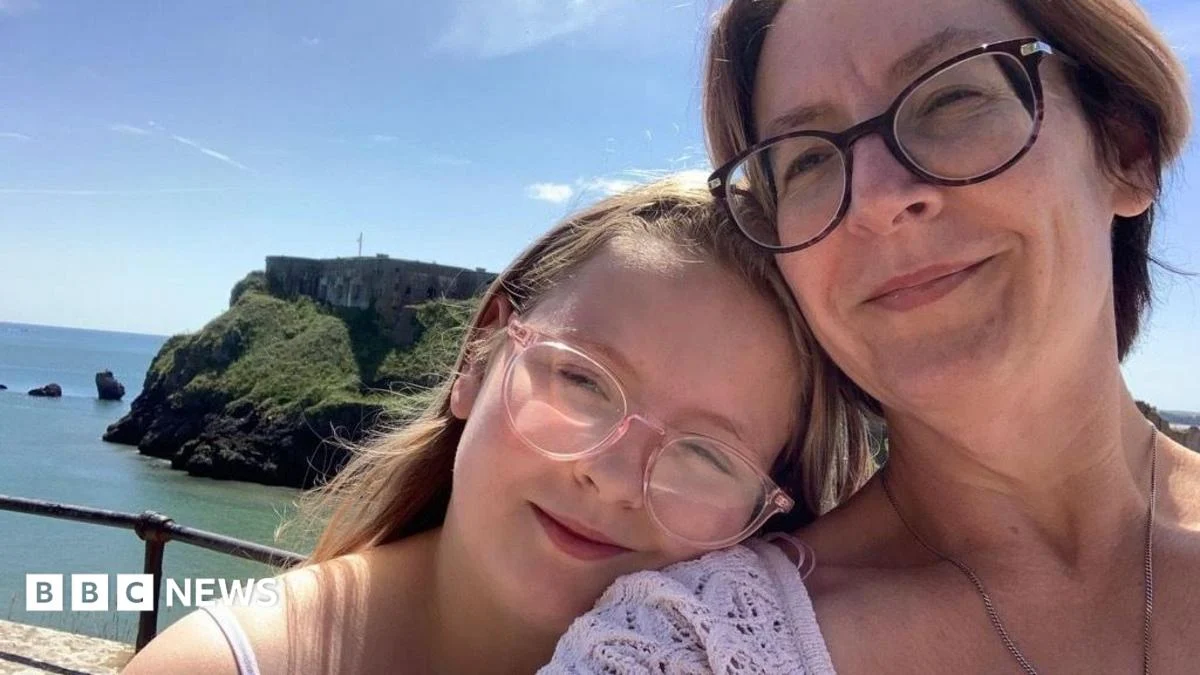
Among the powerful testimonies heard by MPs was that of Ruscoe, a mother from Barry, whose struggle to provide a safe sleeping space for her daughter, Sabrina, resonated deeply. Three years ago, Ruscoe found herself in a desperate situation: Sabrina’s bed, a "second or third hand" item, was "ropey" and increasingly unstable. The fear that it might collapse in the night, especially when Sabrina moved, became a constant source of anxiety for both mother and daughter. In a heartbreaking illustration of the lengths parents go to protect their children, Ruscoe revealed that she had resorted to propping up the precarious bed with books, a makeshift solution that underscored the family’s severe financial strain and the absence of a fundamental safety net.
The difficulty in replacing the bed was compounded by Ruscoe’s financial circumstances. "I was having difficulty finding somewhere where I could afford one, and also not having the greatest credit rating in the world meant that you had to pay like two or three times what you would have done if you’d just gone into a shop and bought it outright," she explained to BBC Wales. This vicious cycle, where past financial difficulties restrict access to affordable credit, traps families in a perpetual state of paying more for less, deepening their poverty. The emotional toll was immense, marked by constant worry and an exhausting mental arithmetic of sacrifice: "Up until that point it was worry and trying to work out, maybe if I didn’t pay this bill maybe I could save some money here, what could I go without, trying to work out which company had the smallest APR on an item that I could afford." This daily battle highlights the often-invisible burden carried by parents striving to maintain a semblance of normalcy and security for their children.
Relief eventually came through the intervention of Action for Children, one of the charities that gave evidence to the inquiry. They provided Sabrina with a new cabin bunk and a mattress, a gesture that made a "massive difference," according to Ruscoe. The impact went far beyond mere practicality; it restored dignity and a sense of belonging. "It meant she had somewhere safe. It’s a little nest now. We decorated it," Ruscoe shared, her voice imbued with gratitude. "Nobody else has slept in it. It’s something that’s new for her." This simple act of receiving a new, safe bed transformed a source of fear into a personal sanctuary, offering Sabrina the comfort and stability every child deserves. Action for Children, which paid for Sabrina’s new bed, provides crucial financial support to thousands of low-income families across Wales each year, including once helping Ruscoe’s family with a gift card for local supermarkets before Christmas, alleviating the intense pressure of the festive season.
Ruscoe’s own health struggles further illuminate the multifaceted nature of poverty. A former job centre worker, she now lives with fibromyalgia, a chronic pain condition that leaves her fatigued and, during flare-ups, completely unable to move. "I don’t work due to my disabilities so it’s a case of benefits, and that’s how we survive," she stated, reflecting on the precariousness of their existence. The situation, far from improving, is worsening year on year. "This year seems to be worse than last year. Every year seems to be getting worse." The rising cost of living has devoured any possibility of saving, a stark contrast to last year when she managed to put money away for Christmas. "Last year I managed to put money away over the course of the year for Christmas and this year I haven’t been able to at all. Everything has gone up." Despite relentless "penny pinching," the reality is grim: "There’s only so much penny pinching you can do on everything and then realise that every penny you’ve pinched is still not covering all your bills and your outgoings." Ruscoe’s poignant warning resonated with the committee: anyone, she cautioned, could find themselves in a similar crisis situation due to ill-health or an unexpected life event, underscoring the fragility of financial stability for many.
Laurie Ryall, Wales director at Action for Children, highlighted systemic issues during her testimony in Westminster. She described the current landscape of support as a "minefield," leaving families overwhelmed and often unaware of their entitlements. "They don’t always know what they’re entitled to or where to go, it’s confusing, it’s a minefield," Ryall told MPs. This lack of a single, accessible point of information and support exacerbates the challenges faced by families already struggling with the daily pressures of poverty. The fragmentation of services means that even when help is available, it can be incredibly difficult for desperate parents to navigate, leading to missed opportunities for vital assistance.
The deepening nature of poverty in Wales was further underscored by Mabli Jones from the Bevan Foundation think tank. While child poverty levels have remained stubbornly consistent for two decades, "what’s been happening under the surface is that poverty has got deeper," Jones explained. She revealed a particularly alarming statistic: "Almost half – 47% – of people in Wales who live in poverty live in what’s classed as very deep poverty – that’s an income that is at or below 40% of the median." For families experiencing this extreme level of deprivation, the implications are severe. "Families who are experiencing that kind of poverty are likely to be going without many of the basics," she elaborated, meaning daily decisions between heating and eating, foregoing essential clothing, educational resources, and any form of social or recreational activity that could offer respite or development for their children. This deep poverty traps generations, impacting health, educational attainment, and future economic prospects.
Both the UK and Welsh governments responded to the inquiry with statements outlining their efforts and priorities. A UK government spokesperson asserted their determination "to turn the tide on poverty," highlighting a "landmark child poverty strategy" which they claim will lift 550,000 children out of poverty in the final year of the current parliament – a figure they describe as the largest reduction since records began. They pointed to the abolition of the two-child limit for Universal Credit and tax credits, which they estimate will benefit around 69,000 children in Wales. Other measures cited included a temporary cut to electricity bills and raising the National Living Wage, which they suggested had contributed to a fall in food bank usage. However, critics often argue that such measures, while welcome, are insufficient to address the root causes of poverty, and that the impact of the two-child limit abolition primarily benefits new claimants or those with significant life changes, rather than comprehensively reversing the policy for all affected families.
The Welsh government, acknowledging the scale of the challenge, stated it had "inherited a damning legacy of stubbornly high levels of child poverty." They outlined their devolved efforts to support families, including the first phase of an offer of 12.5 hours of free childcare for all two-year-olds and the expansion of free school meals, initiatives designed to ease financial burdens and improve children’s developmental opportunities. Crucially, the Welsh government also revealed it is seeking assurance from the UK government regarding a proposed pilot scheme that would provide £10 a week to each child in low-income families. Their concern is that this vital support would not inadvertently affect families’ existing benefit payments, a common fear among recipients that new income streams could lead to a reduction in other essential aid. The Welsh government reiterated its call for the UK government to leverage "all the levers at its disposal, including those on welfare, to make a lasting difference to families in Wales," underscoring the need for coordinated, systemic action from both levels of government to tackle this persistent and deepening crisis. The personal testimonies, alongside the stark statistics, paint a clear picture: child poverty in Wales is not just a policy challenge, but a profound human tragedy demanding urgent and comprehensive solutions.


 George Anjay
 Nakalama John

 atisusanti

 Roy Suryo
 Nana Banana
