
 Ramos Leo
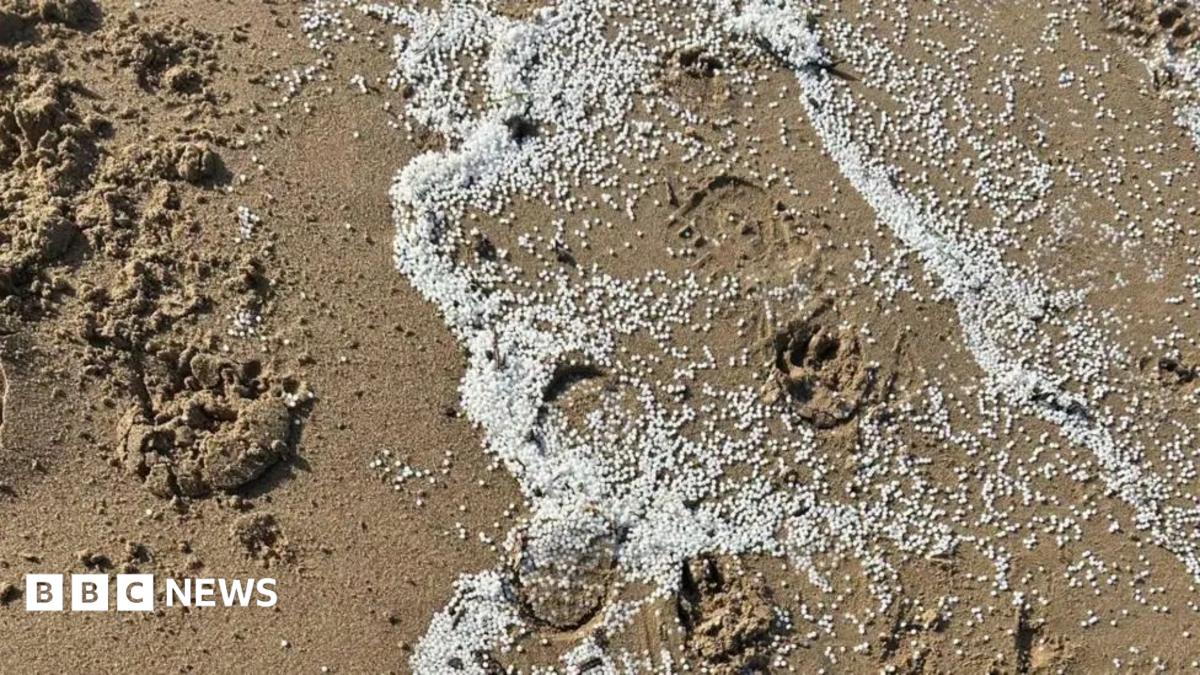
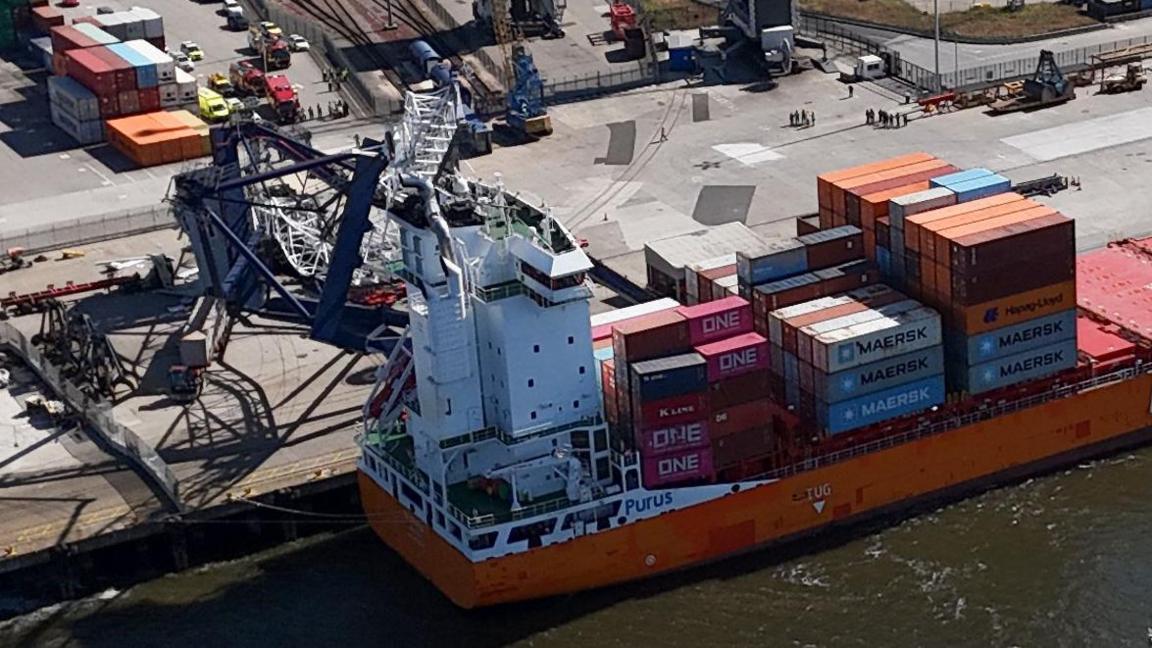
The core of the frustration stems from a collision that occurred on July 19th at the Port of Tyne. The Wind Orca, a 100-metre tall wind turbine installation vessel, collided with the berthed container ship, BG Orange. The impact caused a gantry crane on the quayside to collapse onto the BG Orange, damaging several containers. Among these were containers filled with nurdles – pre-production plastic pellets, approximately the size of a lentil, which serve as the fundamental raw material for manufacturing almost all everyday plastic goods. This devastating breach led to an enormous quantity of these microplastics spilling into the River Tyne and subsequently washing out into the North Sea, contaminating vast stretches of beaches and marine ecosystems.
Campaigner Olly Armstrong, a prominent figure in the local clean-up effort from North Shields in North Tyneside, has been at the forefront of the volunteer response. He passionately asserts, "This should be declared a national emergency." Armstrong believes that the government’s perceived lack of swift, decisive action underscores a deeply entrenched North-South divide in how environmental crises are addressed. He has been orchestrating the volunteer efforts, often surviving on just a few hours of sleep per night, reflecting the sheer scale and intensity of the clean-up challenge. "We’re in an emergency situation," he stressed, appealing directly to political leaders.
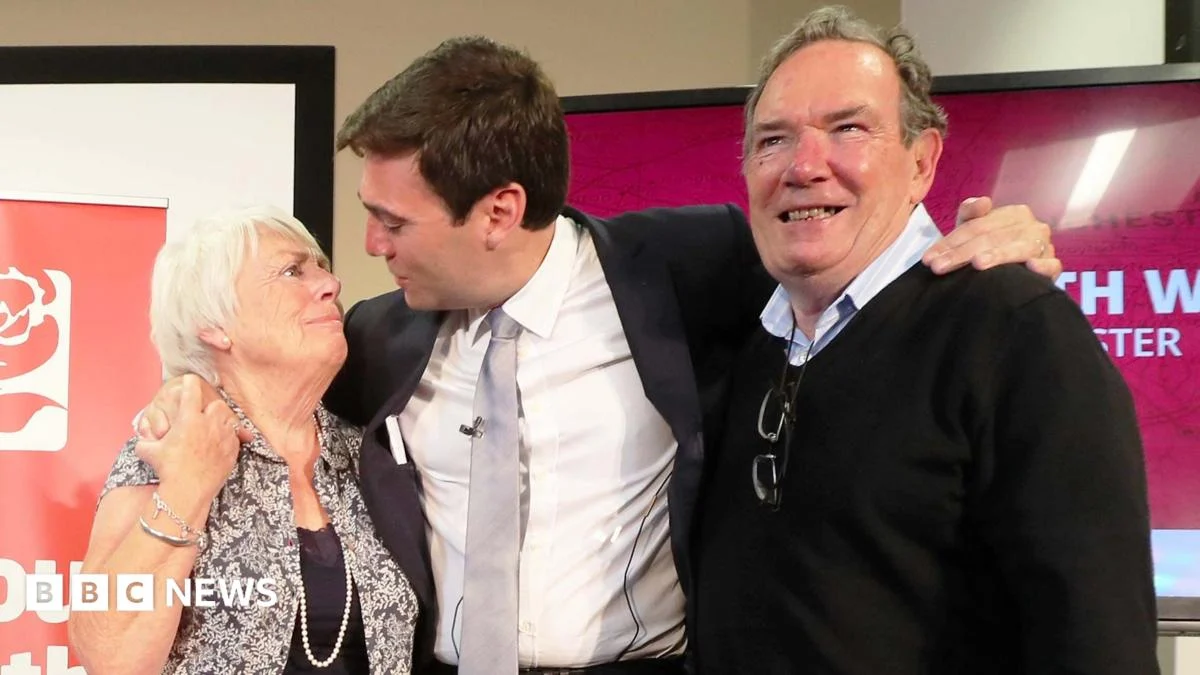
Armstrong specifically challenged Andy Burnham, a prominent Labour politician who has often declared his ambition to be a "prime minister for the North." "The North often feels it’s ignored and I know now is the time to prove the North matters," Armstrong stated. "Andy Burnham has declared he is the prime minister of the North as well as London. Now is the time to prove it." This sentiment echoes a wider feeling among residents and volunteers that the region is being overlooked during a critical environmental incident.
The ecological fallout from the spill is already evident and deeply concerning. Videos circulated online depict birds attempting to consume the plastic nurdles, mistaking them for food, while other harrowing footage shows dead birds floating amidst dense concentrations of the pellets. These nurdles pose a severe long-term threat to marine life, as they can absorb toxins from seawater and enter the food chain, eventually impacting human health. Their minute size makes them incredibly difficult, if not impossible, to fully remove from the environment once dispersed, ensuring a lasting legacy of pollution.
Labour councillor Josephine Mudzingwa, who represents the severely impacted North Shields ward, articulated the immediate needs of the clean-up operation. "We need money, boats and people on the ground," she declared, emphasizing the desperate requirement for central government intervention. Mudzingwa highlighted the relentless nature of the pollution, stating, "Every day we get loads of nurdles everywhere. I come here at 06:00 in the morning and leave at 19:00 at night." Her direct plea to Andy Burnham mirrored Armstrong’s: "Please, Andy Burnham, you promised you are going to be looking north. We need you for this emergency."
Another dedicated volunteer, Dave Shaw, also from North Shields, echoed the sentiment of regional neglect. "If something like this happened on the River Thames they’d have been on it within hours," he commented, drawing a stark comparison. "Up here they’re just not bothered at all. This should be declared a national disaster, because that’s exactly what it is." The frustration among volunteers is palpable, fueled by the immense personal effort they are expending without what they perceive as adequate official support.
North East Labour Mayor Kim McGuinness has been a vocal critic of the government’s handling, accusing the Environment Agency of being "absent" and stating unequivocally that "the government haven’t done enough." McGuinness confirmed she spoke directly to Environment Secretary Angela Eagle, demanding greater clean-up support, but received only a vague assurance that Eagle "would look at it." The Mayor expressed her profound dissatisfaction with the fragmented response, stating, "We’ve been in touch with government throughout this, with agencies throughout this, trying to convene people to pull them together. There has been a direct lack of action from the centre." She described herself as "completely outraged" by the spill and the slow pace of the official clean-up, lamenting her own limited powers despite her mayoral position: "I don’t have, as unbelievable as it is as mayor of this region, any power to fix this problem, but it doesn’t mean I haven’t shoved my nose in."
In response to mounting pressure, a government spokesperson stated that the Environment Agency has been "on this from the start, supporting partners, and is now stepping up its work on the ground." They also confirmed that the Environment Secretary had spoken to Mayor Kim McGuinness "to discuss the response and next steps." The Environment Agency, responding on behalf of the Department for Environment, Food and Rural Affairs (Defra), elaborated that it has been "actively involved from the outset" and is "working closely" with local authorities, the Port of Tyne, and other groups. Their statement further detailed actions taken, including "increased monitoring along the affected coastline, including deploying our coastal patrol vessels and drones to identify where nurdles have accumulated so response teams can target their efforts where they are needed most." They also pledged to support local authorities in recovering costs.
However, these official statements have done little to quell the indignation of local figures and volunteers who feel the response has been reactive rather than proactive. The timing of Marine Minister Stephen Morgan’s intervention, chairing a meeting with local authorities and agencies only after significant public outcry, suggests a belated acknowledgment of the gravity of the situation. Morgan stated his aim was to "better understand the challenges they face and help to ensure cleanup happens as quickly and effectively as possible," adding that "People in the North East rightly expect a strong, coordinated response to this incident."
The Port of Tyne, for its part, has denied acting slowly in its response to the incident. However, the exact details of their immediate actions and long-term mitigation strategies remain under scrutiny.
Beyond the immediate clean-up, the incident has sparked calls for systemic change. Olly Armstrong highlighted the need for the government to "act quickly to put legislation in place so this doesn’t happen again." The transportation of plastic pellets, often in standard shipping containers, is a global issue. Environmental groups have long advocated for stricter regulations, including better packaging, dedicated transport methods, and accountability measures for spills. The River Tyne incident serves as a stark reminder of the vulnerability of coastal environments to industrial accidents and the far-reaching consequences of plastic pollution.
The long-term environmental impact of nurdles is multifaceted. They do not biodegrade, meaning they persist in the environment for hundreds, if not thousands, of years. As they break down into even smaller microplastics, they become more pervasive and harder to detect, contaminating sediment, water columns, and marine organisms at every trophic level. The sheer scale of this spill means that the North East coastline faces a prolonged period of environmental recovery, with potential economic repercussions for local fishing industries and tourism. The current challenge for volunteers is akin to finding individual grains of rice in a vast sandy beach, a task that underscores the inadequacy of current preventative measures and the urgent need for robust governmental and industrial action to prevent such "national disasters" from recurring. The question of accountability and equitable treatment for all regions of the UK in times of crisis remains central to the ongoing debate.

 George Anjay
 Nakalama John
 atisusanti
 Roy Suryo
 Nana Banana