
 Ramos Leo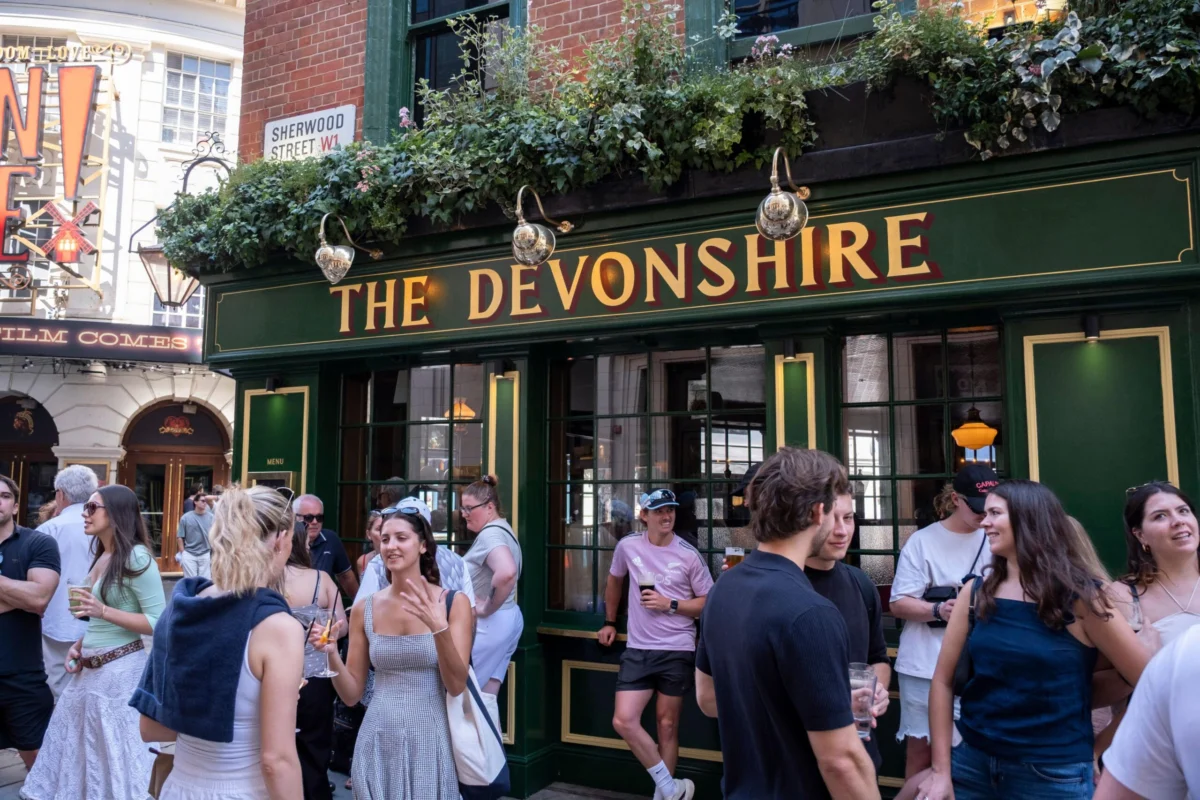
A spirited debate has erupted in the heart of London’s West End over the future of a cherished British pub tradition: standing up while enjoying a drink. Claims that so-called "vertical drinking" is under threat have sparked a fierce reaction from patrons, politicians, and local businesses alike, forcing the local authority to clarify its position amidst a brewing storm. The controversy highlights the delicate balance between preserving London’s vibrant nightlife, supporting its vital hospitality industry, and addressing the concerns of its residents.
What is Vertical Drinking? A Quintessential British Tradition
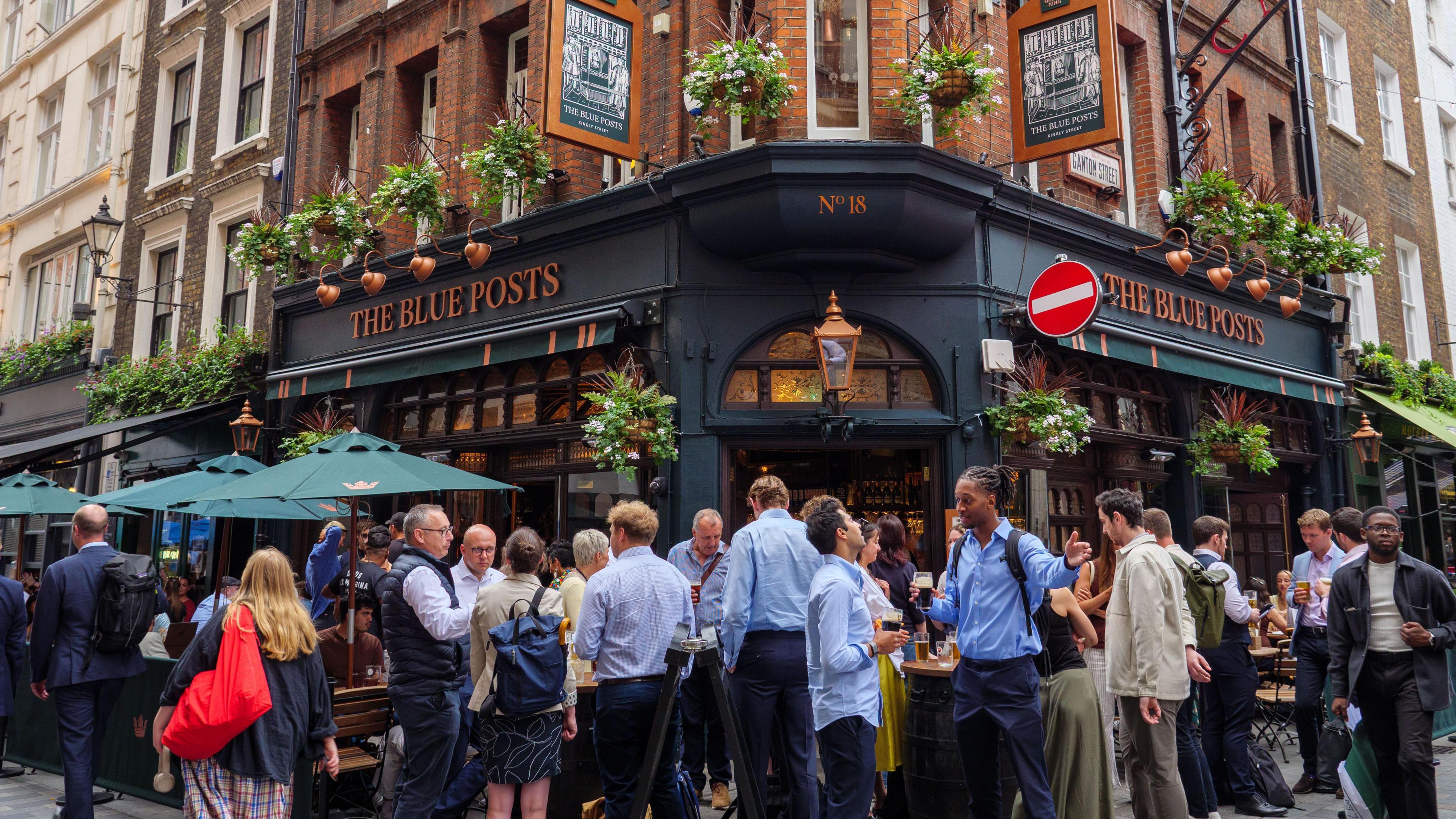
At its simplest, vertical drinking refers to the act of consuming alcoholic beverages while standing, often at a bar or, famously, spilling out onto the pavement outside a bustling pub. This practice is deeply ingrained in British pub culture, particularly in dense urban areas where space is at a premium and social interaction often occurs around the bar rather than at tables. In Westminster, the borough encompassing the West End, this is a daily reality. The area boasts an unparalleled concentration of licensed venues, with approximately 500 pubs, bars, and wine bars, alongside some 1,750 cafes and restaurants, making it the UK’s epicentre for hospitality and entertainment. The ability to stand and socialise, pint in hand, is seen by many as a defining characteristic of a night out in London, a casual and convivial atmosphere that sets it apart.
The Spark for Discussion: A New Licensing Policy
The current discussion stems from draft plans put forth by Westminster City Council (WCC) regarding its Statement of Licensing Policy. These proposed changes, currently under consultation, aim to shape the future of licensing in one of the world’s busiest entertainment districts. While the council insists its intentions have been misrepresented, the language within the draft policy ignited fears that the casual, stand-up drinking culture of the West End was facing an existential threat. The policy’s focus on managing "excessive drunkenness" and encouraging more seated provision has been interpreted by many as a direct challenge to the traditional pub experience.
What is Being Proposed? A Shift Towards Seated Operations
The core of the WCC’s draft policy outlines a desire to "discourage excessive drunkenness and encourage the provision of more seating in premises that serve alcohol for people to sit and enjoy a drink and order food by table service in place of open bar space that caters for high volume vertical drinking." This suggests a preference for a more controlled, seated environment, moving away from the often-packed, standing-room-only atmosphere characteristic of many West End pubs, particularly in areas like Soho.
A key component of the proposed changes is a policy to refuse new pub, bar, fast food, or music venue licences within a specific geographic area known as the "West End cumulative impact zone." This zone, roughly bounded by Oxford Street to the north and Trafalgar Square to the south, and encompassing the iconic Leicester Square and Soho districts, is already saturated with licensed premises. Cumulative impact policies are typically implemented in areas where the sheer number and density of venues are deemed to have a negative effect on the local community, contributing to issues such as crime, disorder, and public nuisance.

The draft document explicitly states, "The introduction of measures to reduce the extent of, or to remove opportunities for, vertical drinking could address the underlying reasons for the policy." This sentence, in particular, fuelled the narrative of an impending "ban." Further guidance suggests that applicants for new licences should aim for "a predominantly seated operation with fixed seating," advocating for waiter service to replace or reduce the need for customers to approach a bar while standing, and imposing "restrictions on customers consuming alcohol while standing." For many, these clauses paint a picture of a sanitised, less spontaneous pub experience, far removed from the lively, bustling venues they know and love.
Westminster Council’s "Myth-Busting" Response
Facing a significant backlash, Westminster City Council moved swiftly to clarify its position, branding reports of a ban on standing while drinking as "utterly ludicrous." On a Friday afternoon, the council published a dedicated "myth-busting" response, aiming to quell the widespread concern.
Tim Barnes, WCC deputy leader and cabinet member for growth and planning, emphatically stated: "There is no plan, and never has been, to ban drinking while standing up in a Westminster pub. Suggesting otherwise is a wilful misreading of the policy proposals with clauses taken out of context." He argued that the guidance is not about restricting patrons’ enjoyment but about responsible management. "We want people to go out in the West End and have a good time," Barnes explained. "Our guidance is simply about encouraging venues to manage their customers so people don’t pack on to pavements or excessive drinking doesn’t disturb others passing by."
The council’s clarification suggests that the policy aims to mitigate the negative externalities associated with high-volume, often outdoor, vertical drinking – such as excessive noise, litter, public safety concerns, and anti-social behaviour – rather than outlawing the act itself. They seem to be targeting the impact of vertical drinking rather than the practice. However, the precise distinction between "discouraging opportunities" and an outright "ban" remains a point of contention for many who fear a slippery slope.
A Political Bar Brawl: National Figures Weigh In
The proposed changes and the subsequent public outcry quickly transcended local politics, drawing comments from national figures. A spokesperson for the government voiced strong opposition, stating: "Busy pubs full of people talking to each other is not a public nuisance, it is British life and it is thousands of jobs." The statement underscored the economic and cultural significance of the West End’s nightlife, cautioning against measures that could stifle its vibrancy. "Soho did not become world famous by taking last orders early, switching the lights off at 10 o’clock," the spokesperson added, alluding to concerns that the proposals could inadvertently harm London’s global reputation as a dynamic entertainment capital.
Echoing this sentiment, the Labour Mayor of London, Sadiq Khan, publicly criticised the perceived restrictiveness of the proposals. He famously tweeted that you "can’t run a world-famous nightlife district with a village-hall mindset," a pointed jab at the council’s approach, implying it lacked an understanding of what makes London’s West End unique and attractive to millions. The Mayor’s intervention highlights the broader strategic importance of maintaining London’s appeal as a global city, where diverse and lively cultural offerings are key.
Even within the Conservative Party, the political affiliation of Westminster City Council, there was a call for moderation. A party spokesperson emphasised the need for WCC to "strike a balance" between the demands of the night-time economy and the legitimate concerns of residents. This acknowledgment underscores the inherent tension at the heart of the debate: how to allow a vibrant, economically crucial sector to thrive while ensuring a good quality of life for those who live amidst the revelry.
Local Voices: Business and Residents Divided
The proposed policy has naturally elicited strong reactions from those most directly affected: local businesses and residents.
The Soho Business Alliance, representing a significant portion of the area’s commercial interests, expressed deep concern. A spokesperson accused WCC of actively trying to undermine the late-night economy, stating they "don’t want the late-night economy" and are "trying to reduce the capacities in these venues." They argued that vertical drinking is an established part of Soho’s character: "It’s been like that for years where people are standing and drinking, it’s not causing crime, it’s not causing issues." The alliance sees the council’s move as an attempt to "change the nature of Soho" and "sanitise the area," stripping away its unique, bohemian, and spontaneous charm that draws visitors from around the world. For many businesses, particularly traditional pubs with limited seating, a forced shift to predominantly seated operations could drastically reduce their capacity and, consequently, their profitability, potentially leading to closures and job losses.
Conversely, the Soho Society, a prominent community organisation representing local residents, has consistently advocated for stricter controls. They have previously stated that "alcohol-related harm, including risks to women and vulnerable people at night, must be considered" in licensing decisions. The society has voiced ongoing concern about "the unmanaged cumulative impact of a high concentration of licensed premises in a small area on Soho’s whole ecosystem." Their grievances include increased crime rates, persistent anti-social behaviour (such as public urination, littering, and vandalism), public safety concerns arising from overcrowded streets, and significant public nuisance from excessive noise and late-night disturbances. For residents, the lively atmosphere often translates into a diminished quality of life, making the area less hospitable for those who call it home. They argue that the sheer volume of people and the associated issues have reached an unsustainable level, necessitating intervention.
Conclusion: A Cultural Clash in a Global City
The row over standing up while drinking in central London is more than just a debate about pub etiquette; it’s a microcosm of the complex challenges faced by global cities trying to balance economic vitality with residential harmony. On one side are the defenders of a cherished cultural tradition and a vital economic engine, arguing for the preservation of Soho’s unique, free-spirited character and the jobs it creates. On the other are residents and authorities seeking to mitigate the negative impacts of an increasingly dense and boisterous nightlife, striving for a safer, cleaner, and more peaceful environment.
Westminster City Council’s "myth-busting" attempts to clarify its intentions, framing the policy as one of management rather than prohibition. However, the specific language of the draft proposals has clearly unsettled many, creating a perception of an unwelcome shift towards a more regulated, less spontaneous West End. As the consultation period continues, the council faces the daunting task of drafting a licensing policy that respects London’s iconic cultural heritage, supports its thriving night-time economy, and genuinely addresses the concerns of its residents, all without inadvertently sanitising the very essence of what makes Soho so special. The outcome will undoubtedly shape the future of one of the world’s most famous entertainment districts for years to come.

 George Anjay
 Nakalama John
 atisusanti
 Roy Suryo
 Nana Banana