Nana Banana
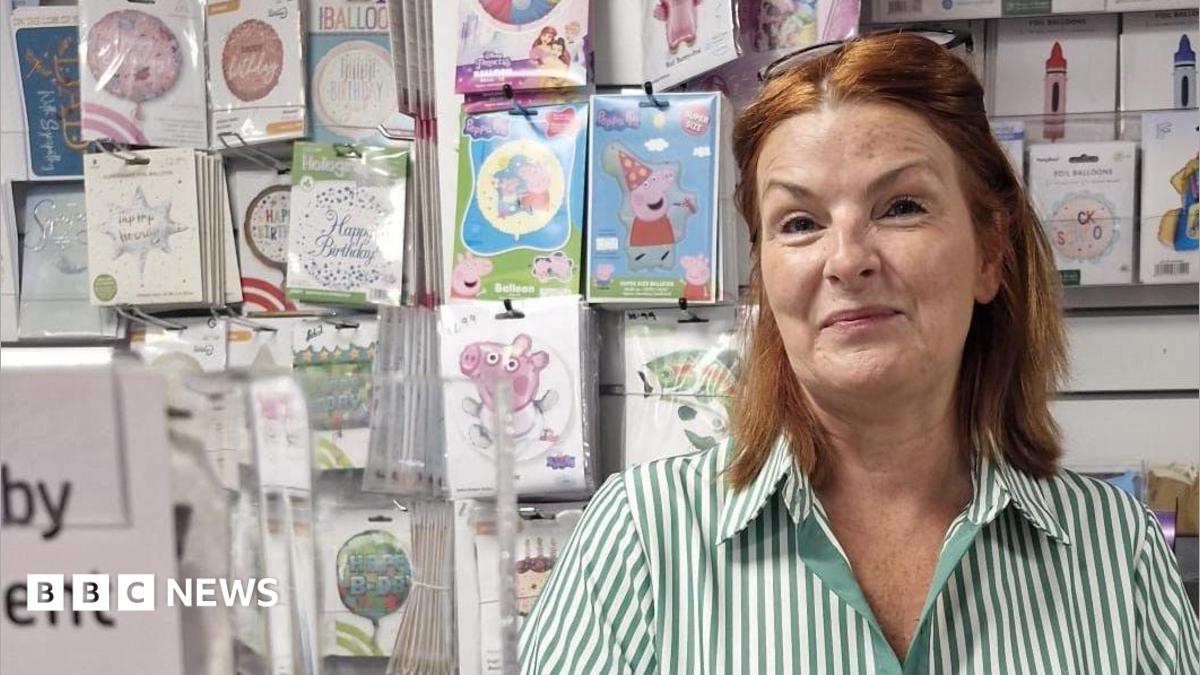
In the heart of south Liverpool, Karen Smith, the dedicated owner of Booker Avenue Post Office, vividly describes the chaotic scene. "It has exploded and we can’t keep up with the demand," Smith told BBC North West Tonight, recounting how her small establishment has been "inundated" by a seemingly endless stream of eclipse enthusiasts. Her shelves, once stocked with hundreds of pairs of specialist glasses, are now bare, a testament to the fervent public interest in what is billed as the most dramatic partial solar eclipse visible from the UK this century.
The phenomenon, set to peak in northwest England at approximately 19:10 BST, promises a breathtaking spectacle as the Moon obscures a significant portion of the Sun’s disc. However, the beauty of this astronomical alignment comes with a critical warning: direct observation of the Sun, even when partially eclipsed, can cause severe and permanent eye damage, including solar retinopathy. Experts universally advise against looking at the Sun without certified protective filters, cautioning that regular sunglasses offer absolutely no protection. Indirect viewing methods, such as a pinhole camera, are recommended for those unable to secure proper eclipse glasses.
The scramble for these vital glasses has been intensified by a perfect storm of factors. The rarity of such a significant eclipse visible across the UK, coupled with widespread media coverage and social media buzz, ignited public interest well beyond typical astronomical circles. However, supply chains appear to have been caught off guard. Online retailers quickly ran out of stock, with many unable to guarantee delivery in time for Wednesday evening. Similarly, high street stores reported an "unprecedented volume" of orders, leading to widespread stock shortages in the days leading up to the event.
Karen Smith’s post office became an unexpected hub for eclipse preparations, thanks to a unique local partnership. It was one of her long-standing customers, Jim – a retired scientist with a passion for astronomy and community engagement – who had supplied the special eclipse glasses. Jim, an amateur astronomer and former physics educator, anticipated the local interest and sourced certified protective eyewear, intending to make safe viewing accessible to his community. Little did he or Karen know the extent of the demand they would face.
"They’ve been flying off the shelf," Smith explained, her voice conveying a mix of exhaustion and exhilaration. The demand was so intense that her staff found themselves staying late, working tirelessly to fulfil orders right up to the wire. The last-minute surge was "crazy," she added, recalling repeated frantic calls to Jim, requesting more supplies. "They’ve not been able to make them up quick enough," she said, highlighting the challenge of a sudden, unforeseen need for a niche product. The sheer volume pushed their local supply network to its absolute limit, despite Jim’s best efforts.
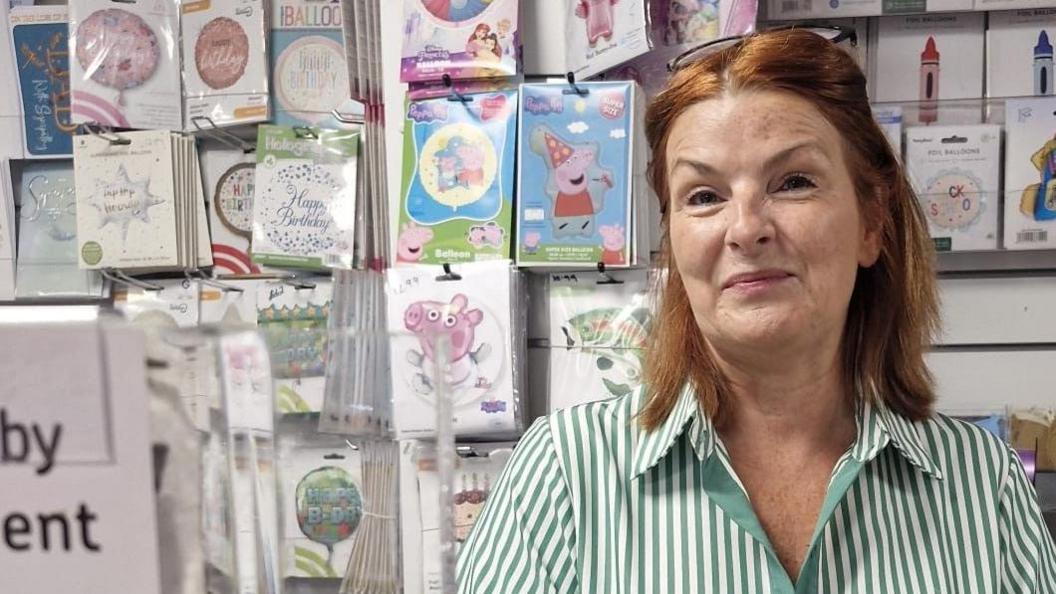
Smith expressed genuine regret for those who missed out. "Apologies for anybody that hasn’t been able to get them," she offered, empathizing with the disappointment of those eager to witness the event safely. Yet, amidst the rush and the shortages, there was a profound sense of satisfaction. Jim, the retired scientist, was "delighted" by the overwhelming interest, particularly from the younger generation. Karen recounted numerous local children sharing their plans to gather on the highest hill in Sefton Park, glasses in hand, excitedly discussing the celestial show. "They’ve all been talking to me about it, so let’s hope they get a great view and we have a clear evening to see it," she mused, reflecting on the shared community experience and the budding scientific curiosity the event ignited.
The scene at Booker Avenue Post Office was mirrored, albeit on a larger scale, at other retailers. In Formby, Merseyside, hundreds of people formed an extraordinary queue outside Specsavers. A staff member, who wished to remain anonymous, described the incredible sight: the queue "went all down the village," stretching far beyond the storefront as hopeful customers waited for a crucial delivery of 350 pairs of eclipse glasses. The anticipation was palpable, a testament to the public’s desire to safely participate in this rare astronomical event.
When the doors opened at 10:30 BST, staff began selling the glasses, implementing a strict limit of three pairs per customer to ensure as many people as possible had a chance. Despite these measures, the entire stock of 350 glasses was gone in a mere 45 minutes. By 11:15, a sign was hastily taped to the door: "Solar eclipse glasses sold out. Apologies for any inconvenience. Specsavers Formby." The speed of the sell-out underscored the immense, almost overwhelming, public demand. "We’ve never seen queues like it, and the phones haven’t stopped ringing for the last two days," the Specsavers staff member exclaimed, illustrating the unprecedented nature of the demand.

The fascination with solar eclipses is deeply ingrained in human history, often inspiring awe and wonder. For many in the UK, this partial eclipse brings back memories of the total solar eclipse of 1999, which captivated millions across parts of Cornwall and Devon. While Wednesday’s event will not be a total eclipse for the UK, the significant obscuration of the Sun promises a memorable spectacle. The next total solar eclipse visible from the UK is not until 2090, making even a dramatic partial event like this a rare opportunity for many.
For those still hoping to view the eclipse safely without certified glasses, indirect viewing remains the only safe option. A simple pinhole projector can be easily constructed using two pieces of card: pierce a small, clean hole in one card, then hold it up to the sun, allowing the sunlight to pass through and project an image onto the second card held a foot or so away. Crucially, never look directly at the Sun through the pinhole. Another method involves using welder’s glass of shade 14 or higher, though this is less common for the general public. It is imperative to avoid looking through cameras, binoculars, or telescopes without proper solar filters specifically designed for such instruments, as these can concentrate sunlight and cause immediate, irreversible damage.
The saga of the eclipse glasses highlights not only the enduring human fascination with the cosmos but also the challenges of predicting and supplying for sudden, mass public interest in scientific events. From local postmistresses like Karen Smith and retired scientists like Jim, to national retailers grappling with unprecedented queues, the partial solar eclipse of Wednesday evening has united communities in a shared moment of astronomical wonder, even if a few had to miss out on the perfect view. As the sky darkens and the moon takes its bite out of the sun, millions across the UK will undoubtedly be gazing skyward, safely or indirectly, partaking in a collective experience that transcends the everyday.



 George Anjay
 Nakalama John
 Ramos Leo