Nakalama John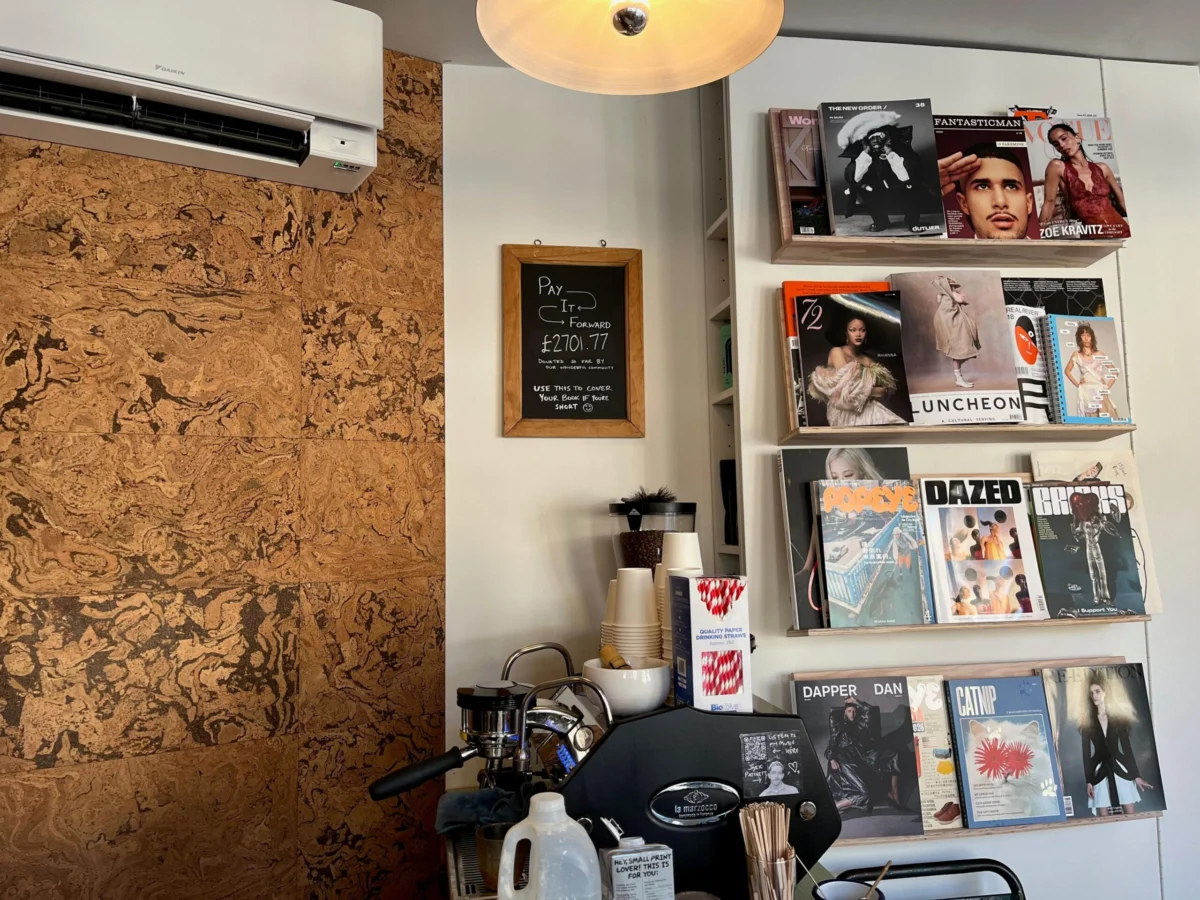
A subtle yet profound movement of community support is quietly gaining traction across London, offering a lifeline in the form of "pay-it-forward" schemes. These initiatives, where individuals donate into a collective fund for others to claim, are designed to ease the burden of small, everyday costs like a coffee or a book, which have become increasingly significant amidst the relentless rise in the cost of living. Yet, despite their potential to offer crucial relief and foster community spirit, a critical question remains: are these schemes being fully utilized, and do those who could benefit most feel comfortable enough to access them?
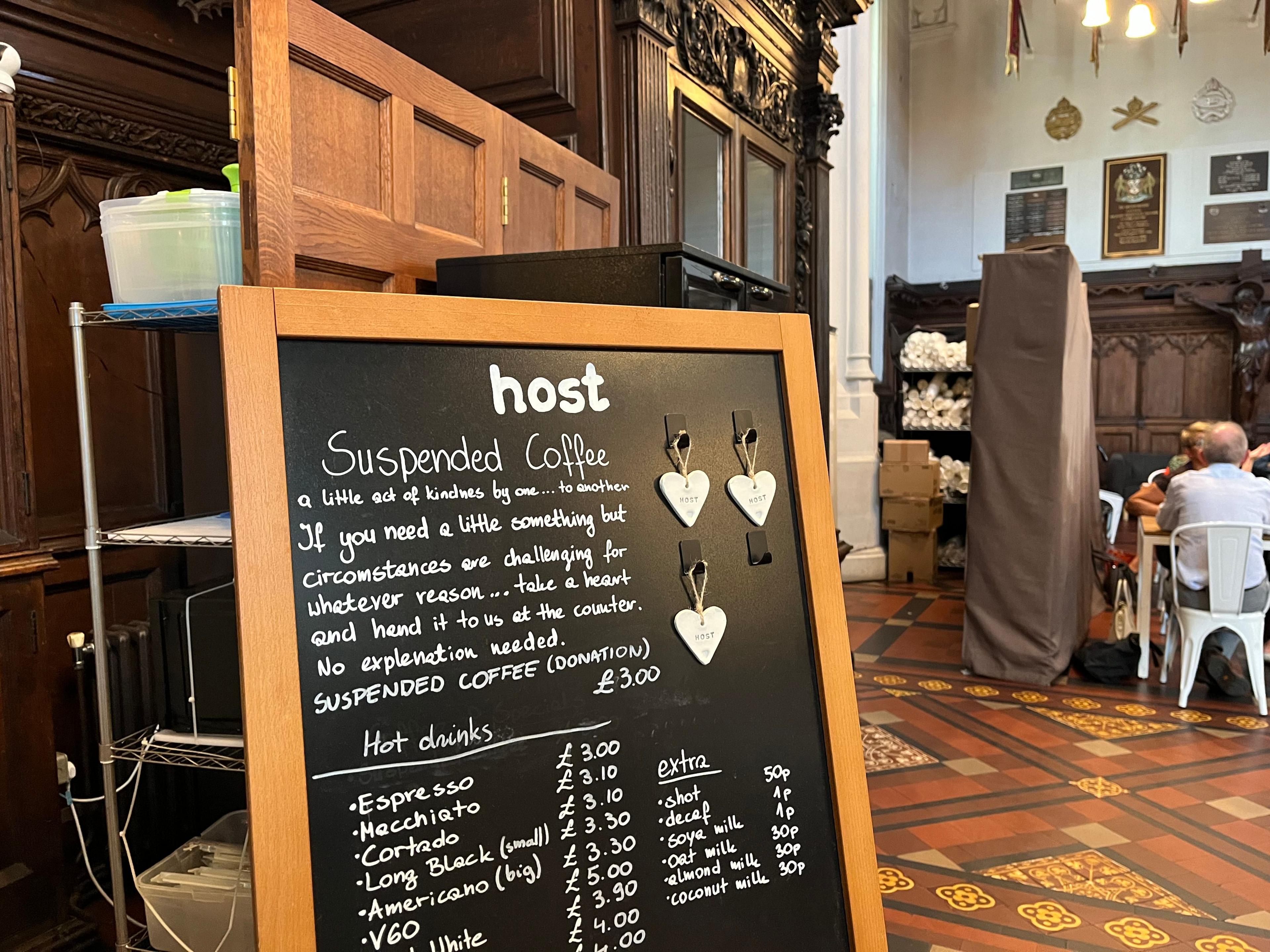
One might encounter a discreet sign, like the one that reads: "If you need a little something, but circumstances are challenging for whatever reason, take a heart and hand it to us at the counter, no explanation needed." This simple invitation encapsulates the ethos of these schemes: unconditional generosity and a commitment to preserving dignity. In a city where economic disparities are stark and the squeeze on household budgets is palpable, such acts of kindness could, theoretically, provide invaluable respite. But the reality is often more complex, revealing deep-seated psychological barriers that prevent many from seeking the help they need.
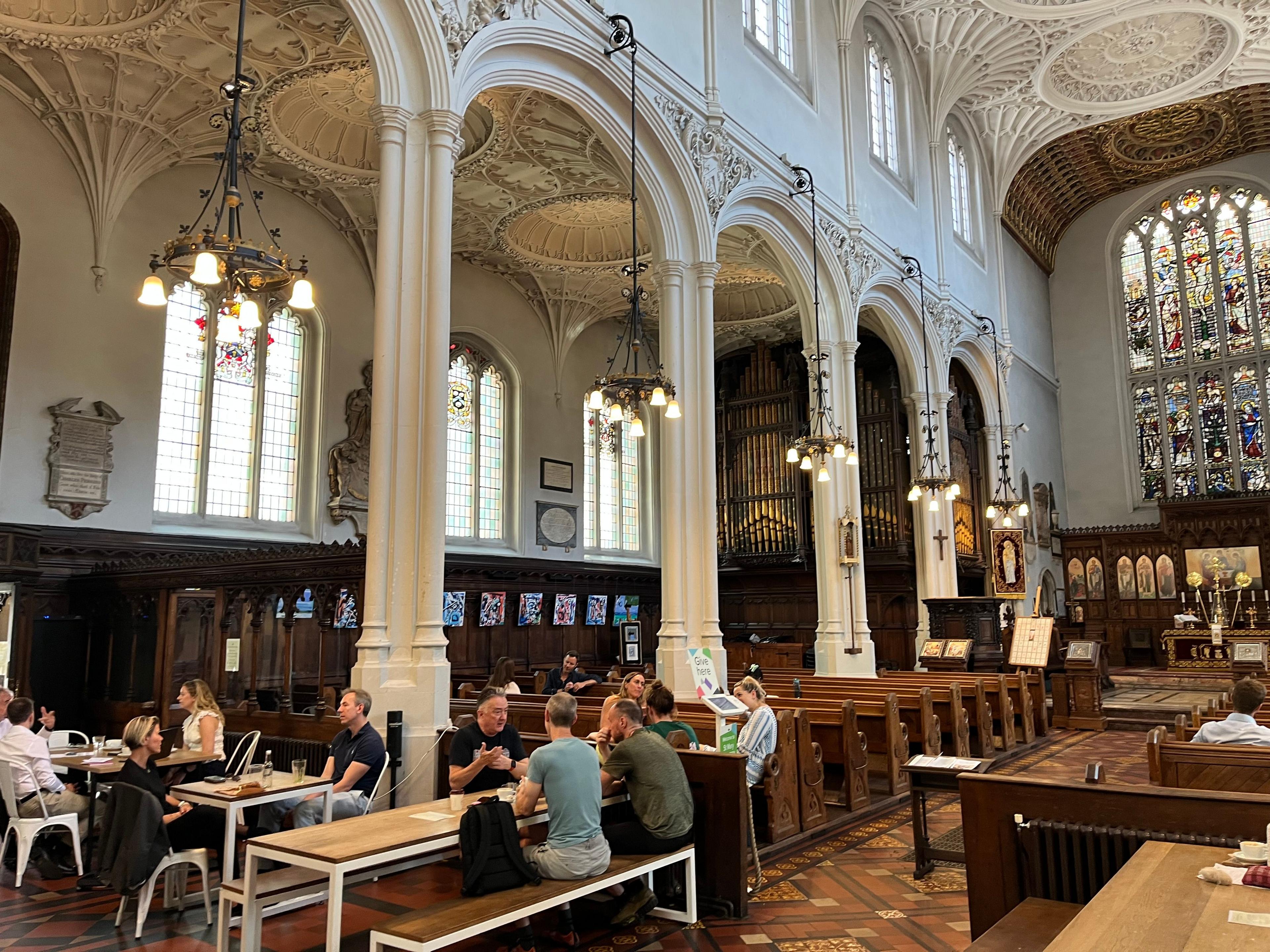
Nestled within the historic St Mary Aldermary church in the bustling heart of the City of London, Host Cafe operates one such "suspended coffee" scheme. Barbara Gornicka, the cafe manager, explains its flexible nature: "It can be used by anyone who feels like they need the cost of their drink covered that day." To mitigate potential embarrassment, particularly during busy periods, patrons are encouraged to simply take one of the polymer clay hearts displayed on the drinks board. "This is to keep people from maybe being embarrassed, especially if there’s a larger queue. Not everyone can just outright say: ‘Can I have a free drink?’" Gornicka elaborates, highlighting the importance of discretion in fostering access.
For individuals like Paul Atherton, a regular at Host Cafe, such schemes are not merely a convenience but a "life-changing" necessity. Atherton, who was awarded the Freedom of the City of London earlier this year, has navigated homelessness for 17 years. A filmmaker, author, and social campaigner, his daily existence is a testament to resilience in the face of immense financial strain. After allocating £160 a month for storage, he lives on a meagre £4 a day. "I wouldn’t have survived in this city if I didn’t have the ability to sit, use Wi-Fi, and grab a coffee and feel like a part of society," he asserts. For Atherton, a single cup of coffee represents a significant portion of his daily allowance, making the suspended coffee scheme a vital link to societal inclusion and a moment of normalcy. "If these things didn’t exist, you’d be outside of society. A cup of coffee on my current benefits is more than what I get on my daily allowance."
While deeply impactful for individuals, the broader economic significance of these schemes is viewed with a degree of pragmatism by experts. Prof. Joan Costa-i-Font, an economist at the London School of Economics, describes them as a "drop in the ocean" in the grand scheme of structural poverty. "It’s better than no coffee," he concedes, "But it’s not really solving the structural problem. It’s a sign of kindness. I would say all these are signals of kindness." This perspective underscores the dual nature of pay-it-forward initiatives: they are powerful acts of local benevolence but do not, and cannot, replace systemic solutions to widespread economic hardship. Gornicka, too, acknowledges the challenge of advertising the scheme effectively, expressing a desire for it to be utilized more widely and by a more diverse group of people, moving beyond only those in dire need. "My goal eventually for the scheme is not to only exist for people who absolutely cannot afford a coffee, but for people to feel secure in that they can use it — even if they definitely could afford a beverage." This aspiration speaks to a deeper ambition: to normalize mutual aid and dissolve the stigma associated with seeking help.
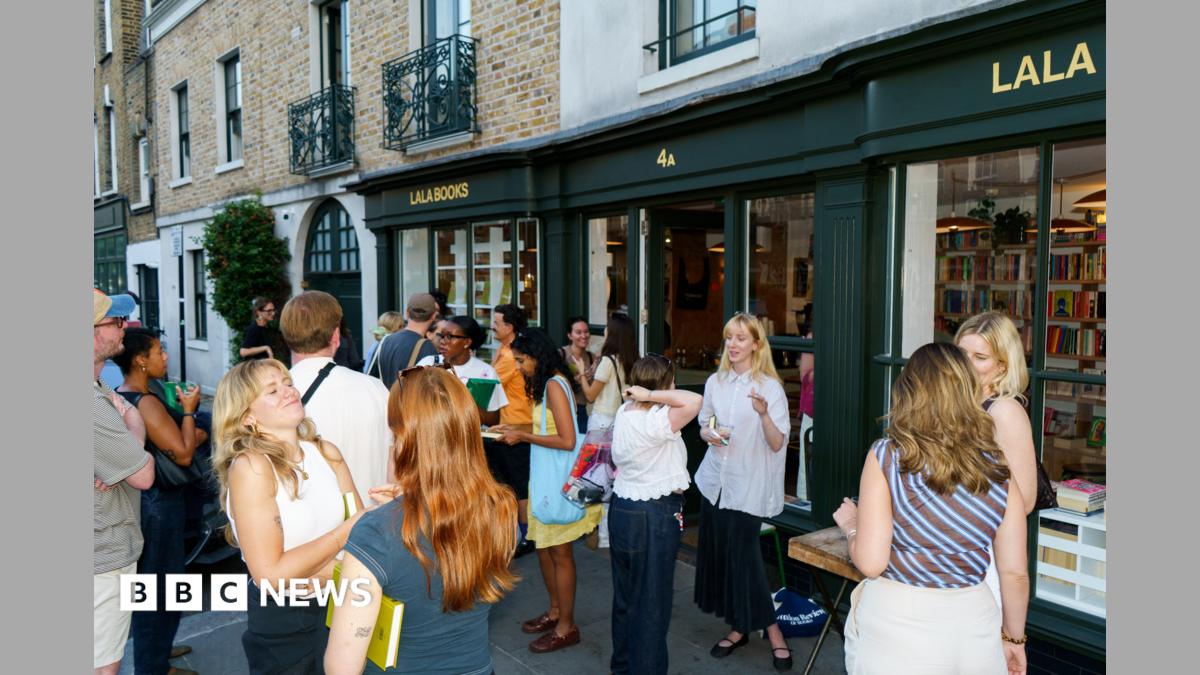
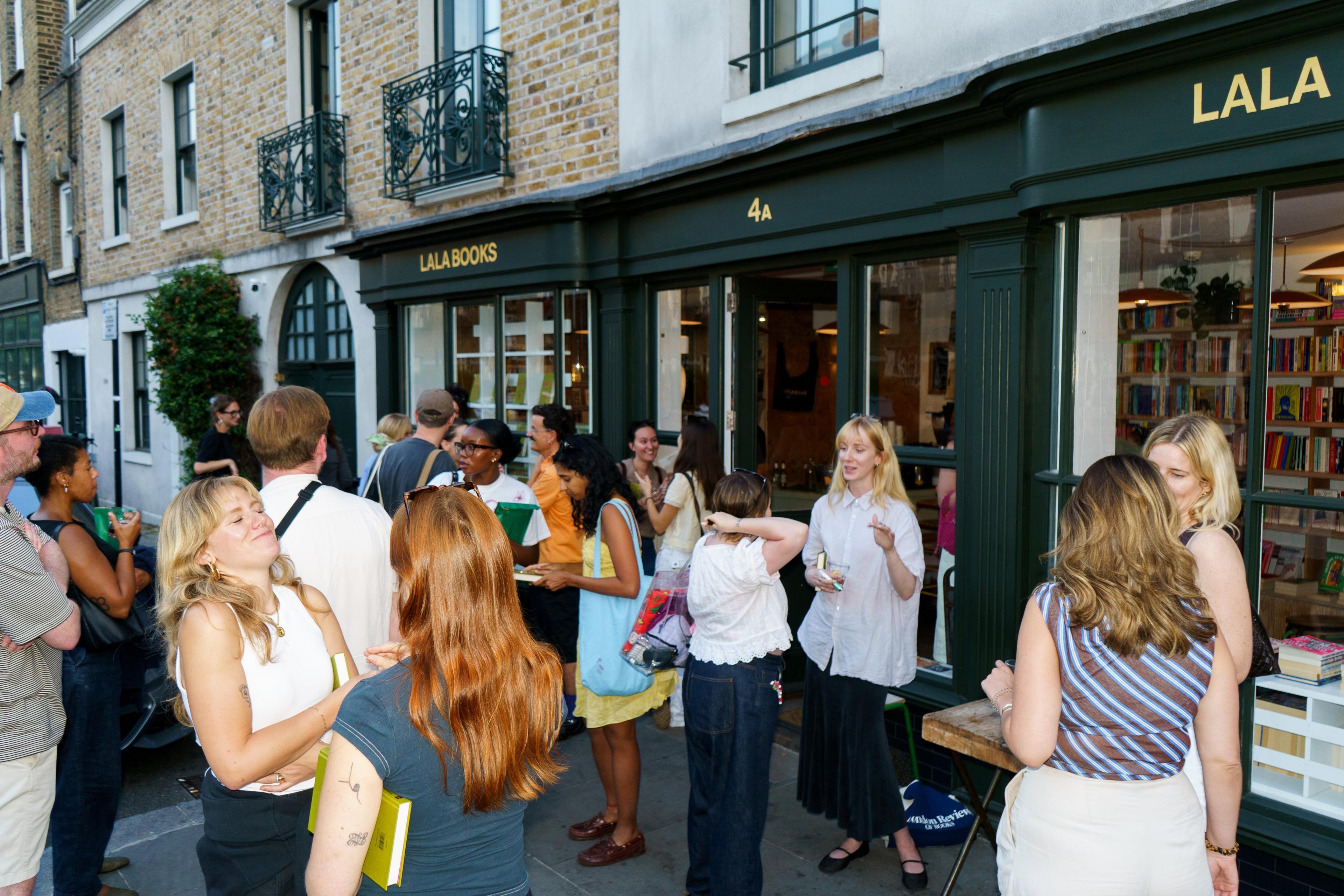
South of the river, in the vibrant neighbourhood of Camberwell, Lala Books, an independent bookshop, echoes this sentiment with its own pay-it-forward scheme. Owner Danielle Moylan explains that their community-funded pot allows anyone to claim the full or partial cost of a book or magazine. This scheme has found particular resonance among young people in the community, who often grapple with exorbitant rents and the escalating cost of living. However, Moylan frequently encounters a familiar reluctance. "’I feel bad’ — a lot of people say that, or you can tell they don’t think it’s for them. Or they might not be in quotes poor enough to use it or disadvantaged enough." This internal struggle, the feeling of not being "poor enough," highlights a critical barrier: the internalized shame and societal stigma surrounding economic vulnerability. People often believe that such help is reserved for those in more extreme circumstances, overlooking their own legitimate needs.
Moylan, however, is steadfast in her belief that the scheme is for anyone feeling a momentary pinch. "It’s just there for you to feel comfortable enough to take a book home with you," she clarifies, emphasizing accessibility over strict eligibility criteria. To further enhance discretion, Lala Books has devised an ingenious method: a box at the back of the shop contains a stack of envelopes filled with gift vouchers that look identical to their regular gift vouchers. "We wouldn’t know the difference," Moylan assures, effectively removing any visual cue that might distinguish a recipient from any other customer. This thoughtful design element is crucial in fostering an environment where individuals can access support without feeling singled out or judged.
When confronted with the hypothetical concern of people "taking advantage" of such a no-questions-asked approach, Moylan’s response is unequivocal: "That’s sometimes the pointy end of running a scheme like this, and that’s just something you have to accept as part of a community fund." Her philosophy prioritizes trust and broad access over strict controls, understanding that the benefits of widespread kindness outweigh the minimal risks of misuse. She shares compelling examples of the scheme’s diverse impact. One customer used the funds to purchase a birthday gift for a friend, transforming a simple act of charity into an enabler of friendship and celebration. In another instance, the scheme provided 30 books for a local primary school, an initiative sparked by Gillian Lewis, a parent who saw Lala’s scheme as a perfect opportunity to enrich children’s lives. "There’s something nice about the idea that people in Camberwell and Southwark are giving money – that then is going to buy books for kids who live around the corner," Lewis reflects, illustrating the powerful ripple effect of community generosity.
Perhaps most heartening is the reciprocity observed by Moylan. "We even get people who might use it one week when they feel like they don’t have just quite enough money to get the book that they want, and then like two months later they’ll come back and say they want to donate into it now." This circularity is the true embodiment of the "pay-it-forward" principle, demonstrating how these schemes can cultivate a culture of mutual support and shared responsibility, turning recipients into future benefactors.
In essence, while economists correctly highlight that these schemes are not a panacea for London’s deep-seated socio-economic challenges, their value lies in their immediate, tangible impact on individuals and their profound capacity to strengthen community bonds. They serve as essential "signals of kindness," offering not just a coffee or a book, but a moment of dignity, connection, and belonging. Overcoming the psychological barriers of pride and perceived "poor enough" status remains the biggest hurdle, but through thoughtful design and unwavering commitment to non-judgmental support, London’s pay-it-forward schemes continue to prove that even a small act of generosity can be truly life-changing.




 Roy Suryo

 George Anjay
 Ramos Leo