
 Nana Banana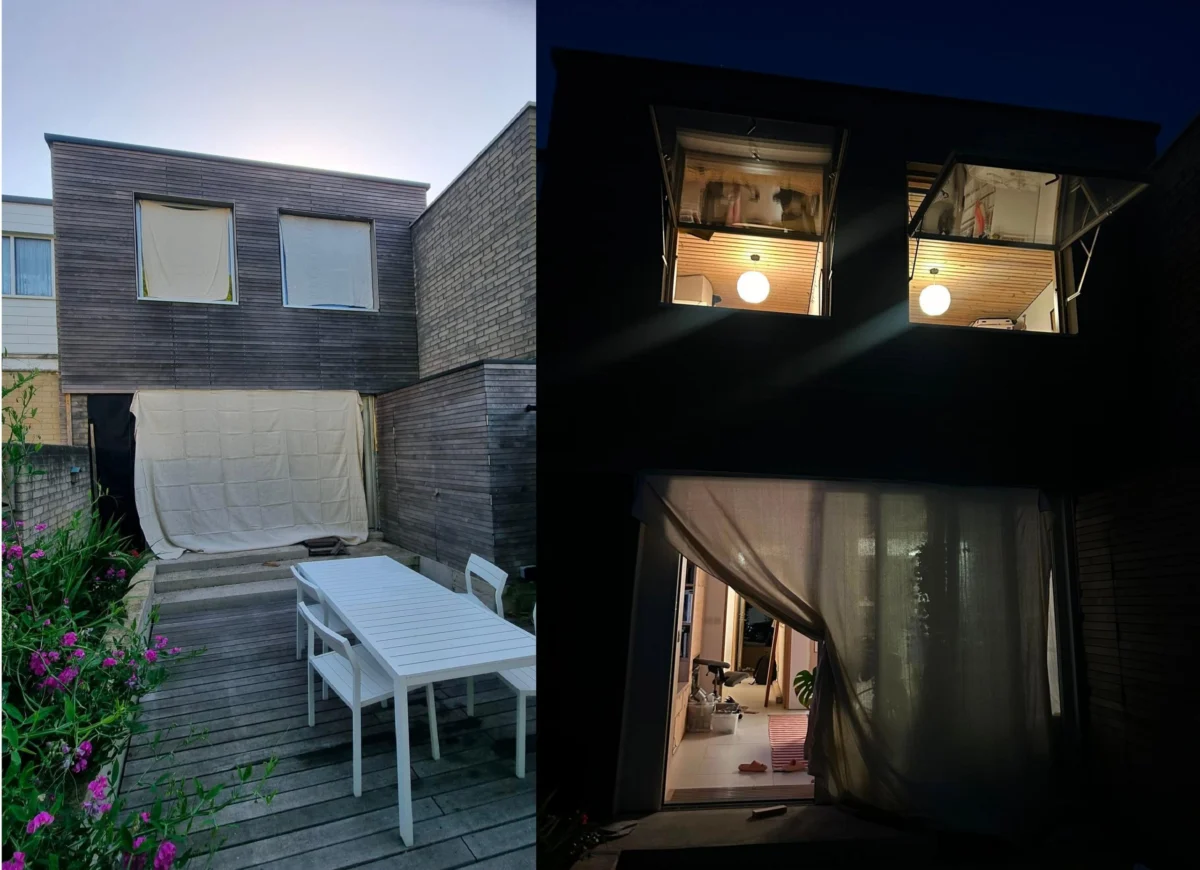
After five heatwaves and unprecedented temperatures that are set to crown this as the UK’s hottest summer on record, a critical question looms over British households: how can we stay cool, especially within our own homes, without succumbing to soaring energy bills or the environmental impact of ubiquitous air conditioning? The challenge is stark: over half of all UK homes are already vulnerable to overheating, a figure projected to surge to a staggering 92% by 2050 if proactive adaptations are not widely implemented. This escalating crisis necessitates a radical rethink of our domestic environments, turning attention to innovative, or perhaps historically informed, approaches to residential design and renovation.
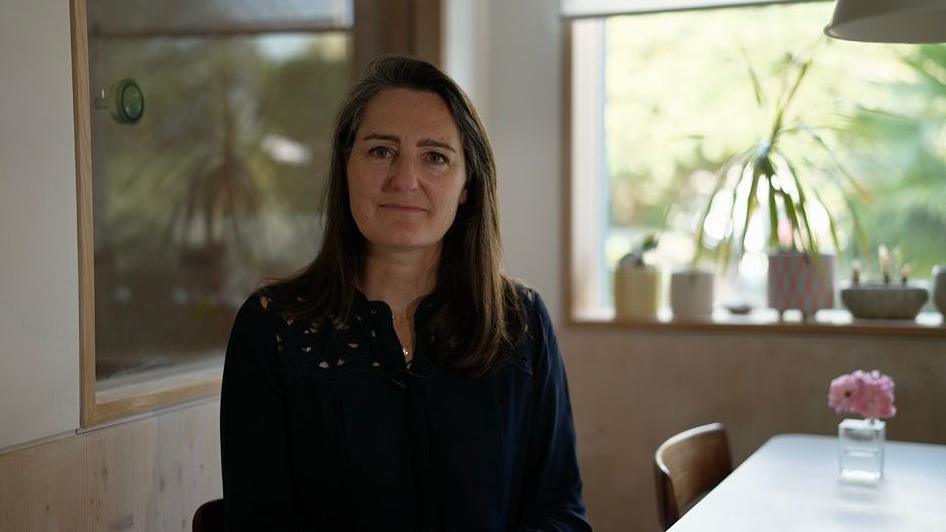
Amidst this urgent backdrop, a quiet revolution is taking place in a 1960s ex-council house in south London. Here, architect and homeowner Marion Baeli has transformed her property into a bastion against the heat, achieving a remarkable 10°C cooler interior on a scorching 35°C day, all without the aid of conventional air conditioning. Her home is a living testament to the efficacy of the Passivhaus standard, an international building protocol developed in Germany approximately 35 years ago. This methodology centres on a deceptively simple yet profoundly effective concept: designing a building envelope that maintains a near-constant indoor temperature, effectively sealing it against external climatic fluctuations. The principle is akin to a well-insulated flask, as Baeli herself explains: "You wouldn’t put holes in your flask if you wanted to keep the ice in. You’d close the cap and make sure it is firmly twisted on. It’s the same in this house." The result is not only enhanced comfort but also dramatically reduced energy consumption, with Passivhaus structures estimated to consume up to 90% less energy than typical houses.
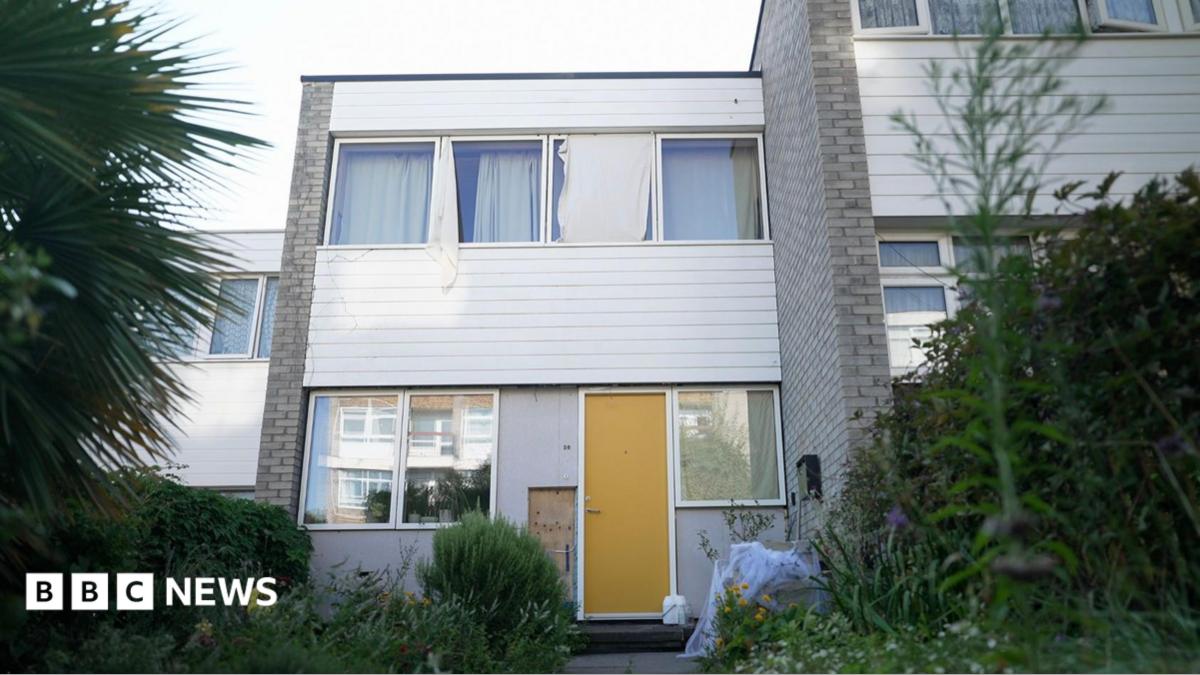
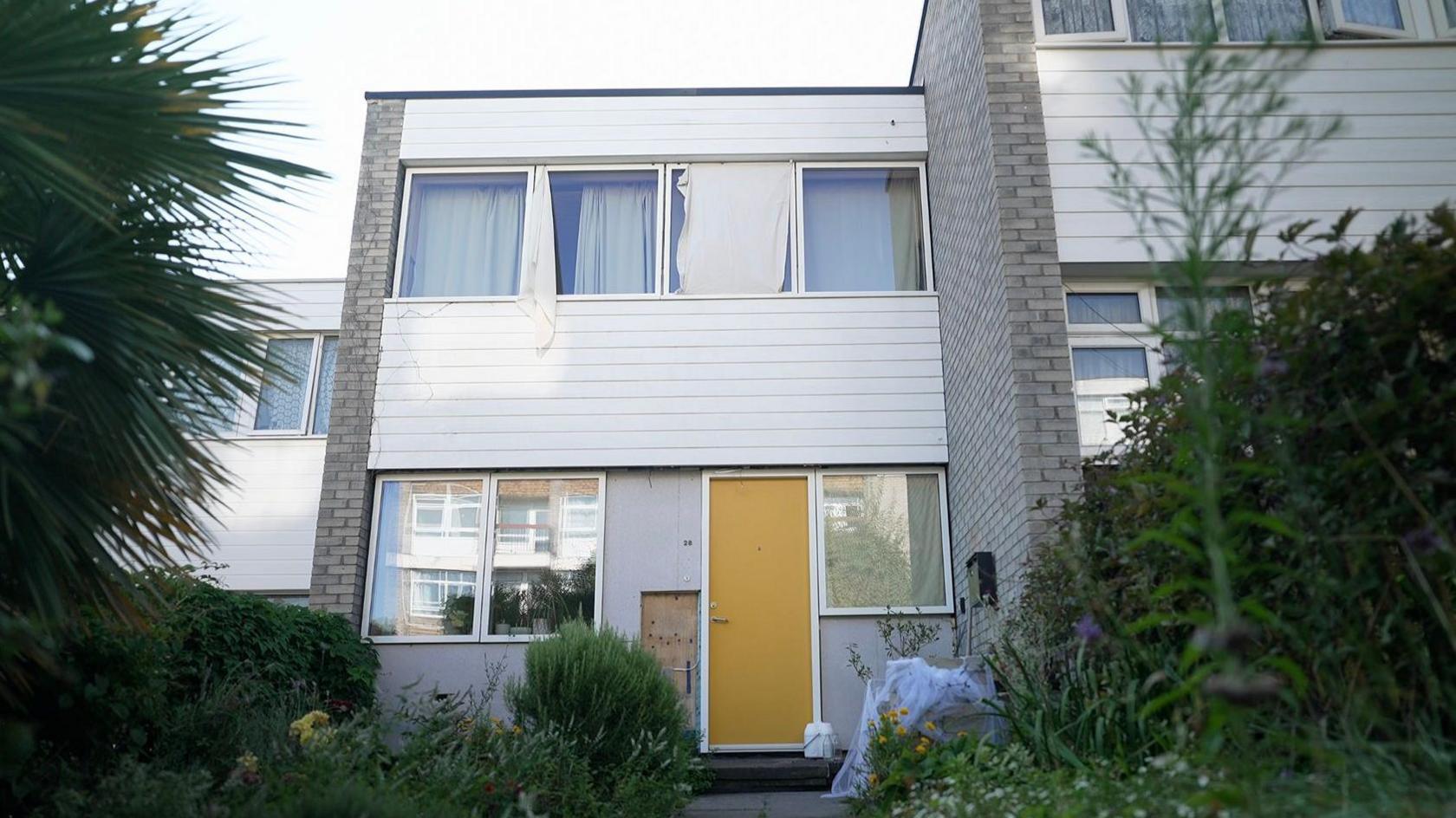
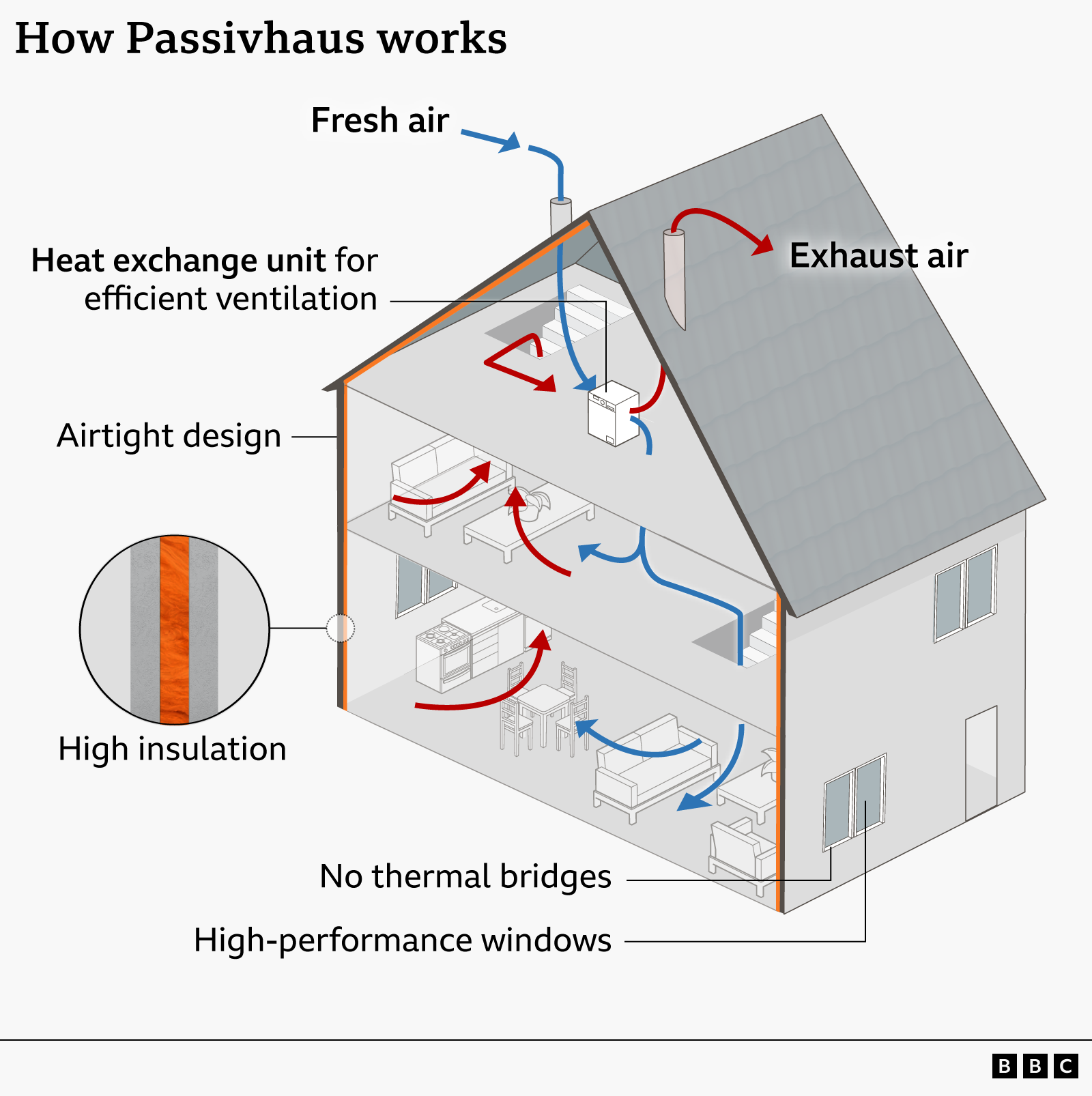
When the Baeli family first moved into their home a decade ago, it was a prime example of the UK’s thermally inefficient housing stock. Characterised by draughty PVC double-glazed windows and minimal insulation, the house struggled to retain warmth in winter and became uncomfortably hot in summer. Marion, leveraging her professional expertise, embarked on an ambitious, phased retrofit project. The initial, most disruptive phase focused on the structural elements crucial for creating a robust thermal envelope. This included comprehensive insulation of shared walls, flooring, and the roof, effectively wrapping the entire dwelling in a protective layer. A key element of this stage was the meticulous elimination of "thermal bridges" – points in the building where insulation is interrupted, allowing heat to escape or enter rapidly. These often occur at junctions between different building components, such as where rafters meet walls, and addressing them is vital for achieving true airtightness and thermal consistency.
Two years later, the second phase saw the replacement of cavity brick walls with "thinner, super-insulated" timber-framed walls. This upgrade significantly improved the U-value (a measure of heat transfer) of the exterior walls. Concurrently, new triple-glazed windows were installed. Unlike standard double-glazing, these high-performance units feature three panes of glass with inert gas-filled spaces in between, dramatically slowing down heat transfer from the outside during summer and preventing heat loss in winter. With the house now effectively airtight, a mechanical ventilation with heat recovery (MVHR) system was installed. This sophisticated system continuously extracts stale air from the house while simultaneously drawing in fresh filtered air from outside. Crucially, it recovers up to 90% of the heat from the outgoing air and transfers it to the incoming fresh air, ensuring excellent indoor air quality without significant heat loss or gain. These measures collectively work to stabilise the internal temperature, greatly reducing the energy needed for heating and cooling. Baeli notes that her four-bedroom home, spread over three floors, now requires only a single radiator to stay warm in winter, thanks to the dramatically improved heat retention. She estimates an 88% reduction in her home’s energy demand, translating to annual savings of nearly £750 on her utility bills – a significant advantage in an era of escalating energy costs.
While the benefits are clear, the cost of retrofitting an existing home to Passivhaus standards remains a substantial barrier for many. The total investment for Baeli’s comprehensive renovation, excluding architectural fees, amounted to approximately £80,000. Her priciest component was the triple-glazed windows, costing around £30,000, while achieving airtightness was a comparatively cheaper, yet essential, £5,000 investment. Recognising the financial strain, Baeli, like many homeowners, opted for a staged approach, spreading the work and expenditure over a decade. This incremental strategy makes such ambitious projects more financially manageable for individuals.
Despite the impressive thermal performance, Passivhaus homes are not entirely impervious to the most extreme conditions. For the system to work optimally in summer, the house needs to start with a cooler baseline temperature. Baeli diligently closes windows and curtains during the day, and critically, employs external shading – in her case, simple dust sheets hung over windows – to prevent direct sunlight from hitting the glass and creating a "glasshouse effect." This prevents heat from building up internally. However, the unprecedented "tropical nights" experienced during recent heatwaves, where outdoor temperatures failed to drop significantly (e.g., 27°C at night in June), presented a unique challenge. On such an evening, Baeli’s house registered its highest internal temperature of 27°C. In such scenarios, she acknowledges that a brief period of mechanical cooling might be necessary to "reset" the internal temperature, after which the Passivhaus measures would efficiently maintain that cooler state. This highlights the evolving nature of climate adaptation, even for highly efficient homes, as extreme weather events become more frequent.
Integrating Passivhaus principles into a building’s initial design is considerably more cost-effective than undertaking a retrospective retrofit. The Passivhaus Trust estimates that constructing new flats to the standard adds only about 2% to the build cost, rising to approximately 5% for a semi-detached house. This marginal increase in initial outlay is quickly offset by substantial long-term energy savings and enhanced occupant comfort. Recognising the growing urgency, legislative frameworks are beginning to catch up. In March, the Future Homes Standard is set to come into force in England, establishing higher building and energy performance requirements for new homes. While not a direct adoption of Passivhaus, these regulations move significantly closer to its rigorous standards. Scotland is also advancing, with ongoing consultations for new building regulations aimed at delivering "an equivalent to the Passivhaus standard," with new guidelines potentially published next year.
The private sector is also showing increasing interest. Barratt Redrow, one of the UK’s largest housebuilders, is embarking on a significant development at Bollo Lane in west London, constructing 900 affordable and private flats to the Passivhaus standard, complete with heat pumps for both heating and cooling. Oliver Novakovic, the company’s technical and innovation director, explains this ambitious project as an experiment to "future-proof" the company and proactively address "continually increasing" regulatory demands. Currently, about 1% of all new homes in the UK are built to this voluntary standard, a figure the Passivhaus Trust projects could expand to 10% within the next decade. However, scaling up remains challenging. The City of York Council, for instance, struggled in April to attract interest from construction firms for a project to build 315 Passivhaus homes, citing adverse market conditions and the inherent complexity of building to such precise specifications. This underscores the need for greater industry capacity, expertise, and potentially, stronger governmental incentives to accelerate adoption.
The vast majority of the UK’s housing stock, an estimated 80% of the homes that will exist in 2050, are already built. This means that while new Passivhaus construction is vital, the overarching challenge lies in retrofitting millions of existing homes to withstand rising temperatures. Government support schemes, such as those aimed at assisting low-income households with insulation, have faced their own hurdles, including reports of botched work, leading to their impending closure later this year with no immediate replacement announced. This policy vacuum creates uncertainty for homeowners seeking to make vital improvements.
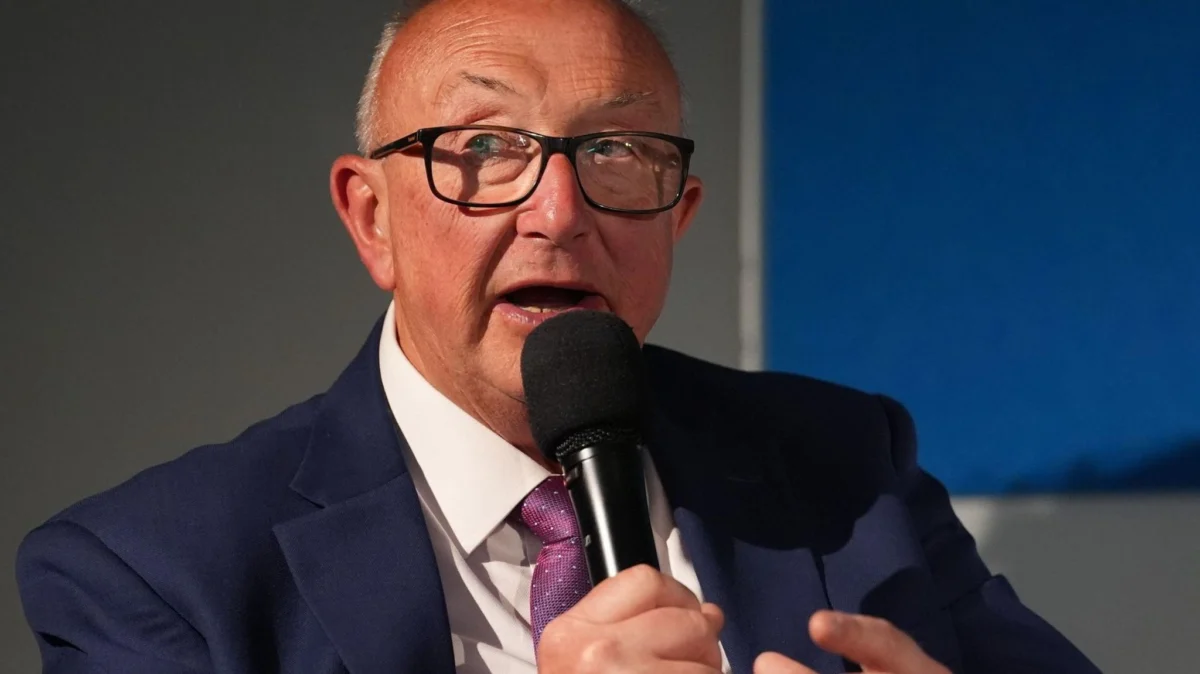
Jay Morton, incoming President Elect of the Royal Institute of British Architects (RIBA), articulated on BBC Radio 4’s Rare Earth programme that while a full Passivhaus retrofit might be prohibitive for many, even partial measures can yield substantial benefits. "You won’t necessarily be able to insulate every single wall," Morton observed, "but by even doing the 50% best is actually massive in terms of energy bills." This pragmatic approach suggests that homeowners can focus on key interventions like loft insulation, draught-proofing, or targeted external wall insulation to make significant inroads into improving their home’s thermal performance. Beyond major renovations, Baeli offers a universally applicable piece of advice for all homeowners, regardless of their home’s standard: shade your windows. "It doesn’t need to be sophisticated," she stresses, "whatever you can do, just absolutely shade your windows and you will definitely feel the difference in the summer months." This simple, low-cost intervention can immediately mitigate solar heat gain, offering immediate relief and demonstrating that adaptation to a hotter Britain can begin with straightforward, accessible actions, paving the way for a more resilient and comfortable future for our homes.




 atisusanti
 George Anjay
 Nakalama John
 Ramos Leo