atisusanti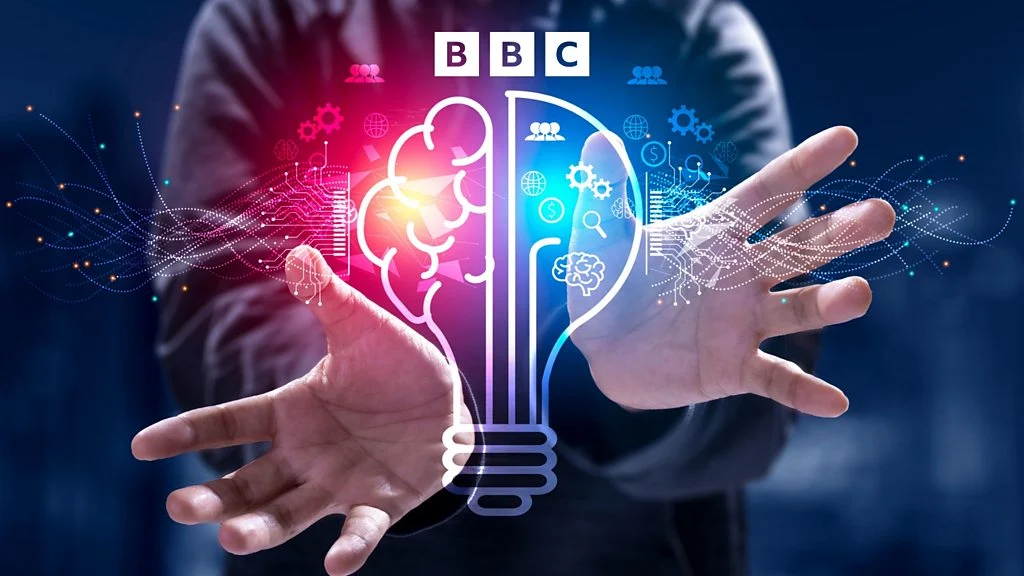
In a rapidly evolving technological landscape, the quest for groundbreaking innovation is relentless. BBC Sounds’ "Tech Life" program, specifically the episode "Unlocking tech breakthroughs," delves into the crucial mechanisms and inspiring applications driving progress, offering listeners a compelling glimpse into the future. This particular episode, broadcast on August 25th, 2026, by the World Service and clocking in at a concise 26 minutes, promises to illuminate key advancements and the individuals behind them. The episode has been available for over a year, indicating its enduring relevance and the sustained interest in its subject matter.
At the heart of the episode’s exploration lies ARIA, the UK’s ambitious Research and Development Funding Agency. Designed with the explicit purpose of unlocking novel scientific and technological developments, ARIA represents a significant national investment in fostering future breakthroughs. The program features an interview with ARIA’s new chief, providing listeners with direct insight into the agency’s strategic vision, its operational framework, and the types of transformative projects it aims to champion. This segment is crucial for understanding how governmental and institutional support can catalyze innovation, moving cutting-edge ideas from concept to reality. ARIA’s mandate is to identify and fund high-risk, high-reward projects that have the potential to generate significant societal and economic impact, thereby pushing the boundaries of what is currently possible. The agency’s focus is not on incremental improvements but on paradigm-shifting technologies that can redefine industries and address global challenges.
Beyond the institutional drive for innovation, "Tech Life" also shines a spotlight on the tangible, human-centric applications of technology. The episode highlights the remarkable ways in which technology is empowering disabled racing drivers, enabling them to achieve their dreams and compete at the highest levels. This segment underscores the democratizing power of technological advancement, demonstrating how it can break down barriers and foster inclusivity in fields previously perceived as inaccessible. The specific technologies employed, whether they involve advanced prosthetics, sophisticated control systems, or innovative sensory feedback mechanisms, are likely to be a focal point, illustrating the ingenuity required to adapt and augment human capabilities. This part of the episode serves as a powerful reminder that technological progress is not just about abstract scientific discovery but also about improving individual lives and expanding opportunities.
Furthermore, the episode tackles a contemporary and increasingly relevant issue: the rise of Artificial Intelligence (AI) in generating complaints. In an era where AI is permeating various aspects of our lives, understanding its capabilities and limitations, even in seemingly mundane tasks, is vital. The segment explores the pros and cons of utilizing AI for generating complaints. This could encompass discussions on the efficiency and scalability of AI-driven complaint generation, its potential to streamline consumer feedback processes, and its ability to identify patterns and systemic issues. Conversely, the episode is also likely to address the ethical considerations, the potential for misuse, the impersonality of AI-generated communication, and the debate around accountability and authenticity when complaints are not directly authored by an individual. This nuanced exploration of AI’s role in everyday interactions offers a thought-provoking perspective on the societal implications of this powerful technology.
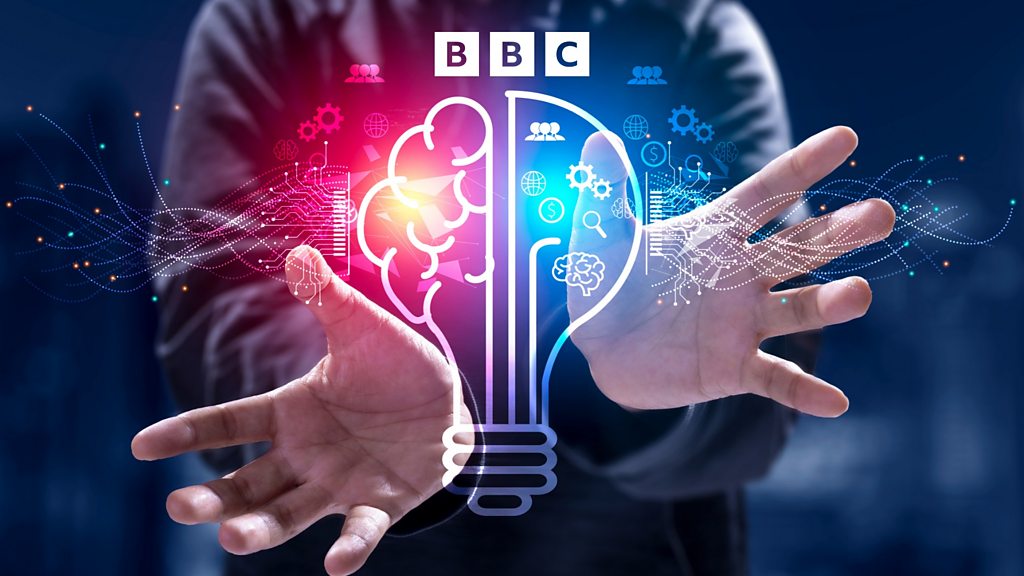
The episode is skillfully presented by Chris Vallance, a seasoned broadcaster with a knack for demystifying complex technological subjects. The production, managed by Tom Quinn, ensures a polished and engaging listening experience, likely incorporating sound design and editorial choices that enhance the narrative flow and impact of each segment. The accompanying image, an illustration of a light bulb being grasped by human hands, serves as a potent metaphor for the ongoing effort to capture and harness creative thoughts and innovative ideas, a central theme that resonates throughout the episode. This visual reinforces the idea that innovation is a deliberate and often challenging pursuit, requiring both inspiration and practical application.
The availability of "More episodes" on the Programme Website of "Unlocking tech breakthroughs" (linked via p01plr2p) suggests a broader series dedicated to exploring the frontiers of technology. This allows listeners to delve deeper into related topics and continue their journey of discovery. The "Tech Life" series, as exemplified by this episode, plays a crucial role in keeping the public informed about the most significant technological developments, their potential impact, and the diverse ways in which innovation is shaping our world. By focusing on a combination of institutional initiatives like ARIA, empowering applications for individuals, and thought-provoking discussions on emerging AI capabilities, the program provides a comprehensive and engaging overview of the dynamic field of technology. The inclusion of an archival availability of "over a year" suggests that the topics discussed possess a timeless quality, continuing to be relevant and impactful long after their initial broadcast. This longevity speaks to the enduring significance of scientific research, technological application, and the ongoing human endeavor to push the boundaries of innovation. The BBC’s commitment to producing such content through BBC Sounds ensures that these vital discussions are accessible to a global audience, fostering a more informed and engaged society.



 Roy Suryo

 George Anjay
 Nakalama John
 Ramos Leo