atisusanti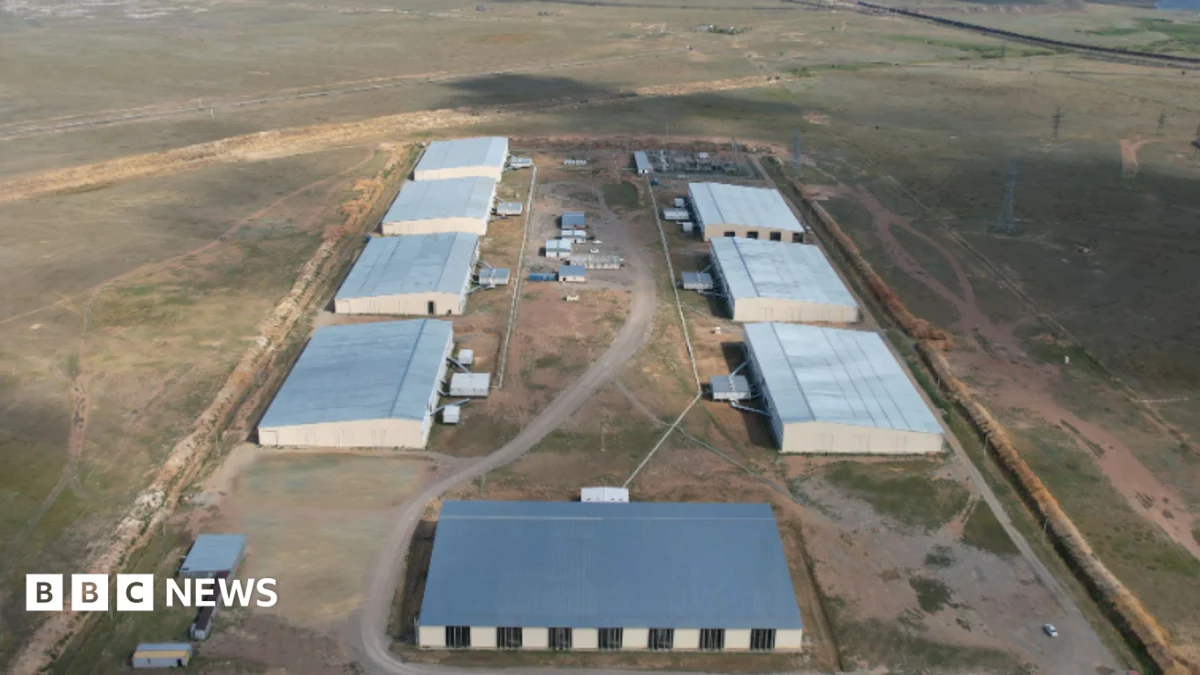
The burgeoning artificial intelligence (AI) sector is sparking an unprecedented exodus from the world of Bitcoin, with cryptocurrency mining companies strategically pivoting their vast computational power and infrastructure towards the lucrative AI gold rush. This seismic shift, driven by a confluence of declining Bitcoin rewards, fluctuating cryptocurrency prices, and the immense demand for AI processing power, is fundamentally reshaping the landscape of both digital asset mining and the burgeoning AI compute market. Like the intricate workings of Bitcoin, which relies on a decentralized network of powerful computers housed in data centers to verify transactions and mint new digital coins, AI systems also demand colossal computational resources. However, the economics of Bitcoin mining have become increasingly challenging. Once a pathway to significant riches, the rewards for validating Bitcoin transactions have dwindled, and the value of the digital currency has experienced a significant downturn since its peak.
At its zenith in October 2025, one Bitcoin commanded a staggering price of approximately $124,000 (£91,000). While the cryptocurrency has since seen a notable decline, it has recently shown signs of recovery, rallying to around $80,000, marking an impressive nearly 30% increase in August alone. Yet, for many companies that have already committed to the transition, even this resurgence may not be enough to lure them back to the volatile crypto industry. The cost and complexity of reversing their infrastructure investments – effectively unplugging from AI compute leases and reconfiguring their hardware for Bitcoin mining – present a formidable barrier. Industry analysts are observing a clear trend: Bitcoin mining companies, with their deep-seated expertise in securing cheap electricity and operating large-scale data centers with exceptional efficiency, are finding fertile ground in the AI sector.
A growing roster of prominent names in the Bitcoin mining space is increasingly diverting both investment capital and existing infrastructure away from the energy-intensive pursuit of digital coin creation and towards the high-demand world of AI computation. Companies such as TerraWulf, Ionic Digital, Core Scientific, Iris Energy, Bitdeer, Riot Platforms, and Hut 8 are at the forefront of this strategic pivot. Demonstrating the scale of this commitment, Riot Platforms recently inked a monumental $9 billion, 20-year compute deal with Anthropic, a leading AI research and deployment company. This substantial agreement underscores the long-term vision and financial backing now flowing into AI infrastructure.
Wolfie Zhao, a keen observer of this evolving market and formerly associated with The Miner Mag, a publication that has since rebranded to The Energy Mag to reflect the industry’s changing focus, predicts that this significant pivot will persist, even in the face of Bitcoin’s recent price appreciation. "We expect to see many public miners continue winding down their Bitcoin mining hardware in the coming quarters," Zhao stated, emphasizing the sustained momentum of the trend. When questioned about the potential implications of this exodus on the security and stability of the Bitcoin network, Zhao expressed a hopeful outlook, suggesting that as market conditions improve, more miners might be incentivized to enter the fray. However, he tempered this optimism with a stark prediction for the industry’s major players: a return to Bitcoin mining may not be a straightforward or even feasible option for many.
Zhao articulated the permanence of this infrastructure shift with a powerful analogy: "Once that multi-gigawatt power infrastructure has been retrofitted to AI or HPC colocation, there is no turning back." He elaborated on the financial and contractual realities that bind these companies to their AI commitments. "You can unplug from the Bitcoin network any time but signing a GPU colocation lease for 10 or 20 years means steady revenue and a commitment to keep the infrastructure up for the tenants." This highlights the long-term, stable revenue streams that AI compute contracts offer, contrasting sharply with the more speculative and volatile nature of Bitcoin mining.
The implications of these strategic decisions are far-reaching. For instance, Bitdeer, a company that ranks among the world’s largest Bitcoin miners, has also secured a significant 16-year deal to provide compute power for Anthropic. This move by a major Bitcoin mining entity further validates the attractiveness of the AI compute market. However, Haris Basit, Chief Strategy Officer at Bitdeer, offered a nuanced perspective, suggesting that the company will continue its Bitcoin mining operations. He believes that many operators will ultimately embrace a "dual-purpose model," strategically leveraging their infrastructure for both Bitcoin mining and AI compute.
Basit elaborated on the synergistic potential of this hybrid approach: "Bitcoin mining is particularly well suited to that model because it is flexible and interruptible, while AI workloads can provide longer-duration contracted revenues." This indicates a sophisticated understanding of how to optimize computational resources. Bitcoin mining’s inherent flexibility, allowing operations to be scaled up or down based on electricity costs and market conditions, makes it an ideal candidate for interruptible workloads. Conversely, the consistent and predictable demand from AI applications offers a stable and reliable revenue stream, creating a robust and diversified business model. This dual-strategy allows companies like Bitdeer to capitalize on the immediate profitability of AI compute contracts while retaining the option to engage in Bitcoin mining when economic conditions are favorable.
The strategic repositioning of these crypto firms is not merely a tactical adjustment; it represents a fundamental reallocation of resources driven by the immense potential and rapid growth of the AI industry. The demand for powerful GPUs and specialized AI hardware has surged, creating a lucrative market for companies that possess the existing infrastructure and expertise to meet this demand. The transition from Bitcoin mining to AI compute is facilitated by several key factors. Firstly, the underlying hardware requirements, while different in their specific configurations, share a common foundation in high-performance computing. Data centers built for Bitcoin mining are often equipped with robust power delivery systems, advanced cooling solutions, and high-speed networking, all of which are essential for supporting AI workloads.
Secondly, the operational knowledge gained from managing large-scale, energy-intensive data centers is directly transferable to the AI sector. Bitcoin miners have become adept at negotiating favorable electricity rates, optimizing energy consumption, and maintaining the uptime of complex computational systems. These skills are invaluable to AI companies that require continuous and reliable access to processing power. The financial incentives are also undeniable. While Bitcoin mining rewards have diminished, the demand for AI compute services has created a market with potentially higher and more predictable returns. Long-term contracts with AI firms offer a level of financial stability that can be elusive in the cryptocurrency market.
However, the shift is not without its complexities. The initial capital expenditure for reconfiguring hardware and adapting data center facilities for AI workloads can be substantial. Furthermore, the AI landscape is evolving rapidly, with new hardware architectures and software frameworks emerging constantly. Companies must remain agile and adaptable to stay competitive. The ethical considerations surrounding energy consumption also continue to be a point of discussion. While the move towards AI may involve a shift in energy use, the overall sustainability of these operations remains a critical factor. The long-term success of this pivot will depend on the ability of these companies to navigate technological advancements, manage financial risks, and secure sustainable energy sources. The AI gold rush is undeniably redrawing the lines of the digital economy, and the crypto industry’s response is a testament to its adaptability and entrepreneurial spirit. The future of computation, it seems, is increasingly being built on the foundations laid by the Bitcoin mining boom.




 Roy Suryo

 George Anjay
 Nakalama John
 Ramos Leo