
 Ramos Leo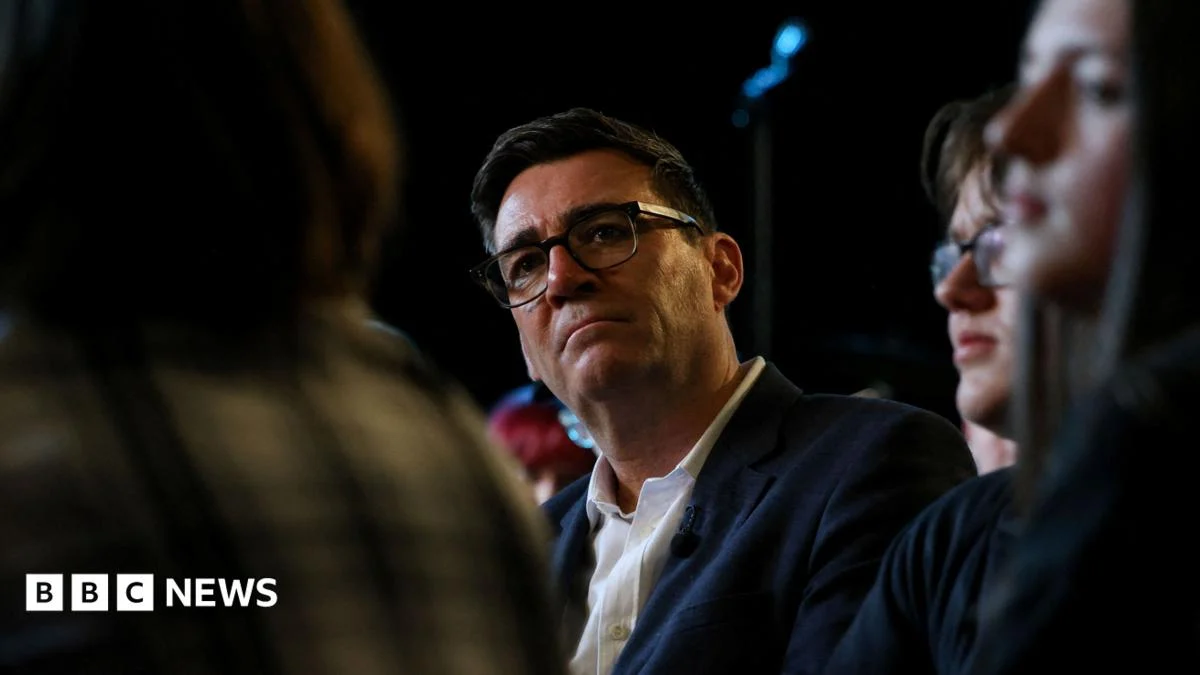
Burnham cited the turbulent experiences of past referendums, specifically the 2016 EU referendum and the 2014 vote on Scottish independence, as cautionary tales. He articulated a perspective that such constitutional votes, while democratic in principle, often unleash a torrent of division and uncertainty that can cripple a society’s ability to progress. "What we find is that the risks that come from those situations take a long time to heal and it sets you right back, and you can’t focus on what’s right in front of us here and now," he added, underscoring the profound and lingering societal scars left by such divisive campaigns. The fallout from Brexit, for instance, continues to reverberate across the United Kingdom, particularly in Northern Ireland, which has grappled with the complexities of the Protocol and the Windsor Framework. Similarly, the Scottish independence debate, though settled for now, left deep cleavages within Scottish society and its political landscape. Burnham’s point was clear: Northern Ireland, currently facing its own unique set of problems, cannot afford to add another layer of constitutional upheaval to its plate.
He emphasised that the most pressing concerns for the people of Northern Ireland are immediate and practical. "The cost-of-living pressures that are hurting people in Northern Ireland, the need to get that budget set so that public services can function as they should," were highlighted as paramount. The region has been particularly hard hit by soaring inflation, energy price hikes, and a stagnant economy, mirroring challenges across the UK but exacerbated by its unique political context. For extended periods, Northern Ireland has operated without a fully functioning Executive and Assembly, leading to severe underfunding and operational crises in critical public services. Hospitals are struggling, schools are under immense pressure, and vital community services face cuts, all stemming from the absence of a stable, agreed budget and political leadership. Burnham’s argument was that diverting attention to a border poll would only further delay resolution to these urgent matters, prolonging the suffering of ordinary citizens.
He continued to reflect on a broader pattern of political stagnation and division within the UK. "A decade since the Brexit referendum I think we’ve had too much division, too much arguing, too much backward-looking," he stated, lamenting the continuous cycle of constitutional wrangling that has consumed political discourse. His sentiment resonated with a desire for forward-looking governance, focused on practical solutions rather than ideological battles. "We need to fix the things right in the here and now," he insisted, advocating for a pragmatic approach to governance that prioritises stability and tangible improvements in people’s daily lives over abstract constitutional debates. This stance reflects a potential pivot for the Labour Party, should they form the next UK government, towards de-escalating constitutional tensions and fostering a period of domestic consolidation.
Democratic Unionist Party (DUP) leader Gavin Robinson welcomed the opportunity to engage with the Mayor of Greater Manchester. For the DUP, a party fundamentally committed to maintaining Northern Ireland’s place within the United Kingdom, Burnham’s remarks on a border poll were "particularly encouraging" and were seen as "putting to bed the nonsense" discussed in recent months. The DUP has consistently opposed calls for an immediate border poll, viewing such a vote as destabilising and premature. Robinson’s endorsement of Burnham’s position highlights the common ground found between a prominent Labour figure and Unionists on the issue of constitutional stability. This alignment suggests a shared desire to avoid further constitutional upheaval at a time when Northern Ireland’s political institutions are already fragile.
Robinson further reiterated the DUP’s immediate priorities, stating that "clearly there are issues" around the budgetary settlement for Northern Ireland. He indicated that this would form a key part of the DUP’s talks with the visiting Labour dignitary. The DUP’s ongoing boycott of power-sharing at Stormont, primarily in protest over post-Brexit trading arrangements (the Northern Ireland Protocol and its successor, the Windsor Framework), has directly contributed to the budget impasse. Securing a fair and sustainable financial package for Northern Ireland is a cornerstone of the DUP’s current negotiating position, aiming to ensure the viability of public services and the economic health of the region. Burnham’s visit, therefore, provided an important platform for the DUP to articulate its concerns to a senior figure within a potential future UK government.
In stark contrast to the DUP’s reception, Sinn Féin leader Mary Lou McDonald voiced strong disapproval of Burnham’s stance. She stated that the Irish republican party’s delegation had a "very frank and very forthright" meeting with Burnham following his remarks in which he ruled out a referendum. Sinn Féin, whose primary political objective is a united Ireland, views a border poll as an inevitable and necessary step in the country’s evolution. For them, denying the prospect of a referendum is not only politically short-sighted but also undermines the democratic provisions of the Good Friday Agreement, which sets out the conditions under which such a poll can be called.
McDonald’s powerful rebuke left no room for ambiguity regarding Sinn Féin’s position. "We have put it to him very strongly that burying his head in the sand is not a plan, not a strategy, not wise and not acceptable to us," she said. This statement underscores Sinn Féin’s belief that a united Ireland is a conversation that must happen, driven by changing demographics, the implications of Brexit for the island of Ireland, and the long-held aspirations of the republican community. They argue that ignoring this fundamental question will not make it disappear but rather allow grievances to fester, potentially leading to greater instability in the long run. Sinn Féin maintains that planning for a new constitutional arrangement is a proactive and responsible approach, rather than waiting for a crisis point.
Burnham’s visit and his unequivocal remarks serve to highlight the deep constitutional fault lines that continue to define Northern Irish politics. While the Good Friday Agreement provides the mechanism for a border poll should there be evidence of a shift in public opinion, the timing and political desirability of such a vote remain intensely contested. Unionist parties generally believe the conditions for a poll have not been met and that it would be destabilising. Nationalist parties, particularly Sinn Féin, argue that changing demographics and the post-Brexit landscape necessitate a serious conversation and preparation for a united Ireland.
The broader political context in Northern Ireland remains complex. The absence of a fully functioning power-sharing Executive for significant periods has created a governance vacuum, impacting every aspect of public life. The DUP’s ongoing protest over the Northern Ireland Protocol and the subsequent Windsor Framework, which aims to address the challenges of post-Brexit trade, continues to be a major obstacle to the restoration of devolved government. Against this backdrop, Burnham’s intervention can be seen as an attempt to inject a dose of political realism, urging all parties to focus on immediate governance and economic recovery rather than engaging in potentially destabilising constitutional debates.
For the Labour Party, Burnham’s comments could signal a strategic approach to Northern Ireland if they come to power. By taking a cautious stance on a border poll, they might aim to reassure Unionists and prevent the issue from becoming an immediate source of contention, allowing them to focus on domestic policy and repairing relationships with the EU. However, this approach risks alienating nationalist voters and Sinn Féin, who will expect a future Labour government to be more open to facilitating discussions about a united Ireland in line with the Good Friday Agreement. The balancing act for any future UK government will be to uphold the spirit of the Agreement while managing the diverse and often conflicting aspirations within Northern Ireland.
Ultimately, Andy Burnham’s first visit to Northern Ireland served to underscore the enduring divisions and the pressing challenges facing the region. His call to put a united Ireland poll "off the table" reflects a desire to prioritise stability and immediate practical concerns. However, the reactions from the DUP and Sinn Féin demonstrate that while the desire for stability is widely shared, the pathways to achieving it, and the long-term constitutional future of Northern Ireland, remain subjects of profound disagreement and ongoing political contention. The immediate focus may be on cost-of-living and public services, but the question of a united Ireland, for many, is never truly "off the table."

 George Anjay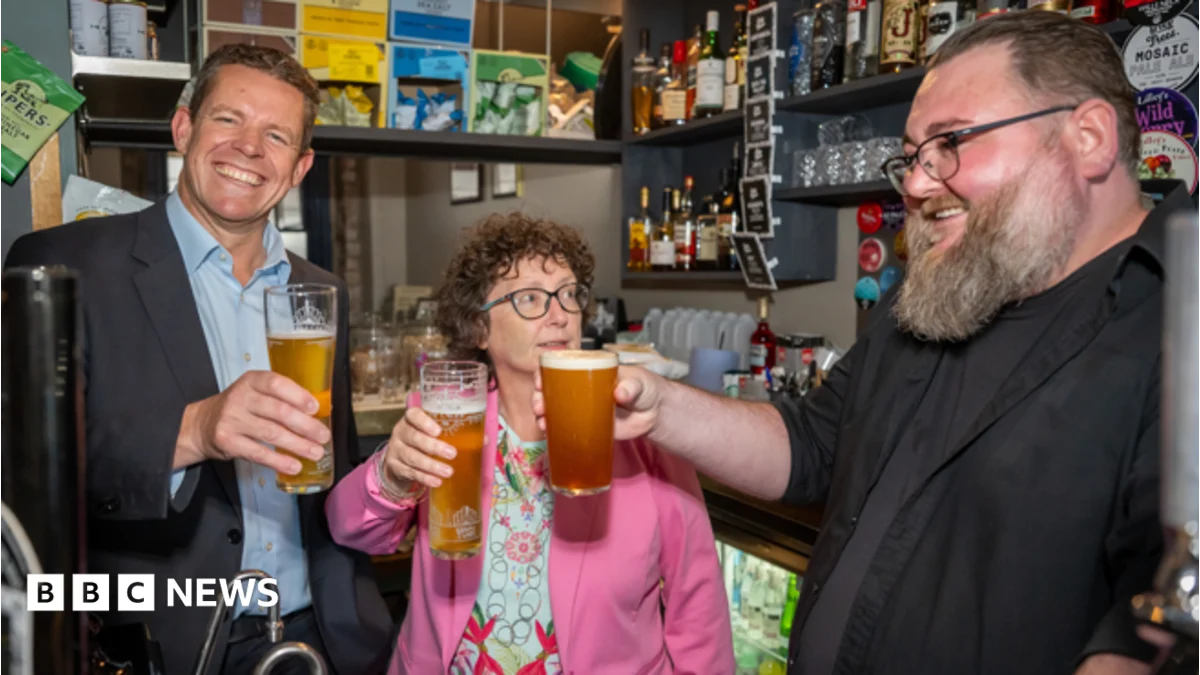
 Nakalama John
 atisusanti
 Roy Suryo
 Nana Banana