
 atisusanti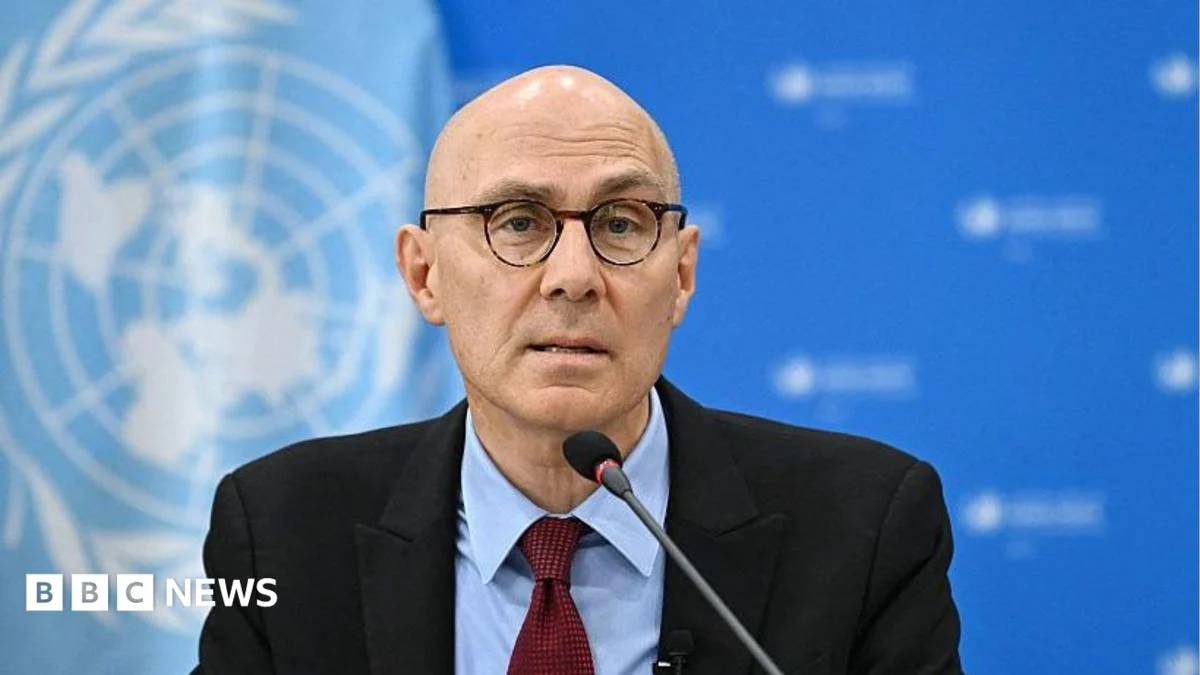
The agreement, reached on Wednesday, saw Meta consent to a series of changes designed to mitigate the negative impacts of its platforms, specifically targeting issues related to child safety and the design of its services. Crucially, Meta itself acknowledged that the true effectiveness of these reforms would be contingent upon widespread adoption. The company stated that these measures would only be "truly effective ‘if all our peers join us.’" This statement implicitly recognizes the interconnected nature of the social media ecosystem and the potential for a "race to the bottom" if some platforms lag in implementing responsible practices.
Attorney General Bonta elaborated on his strategic approach in an interview with the US news outlet CNBC. He expressed keen "interest" in engaging in direct discussions with TikTok and YouTube, two other dominant social media platforms with substantial youth user bases. Bonta revealed that initial outreach to TikTok had been met with a positive reception, with the platform indicating it was "interested in speaking with us." This suggests a potential willingness on the part of TikTok to explore a similar path to Meta, albeit through voluntary engagement rather than legal compulsion at this stage.
However, the broader landscape remains uncertain, as neither TikTok nor YouTube has issued formal responses or made public statements regarding these discussions since Bonta’s comments. The lack of immediate public commitment from these tech giants underscores the challenges in achieving industry-wide safety standards. Their silence, while not necessarily indicative of outright refusal, leaves room for speculation about their internal deliberations and the extent to which they might be prepared to concede to the demands for enhanced safety protocols.
Adding another layer to this developing situation, Attorney General Bonta also confirmed that he had been in communication with Snap, the company behind the popular messaging app Snapchat. Snapchat, like TikTok, commands a significant following among younger demographics, making its participation in any safety initiative of considerable importance. Bonta’s proactive engagement with Snap demonstrates a comprehensive strategy to address safety concerns across multiple influential platforms.
Despite the ongoing dialogue, Bonta issued a clear warning, underscoring his determination to see meaningful change. He asserted that he was "willing to take additional steps" if these companies did not voluntarily implement changes that align with the reforms Meta has agreed to undertake. This veiled threat suggests that legal avenues, similar to those pursued against Meta, remain on the table if persuasive diplomacy proves insufficient. The implication is that states are prepared to leverage their regulatory powers to compel compliance if voluntary cooperation falters.
The financial implications of the Meta settlement are substantial. On Tuesday, Meta agreed to a staggering penalty of up to $18 billion (approximately £13.3 billion) to be paid to 48 U.S. states, the District of Columbia, and three U.S. territories. This settlement is designed to address concerns over Meta’s past practices, particularly regarding how it has handled user data and designed its platforms in ways that could be detrimental to young users. The payment is scheduled to be disbursed over a ten-year period.
A significant portion of this financial penalty, amounting to $5.3 billion, is contingent upon the successful implementation of specific safety measures by both YouTube and TikTok. This structure creates a powerful incentive for these platforms to align with Meta’s commitments. The inclusion of this contingency highlights the states’ strategic intent to create a domino effect, where the financial consequences for Meta are directly linked to the willingness of its competitors to adopt similar safeguards. It also signifies that the settlement is not merely a punitive measure but a mechanism to drive systemic change within the social media industry.
The specific measures that YouTube and TikTok are expected to implement, and which are linked to the $5.3 billion contingency, are not detailed in the provided text but are implied to be a core component of the Meta settlement. These measures likely address critical areas such as algorithmic transparency, default privacy settings for minors, restrictions on targeted advertising for younger users, and enhanced tools for parental oversight. The UN’s call for more social media safety suggests that such measures should not be limited to a few platforms but become the de facto standard across the industry, ensuring a safer digital environment for all users, especially the most vulnerable.
It is important to note a key aspect of the settlement: Meta did not admit to any wrongdoing as part of the agreement. This is a common feature of large-scale legal settlements, where parties agree to resolve disputes without a formal admission of liability. While this allows for a swift resolution and the implementation of reforms, it also means that the legal basis for the lawsuit, and the alleged harm caused by Meta’s practices, has not been definitively adjudicated in a court of law. Nevertheless, the practical outcome is the commitment to significant changes in how Meta operates its platforms.
The broader implications of the Meta settlement, and the ongoing dialogue with other tech giants, are being closely watched by international bodies like the UN, child advocacy groups, and parents worldwide. The push for more robust social media safety measures is a global concern, and the actions taken in the United States are likely to influence regulatory efforts and industry practices in other regions. The UN’s implicit endorsement of these changes, and its call for their wider adoption, underscores the growing recognition of the need for a collective and coordinated approach to ensuring the well-being of individuals, particularly children and adolescents, in the increasingly complex and pervasive digital world. The success of this initiative hinges on the willingness of platforms like TikTok and YouTube to embrace these changes, and the continued resolve of state attorneys general to hold them accountable if they fail to do so.



 George Anjay
 Nakalama John
 Ramos Leo
 Roy Suryo
 Nana Banana