
 atisusanti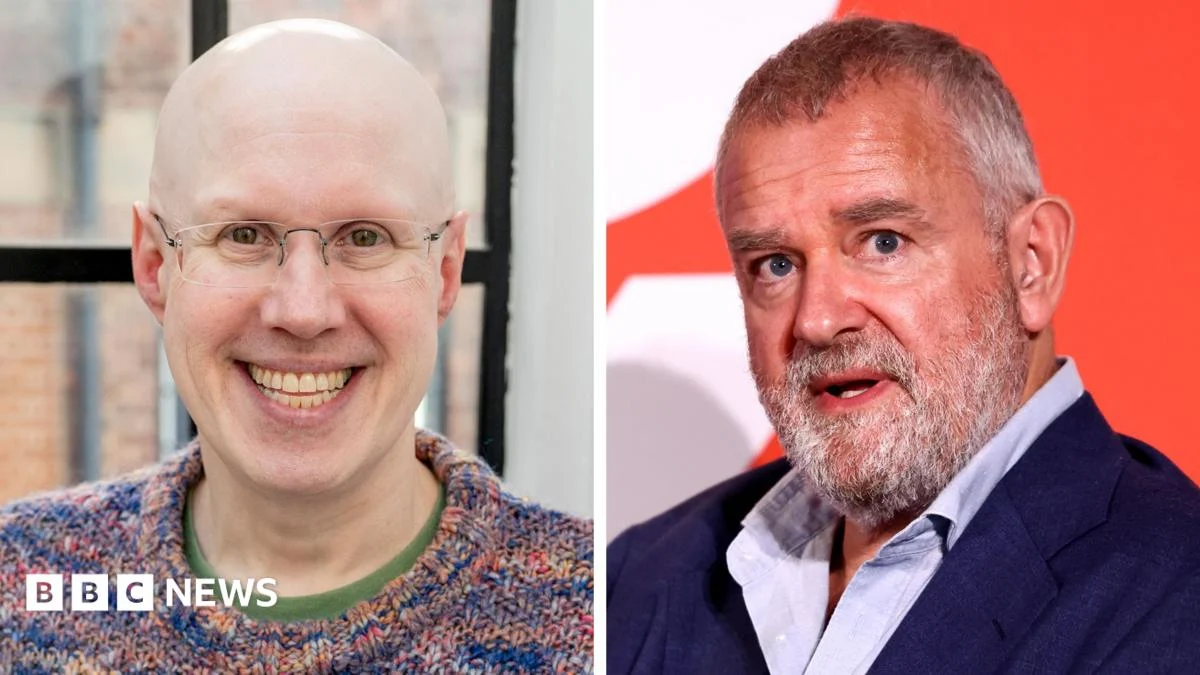
A chorus of prominent voices from the UK’s creative industries, including beloved actors Matt Lucas, Hugh Bonneville, and Nicola Coughlan, have united in a powerful appeal to the UK government, demanding urgent legislative action to safeguard individuals against the unauthorized use of their voices by artificial intelligence (AI). This collective outcry stems from a growing concern that current legal frameworks are woefully inadequate in protecting personal identity and intellectual property in the face of rapidly advancing AI technology, particularly the proliferation of AI-generated voice clones.
The campaign, spearheaded by a coalition of over 80 performers, has penned an open letter to Prime Minister Andy Burnham, urging the introduction of legislation that would enshrine a fundamental legal right for every citizen in the UK to own their voice. This proposed legislation aims to provide individuals with a clear and enforceable claim over their unique vocal identity, preventing its appropriation and exploitation without consent. The signatories argue that in the digital age, where voices can be meticulously replicated and disseminated globally in mere moments, such a right is no longer a luxury but a necessity for personal autonomy and professional integrity.
The creation of voice clones is a process that leverages AI’s ability to learn and mimic human speech patterns. By training sophisticated algorithms on extensive recordings of a person’s voice, AI can generate remarkably accurate imitations. While rudimentary versions can be produced with surprisingly little audio input – sometimes just a few seconds – creating high-fidelity replicas that are virtually indistinguishable from the original often requires hours of training data and advanced processing. This ease of replication, coupled with the potential for malicious use, has fueled the anxieties of those whose livelihoods depend on their vocal distinctiveness.
Alice Sockett, an audiobook narrator and a co-founder of the campaign, articulated the gravity of the situation, describing the rise of AI voice cloning as "an existential threat to our entire industry." Her personal experience underscores the vulnerability of creative professionals. "My voice is out there in the public domain but completely unprotected," she stated, highlighting the paradox of having one’s work accessible yet lacking the legal recourse to prevent its unauthorized duplication. The alarming trend of "voice theft," as she terms it, is reportedly increasing week by week, leaving many in the creative sector feeling exposed and powerless.
In response to the growing concerns, a government spokesperson acknowledged the dual nature of AI technology. While recognizing that "digital replicas can be a powerful tool, including for the creative industries," the spokesperson also conceded the "possibility for harm." This acknowledgment signals a potential shift in government policy, with the spokesperson further stating, "We value and protect human creators, and that is why we have announced we will launch a consultation on how we address these harms, while protecting legitimate innovation." This commitment to a consultation process offers a glimmer of hope for the campaigners, suggesting that the government is beginning to grasp the urgency and complexity of the issue.
The signatories represent a broad spectrum of the performing arts. Siobhán McSweeney, known for her role in the acclaimed television series Derry Girls, expressed her "deep worry" that the government’s response is lagging behind the rapid pace of technological advancement. She emphasized the importance of finding a collaborative approach to AI integration, stating, "There is a way to work alongside AI and to use it as a tool that benefits us rather than rendering us obsolete." McSweeney’s plea resonates with a broader sentiment within the creative community: a desire to embrace innovation without sacrificing the human element that defines artistic expression. She added, "Our audiences want that human connection. Not AI," underscoring the intrinsic value audiences place on authenticity and genuine human interaction.
The breadth of support for the campaign extends beyond acting. Renowned Scottish singer Sandi Thom, best known for her 2006 chart-topping hit "I Wish I Was a Punk Rocker (With Flowers in My Hair)," is among the signatories. Thom’s decision to lend her voice to the cause is rooted in a profound personal connection to her vocal instrument. She explained her motivation by stating that her voice is "unique to me and was handed to me at birth." She further elaborated on the emotional depth embedded within her voice: "Behind that voice is the emotion, the life, the pain, the tears and joy that I’ve felt along the way. Without creativity, we are nothing." Her words powerfully convey the idea that a voice is not merely a sound but a vessel for personal experience and artistic expression, deserving of protection.
This push for legal reform comes at a critical juncture, following warnings from legal experts just months prior that existing UK legislation had become "unfit for purpose" in the face of AI’s transformative capabilities. Dr. Mathilde Pavis, speaking in June, articulated the legal lacuna, stating, "The law comes close, but it doesn’t fully protect your voice, your face or your identity." This sentiment highlights the inadequacy of current laws, which were drafted in an era before the advent of sophisticated AI capable of replicating and manipulating human likenesses and voices with such fidelity.
However, the conversation surrounding AI voice cloning is not solely one of concern. The technology also presents profound opportunities for individuals facing challenges that affect their ability to communicate. For those who have lost their voice due to illness or medical conditions, AI voice replication offers a lifeline, enabling them to reconnect with loved ones and express themselves in ways previously unimaginable. Yvonne Johnson, who lost her voice due to motor neurone disease, shared her transformative experience with the BBC’s Tech Life programme in February. She described how having her voice cloned by AI had "totally blown her mind" and brought her closer to her family, who had begun to forget what she sounded like. This anecdote serves as a poignant reminder that AI voice technology, when used ethically and with consent, can be a powerful force for good, restoring connection and dignity.
In some instances, the application of AI technology has gone beyond voice replication to create comprehensive holographic representations of individuals. Pam Cronrath, from Washington state, utilized this advanced technology to deliver a moving surprise at her husband’s funeral. A digital avatar of her deceased partner addressed the mourners, providing a sense of presence and comfort during a time of profound grief. Cronrath shared her experience with BBC News, expressing her deep impression: "I was completely impressed. It stayed with me." This example illustrates the potential for AI to assist in remembrance and provide solace, albeit in a manner that raises complex ethical and emotional considerations.
The multifaceted nature of AI voice cloning, encompassing both potential threats to creative professionals and life-changing benefits for individuals with communication impairments, underscores the urgent need for nuanced and comprehensive legislation. The call from actors like Matt Lucas and Hugh Bonneville, backed by a significant portion of the UK’s creative talent, highlights the pressing demand for legal frameworks that can effectively navigate this rapidly evolving technological landscape, ensuring that innovation is balanced with the protection of individual rights and the preservation of human creativity. The government’s proposed consultation represents a crucial step, but the path forward requires careful deliberation to craft laws that are both robust and adaptable to the future of AI.


 George Anjay
 Nakalama John
 Ramos Leo
 Roy Suryo
 Nana Banana