
 Ramos Leo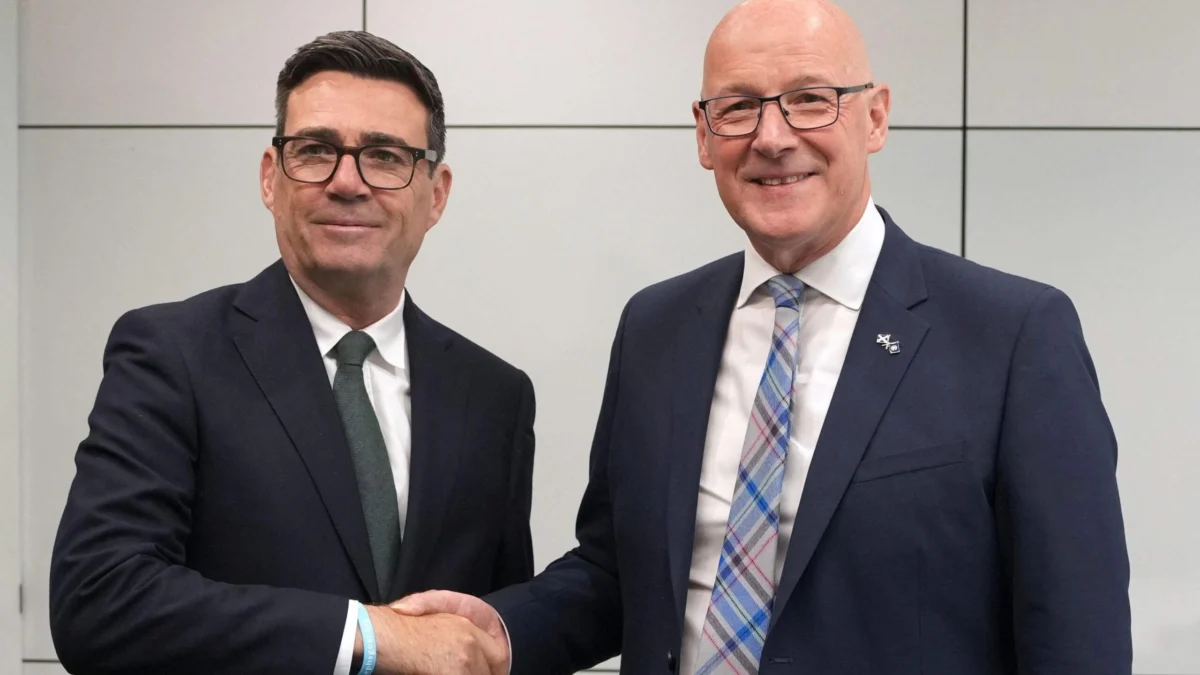
In a direct challenge to Westminster, First Minister John Swinney, who also leads the SNP, emphatically called upon the UK government to "respect the voice of the Scottish people and parliament and transfer the necessary powers" required to facilitate the holding of this pivotal vote. Swinney’s statement underscores the Scottish government’s long-held position that it possesses a democratic mandate, derived from recent election results, to offer the people of Scotland a choice on their constitutional future. This call for a Section 30 order, which would temporarily devolve the power to hold a referendum to the Scottish Parliament, sets the stage for a likely constitutional standoff between Edinburgh and London.
Since Scotland’s initial independence referendum in 2014, successive UK governments, regardless of party, have maintained a consistent and unwavering opposition to any further referendums on the matter. Downing Street, under Prime Minister Andy Burnham, recently reiterated this stance, firmly declaring that a fresh poll was "off limits." A spokesperson for the UK government articulated their position, stating: "The prime minister made clear to the first minister in their first meeting that another referendum on independence was off the table. It would take our focus away from growing the economy and helping families with the cost of living." This highlights the UK government’s argument that national priorities should currently revolve around economic stability and addressing cost-of-living challenges, rather than engaging in divisive constitutional debates. They affirmed their commitment to working collaboratively with the Scottish government and other partners to foster a fairer country for all within the existing union.

Scotland previously voted decisively against becoming an independent country in the 2014 referendum, with 55% opting to remain part of the UK and 45% voting for independence. That vote was widely described by unionists as a "once in a generation" event. However, the political landscape has significantly shifted since then, most notably with the UK’s departure from the European Union, a decision opposed by a majority of Scottish voters. This, among other factors, has fueled the SNP’s renewed drive for independence, arguing that the conditions under which Scotland voted in 2014 have fundamentally changed.
A critical legal hurdle emerged in 2022 when the UK Supreme Court ruled definitively that any further independence vote would legally require the explicit agreement of the UK government. This judgment affirmed that the power to legislate for a referendum on the union is reserved to Westminster, placing the Scottish government in a position where it cannot unilaterally hold a legally binding vote without a Section 30 order from the UK Parliament. The publication of this draft bill, therefore, is largely symbolic and a means of political pressure, demonstrating the Scottish government’s readiness should the necessary powers be granted.
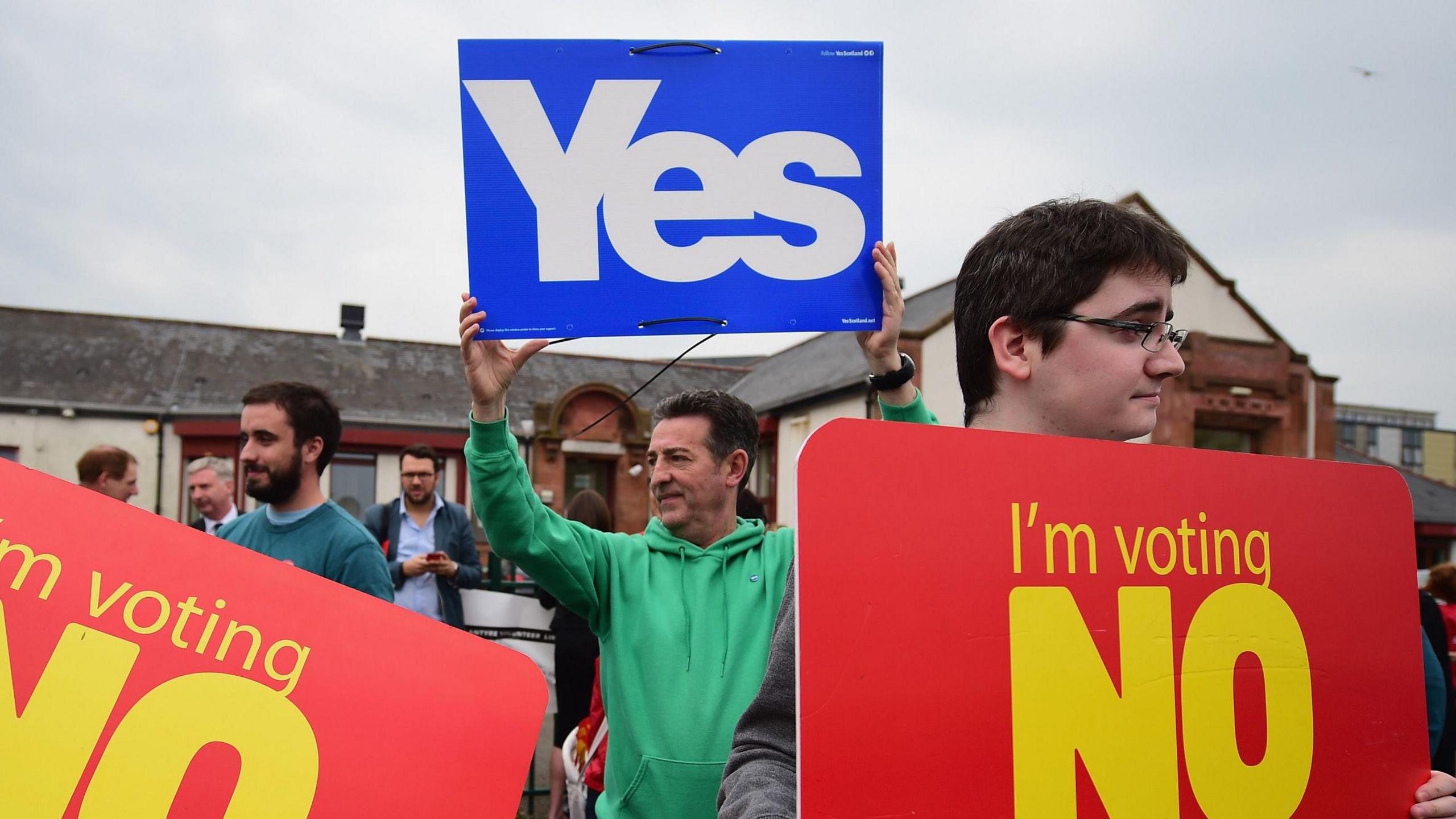
The proposed ballot paper for a potential second referendum, as laid out in the draft bill, would present a clear and straightforward question: "Should Scotland be an independent country?" Voters would then be asked to mark an "X" against one of two options: "Yes" or "No." This simple binary choice mirrors the format of the 2014 referendum, aiming to avoid ambiguity and ensure a clear expression of public will. The draft bill would only be formally introduced into the Scottish Parliament, Holyrood, and assigned a specific date for the referendum, once the Scottish government successfully secured the requisite approval from the UK government. Without this crucial consent, the bill, in its current form, cannot progress to become law.
The SNP had made a clear commitment in their manifesto for the most recent Scottish election in May to publish this draft legislation within their first 100 days in government. This commitment has now been fulfilled, reinforcing the party’s dedication to its core objective. First Minister Swinney articulated the rationale behind the renewed independence drive, stating: "The world has changed fundamentally since 2014. So has the UK, and so has Scotland." He further asserted, "Scotland is ready. The Scottish people are ready. It is time the UK government delivered." Swinney indicated that he would elaborate further on Scotland’s constitutional future in the forthcoming weeks, signaling a sustained campaign to keep the issue at the forefront of the political discourse. He passionately concluded, "Fundamentally, nobody will take better decisions about Scotland’s future than the people who live here. That future belongs to the people of Scotland – and no-one else." This statement encapsulates the core tenet of national self-determination that underpins the independence movement.
In line with the current legislation governing Scottish elections and the precedent set in 2014, the draft bill specifies that the electorate for a second referendum would include registered voters over the age of 16, as well as qualifying foreign nationals resident in Scotland. This broader franchise, which includes 16 and 17-year-olds and citizens from EU countries and beyond who reside in Scotland, is a distinctive feature of Scottish electoral law, reflecting a more inclusive approach to democratic participation than is typically seen in UK general elections.
Analysis from prominent electoral experts, such as Professor Sir John Curtice of Strathclyde University, earlier this year highlighted the persistent division within Scotland on the independence question. Sir John observed that Scotland "remained more or less divided down the middle on the subject," noting that while "sometimes yes is a little ahead of no, sometimes it’s the other way around," the "Yes" vote is "typically stronger than it was in the actual referendum." This suggests a hardening of support for independence, albeit without a decisive majority, indicating the ongoing volatility and deeply entrenched nature of the constitutional debate.

The ongoing tension between the Scottish and UK governments was recently underscored by a meeting between Prime Minister Andy Burnham and First Minister John Swinney ahead of the Commonwealth Games opening ceremony in Glasgow last month. Following that meeting, a Downing Street statement reiterated the Prime Minister’s firm stance: "The prime minister stated up front that another referendum on independence was off limits because it would take our focus away from growing the economy and helping families with the cost of living." This consistent message from Westminster underlines the significant hurdle the Scottish government faces in securing the necessary powers for a legally recognised vote.
The publication of the draft bill has, predictably, drawn sharp criticism from opposition parties within Scotland. Jackie Baillie, the acting leader of Scottish Labour, lambasted the move, stating: "The people of Scotland deserve far better than this failing SNP government that is more interested in empty gestures and grandstanding than it is in improving the lives of people across the country." This reflects Labour’s argument that the SNP’s focus on independence detracts from the pressing issues of public service delivery and economic welfare. Similarly, Scottish Conservative leader Russell Findlay called on First Minister Swinney to "abandon this tedious obsession and get on with the day job," echoing the sentiment that the Scottish government should prioritize devolved responsibilities over constitutional campaigning. These reactions highlight the deep ideological chasm that defines Scottish politics, with the constitutional question continuing to dominate and polarize the political landscape. The draft bill, while a clear statement of intent from the Scottish government, serves primarily to escalate the political pressure on Westminster, rather than setting in motion any immediate path to a new independence referendum.

 George Anjay
 Nakalama John
 atisusanti
 Roy Suryo
 Nana Banana