
 Nana Banana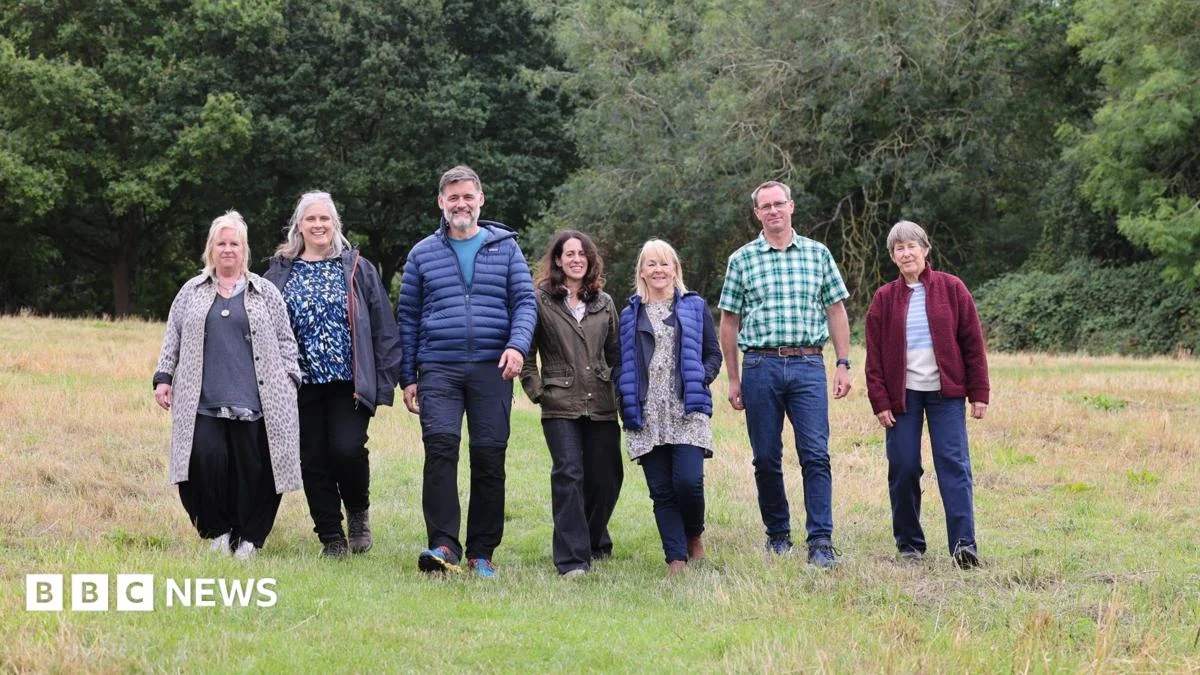
The initiative comes as a response to growing concerns over the rapid loss of natural landscapes and the increasing difficulty communities face in securing these invaluable assets. A spokesperson for the grant, identified only as Hill, articulated the pressing need for such support, stating, "We know there are people across Gloucestershire who desperately want to protect woodland or wildlife sites in their community, but when that land comes up for sale, they simply don’t have the time or resources to compete with a private buyer." This sentiment resonates deeply with countless grassroots organizations that tirelessly advocate for environmental preservation but are often hampered by financial constraints, complex legal processes, and the swift pace of property transactions.
The newly established fund is designed to bridge this critical gap, offering timely and targeted assistance. Hill further explained, "This funding means we can help them when it really matters. We can provide money to act quickly, bring in the legal and ecological expertise they need." The ability to act with speed is paramount in property markets, where delays can often lead to lost opportunities. Furthermore, the provision of expert legal counsel and ecological assessment ensures that communities are well-equipped to navigate the intricacies of land acquisition, understanding the environmental significance of a site and ensuring its long-term protection is legally sound. This holistic support system is poised to transform the prospects for community-led conservation efforts throughout the county.
Gloucestershire has seen numerous instances of communities rallying to protect their local green spaces, often against considerable odds. Recent success stories, which underscore both the determination of residents and the challenges they face, include the preservation of Daisybank, Lott Meadow, and Southcourt Green in Cheltenham. In the Stroud area, Juniper Hill Field and Heavens Valley also stand as testaments to collective action. These examples highlight a burgeoning movement of local stewardship, where residents are taking direct responsibility for the natural environments that enrich their lives and contribute to regional biodiversity.
One particularly high-profile case that captured public attention was the campaign to save Rodborough Fields, near Stroud. Here, a powerful public campaign successfully protected a significant woodland from potential development, ultimately bringing it into community ownership. John Bloxsom, chair of the Rodborough Fields and Frome Banks Preservation Group, expressed his approval of the new fund, stating, "It’s good news that a fund like this has been set up." His group’s own experience perfectly illustrates the double-edged sword of community acquisition – immense success coupled with ongoing challenges.
The Rodborough Fields and Frome Banks Preservation Group had previously achieved a remarkable feat, successfully purchasing nine acres of the beloved Rodborough Fields through an impressive crowdfunding campaign that amassed £200,000. This victory secured a vital portion of the landscape for public access and ecological preservation. However, the future of an additional 30 acres remains uncertain, having been put on the market this past summer. Bloxsom revealed that their latest bid to acquire this further parcel of land had been rejected in favour of a rival offer from an unknown party, a development that is "causing concern in the community." This ongoing struggle underscores the continuous need for resources like the new £1 million grant, which can provide communities with the financial leverage and expert support necessary to compete effectively in a competitive market, ensuring that crucial natural assets do not fall into hands that might not prioritize their long-term ecological health or public access.
Angela France, one of the directors at Daisybank CIC, a community interest company instrumental in saving a field in Cheltenham from development last year, echoed Bloxsom’s enthusiasm. She expressed her delight at the announcement of the new fund, emphasizing the profound importance of local green spaces in contemporary society. "Local green spaces are so important to us now," France observed, reflecting a widespread understanding of the benefits these areas provide for mental health, physical activity, and ecological resilience. She further noted a palpable increase in collective action, stating, "I see more and more local communities getting together to protect them."
Since successfully acquiring their land, Daisybank CIC has actively engaged the community in its stewardship. The group has organized numerous initiatives, including litter picking events to maintain the cleanliness and aesthetic appeal of the field, and butterfly counts, which serve as valuable citizen science projects contributing to ecological monitoring. An in-depth ecological survey has also been commissioned to inform the best strategies for maintaining the field, ensuring that local wildlife can thrive in a carefully managed habitat. Looking ahead, a community event is slated for October 24th, designed to gather diverse views and ideas on the future direction and management of the field, fostering a sense of shared ownership and collective responsibility among residents.
Beyond merely preventing development, the new fund has been strategically designed to contribute to broader nature recovery efforts across Gloucestershire. This involves not only preserving existing green spaces but also enhancing their biodiversity and ecological functionality, creating interconnected networks of habitats that support a wider range of species. Furthermore, a crucial objective of the grant is to address unequal access to nature, a pressing social equity issue. In many areas, access to high-quality green spaces is unevenly distributed, often disadvantaging vulnerable communities. By empowering local groups to secure and manage these spaces, the fund aims to ensure that the health and wellbeing benefits derived from nature are accessible to all residents, regardless of their postcode.
The Summerfield Charitable Trust, a key benefactor in this initiative, has played a pivotal role in bringing this vision to fruition. David Owen, chair of trustees at The Summerfield Charitable Trust, articulated the profound aspirations underpinning their investment. He stated that the initiative "has the potential to create a lasting legacy for nature, communities and future generations across Gloucestershire." Owen underscored the transformative potential of empowering communities at the local level. He added, "Through this investment, we hope to enable communities to act quickly when opportunities arise, protect important natural assets and create benefits for wildlife, health and wellbeing that will endure for many years to come."
This £1 million grant represents more than just financial aid; it symbolizes a strategic investment in the future health and resilience of Gloucestershire’s natural environment and the wellbeing of its residents. By providing the essential resources – financial, legal, and ecological – it empowers communities to become proactive stewards of their local landscapes, fostering a deeper connection between people and nature. The fund will not only safeguard precious woodlands and wildlife sites but also cultivate a legacy of community engagement, ecological restoration, and equitable access to nature that will benefit generations to come, ensuring that Gloucestershire’s green heart continues to beat strong.



 George Anjay
 Nakalama John


 Ramos Leo
 Roy Suryo