Nana Banana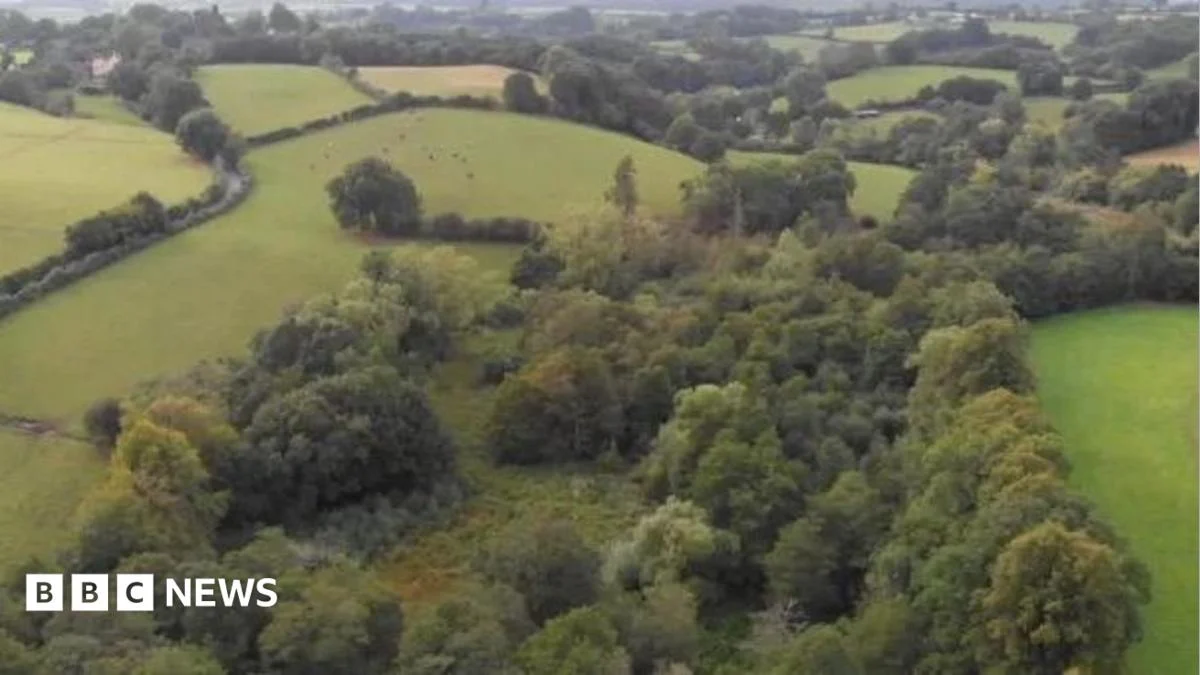
The newly acquired land encompasses a mosaic of crucial habitats, including an extensive area of wet woodland and marsh, alongside valuable pastureland situated strategically to the south of the meandering River Sow. This acquisition is not merely an increase in acreage; it represents a strategic opportunity to connect existing habitats, create new ones, and implement innovative ecological restoration projects that will benefit a diverse array of flora and fauna. The Trust plans to integrate these new areas seamlessly into the existing reserve, providing extended public footpaths that will allow visitors to explore a more expansive and varied natural landscape. Crucially, the expansion will also facilitate a comprehensive scheme designed to slow the flow of the river during periods of heavy rainfall, offering a natural solution to mitigate downstream flooding risks.
The transformative gift came from David Aldred, a long-standing and passionate supporter of the Staffordshire Wildlife Trust. His foresight and commitment to conservation, expressed through his will, exemplify the profound and lasting difference a legacy donation can make. Mr. Aldred’s generosity will ensure that future generations can enjoy and benefit from a thriving natural environment, leaving an indelible mark on the landscape of Staffordshire. Jeff Sim of Staffordshire Wildlife Trust articulated the significance of this contribution, stating, "This is fantastic news for wildlife and a wonderful example of how gifts in wills can create lasting change for nature." His words underscore not only the immediate benefits to the reserve but also the broader message about the power of individual philanthropy in driving large-scale conservation efforts.
Detailed plans for the newly acquired floodplain land are already taking shape, focusing on ecological restoration and sustainable land management practices. A key initiative involves the sensitive coppicing of mature alder trees. Coppicing, an ancient woodland management technique, involves cutting trees to ground level to stimulate new growth. This practice is vital for creating a diverse age structure within the woodland, allowing more light to penetrate the canopy and encouraging the growth of a wider variety of ground flora. The resulting varied habitat structure provides excellent nesting and foraging opportunities for a multitude of bird species, from warblers and finches to woodpeckers. It also supports a richer invertebrate population, which in turn forms the base of the food web for larger wildlife. Similarly, managing willow growth through targeted cutting and shaping will contribute to this habitat diversity, fostering specific ecosystems that thrive in damp, riparian environments. These efforts are expected to significantly enhance the biodiversity of the reserve, providing improved conditions for amphibians, reptiles, and a host of aquatic insects.
Under the Trust’s dedicated ownership, the expanded floodplain area will play a critical role in natural flood management. By allowing the River Sow to spread naturally across its floodplain during heavy rainfall events, the water’s energy is dissipated, and its flow is significantly slowed. This process not only reduces the volume and velocity of water heading downstream, thereby alleviating flood risk for communities further along the river, but also facilitates the deposition of nutrient-rich silts, enhancing soil fertility and creating dynamic new wetland habitats. Natural flood management techniques, such as reconnecting rivers with their floodplains, are increasingly recognized as cost-effective and ecologically beneficial alternatives to traditional hard engineering solutions. This scheme at Jackson’s Coppice will contribute significantly to regional resilience against the increasing frequency and intensity of extreme weather events driven by climate change.
The reserve’s expansion also promises enhanced opportunities for public engagement and enjoyment. The addition of new public footpaths across the newly acquired land will allow visitors to explore previously inaccessible areas of the reserve. This means a greater variety of trails, offering different perspectives on the diverse habitats and increased chances for wildlife spotting. From quiet walks through the wet woodlands to observing the dynamic life of the marshlands, the expanded network of paths will deepen the connection between people and nature. The Trust emphasizes the importance of these connections, recognizing that public access fosters appreciation, education, and ultimately, a stronger desire to protect these precious natural spaces. The new trails will be designed to be accessible where possible, ensuring that a wider range of the community can experience the tranquility and beauty of Jackson’s Coppice.
Jeff Sim further elaborated on the long-term vision for the expanded reserve, stating, "We can restore habitats on a much bigger scale, making more of a difference to the wildlife that relies on these places to live, feed and breed." This statement highlights the principle of ecological connectivity – the idea that larger, interconnected habitats are more resilient and support a greater diversity of species than fragmented, smaller ones. The doubling in size of Jackson’s Coppice will create a more robust and self-sustaining ecosystem, capable of supporting larger populations of sensitive species and offering greater refuge from external pressures. For instance, species like otters and water voles, which require extensive and undisturbed riparian habitats, will find a more secure home within the expanded boundaries. The increased area will also provide crucial breeding grounds for migratory birds and overwintering sites for various waterfowl.
The Staffordshire Wildlife Trust has a long-standing commitment to protecting and enhancing the natural heritage of the county. Jackson’s Coppice and Marsh Nature Reserve has been a cornerstone of their efforts, representing a vital wetland and woodland ecosystem within a predominantly agricultural landscape. The original reserve already boasts a rich tapestry of life, including diverse insect populations, various bird species, and rare plants. This expansion builds upon that foundation, creating a more ambitious and impactful conservation project. The Trust envisions the expanded reserve becoming a beacon for nature recovery in the region, demonstrating best practices in habitat management, flood alleviation, and community engagement.
Beyond the immediate benefits to Jackson’s Coppice, this generous legacy donation serves as a powerful example of how individual actions can contribute to national and international conservation goals. In an era where biodiversity loss is a critical global challenge, the creation and expansion of protected areas like Jackson’s Coppice are more vital than ever. They act as ecological strongholds, providing sanctuary for species under threat and serving as living laboratories for environmental research and education. The UK, like many nations, is working towards ambitious targets for nature recovery, including protecting 30% of its land for nature by 2030. Projects like this significant expansion in Staffordshire contribute directly to achieving such crucial objectives.
The next phases for Jackson’s Coppice will involve detailed ecological surveys to inform the precise restoration plans, volunteer engagement in practical conservation tasks, and ongoing monitoring to track the success of the habitat improvements. The Trust will also likely seek further funding for the long-term management and maintenance of the expanded reserve, ensuring that David Aldred’s legacy continues to flourish for centuries to come. This incredible gift has not only doubled the physical size of Jackson’s Coppice but has also amplified its potential as a vibrant ecosystem, a community asset, and a powerful symbol of hope for nature’s future in Staffordshire.



 George Anjay
 Nakalama John
 Ramos Leo