
 Roy Suryo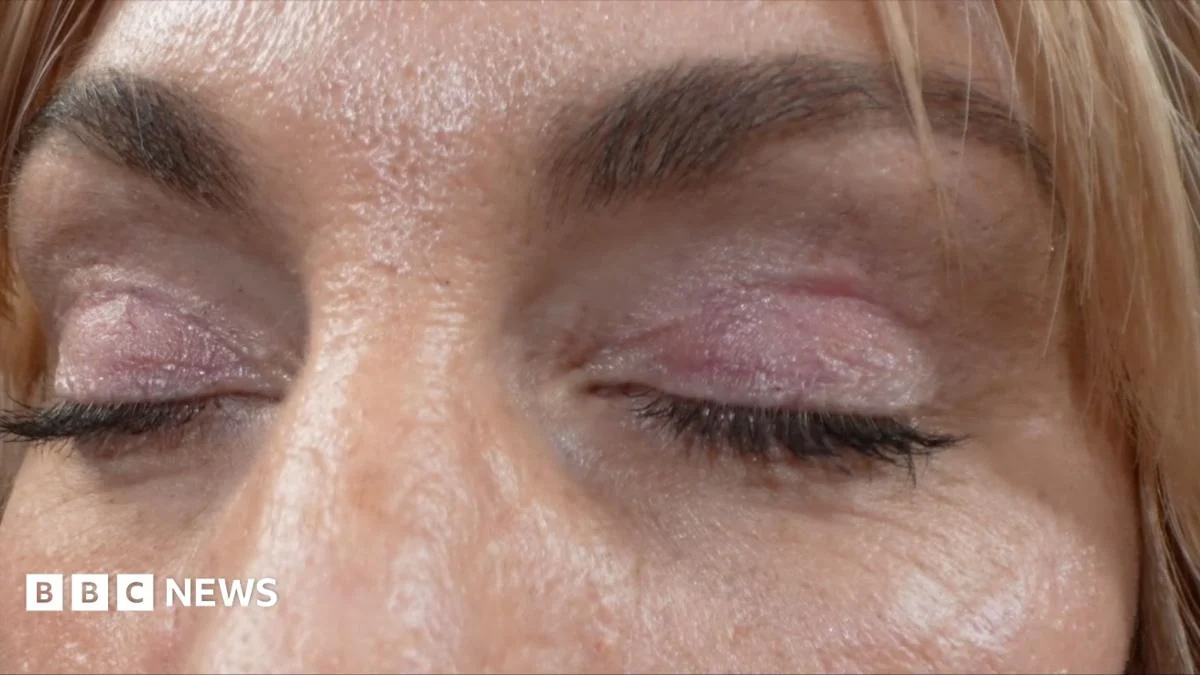
Doctors specialising in surgery around the eyes are sounding a stark alarm, reporting a concerning surge in patients presenting with severe complications stemming from what they term "cheap" or "bleph" surgery, predominantly undertaken abroad. This alarming trend, impacting numerous individuals, is leaving a trail of physical and emotional distress, forcing many to seek corrective treatment back in the UK after initial procedures went disastrously wrong. The gravity of the situation is underscored by the distressing accounts of women who have bravely shared their harrowing experiences, detailing how scarring has failed to heal properly, leading to persistent pain and a pervasive fear that has profoundly disrupted their lives.
The term "bleph," a colloquialism for blepharoplasty, the surgical procedure to improve the appearance of the eyelids, has become a red flag for ophthalmic surgeons witnessing a growing epidemic of botched operations. These procedures, often advertised with tantalizingly low prices, are frequently performed in countries with less stringent regulatory oversight, offering a seemingly attractive but ultimately perilous alternative to established surgical practices. The allure of affordability, coupled with the promise of a quick aesthetic fix, has led many individuals, primarily women, down a path of irreversible damage and ongoing suffering.
One of the most prevalent and distressing complications reported is infection. The delicate tissues of the eyelids are highly susceptible to microbial invasion, and when surgical sites are not maintained under sterile conditions, or when post-operative care is inadequate, the risk of infection escalates dramatically. Patients describe the agonizing symptoms of infection, including intense pain, swelling, redness, and discharge, which can become a constant and debilitating presence. The fear of infection, a formidable threat to vision itself, often creates a psychological burden, leading to a profound and debilitating fear of sleeping. The act of closing the eyes, a natural and necessary period of rest, becomes fraught with anxiety, as patients dread the potential exacerbation of pain and the progression of the infection.
Beyond immediate infections, the long-term consequences of poorly executed blepharoplasty are equally devastating. Scarring, a natural part of any surgical healing process, can become hypertrophic or keloidal when the surgical technique is flawed, the wound is improperly closed, or the patient has a predisposition to such scarring. These raised, thickened, and often discolored scars can not only be aesthetically displeasing, negating the intended cosmetic outcome, but can also lead to functional impairments. The skin around the eyelids is incredibly thin and elastic, crucial for proper eyelid closure and protection of the eye. When this delicate tissue is compromised by aggressive surgery or improper scarring, it can result in ectropion (the outward turning of the eyelid) or entropion (the inward turning of the eyelid), conditions that can cause chronic irritation, dryness, and even damage to the cornea.
The stories emerging from these patients paint a grim picture of the reality behind the glamorous promises of affordable cosmetic surgery. One woman, who wishes to remain anonymous, recounts her decision to travel abroad for what she believed was a simple eyelid lift. "I was lured by the incredibly low price," she explains, her voice trembling with emotion. "I saw all these smiling faces on the clinic’s website. I thought it was a bargain." Her optimism quickly evaporated upon returning home. Within days, her eyelids became red, swollen, and incredibly painful. "It felt like sandpaper was constantly rubbing against my eyes," she recalls. "I couldn’t open them properly, and the pain was unbearable. I was terrified to sleep because I thought it would get worse." The infection, she later learned, was severe and required intensive antibiotic treatment and several follow-up procedures to manage the resulting scarring and inflammation.
Another patient, Sarah, a 45-year-old mother of two, shared a similar ordeal. "I wanted to look a bit more refreshed," she said. "My eyelids were starting to droop, and I felt it was making me look tired all the time. The clinic abroad promised a quick recovery and amazing results." Her experience, however, was a nightmare. The stitches were removed too early, and the wound began to reopen, leading to a significant infection. "I was crying from the pain," Sarah confesses. "My eyelids were so swollen, I could barely see. The fear of losing my vision was constant. I was so scared to sleep, I would stay up all night, just dabbing at the discharge with a clean cloth, praying it wouldn’t get any worse." She eventually sought help from a leading ophthalmic surgeon in London, who spent months working to repair the damage and manage the scarring. "It’s not just the physical pain," Sarah emphasizes, "it’s the emotional toll. I felt so foolish for falling for it, and I was ashamed. It took me a long time to even tell my husband what had happened."
Ophthalmic surgeons are increasingly vocal about the dangers of this trend. Dr. Eleanor Vance, a consultant oculoplastic surgeon at a renowned London hospital, has seen a significant increase in patients presenting with these complications. "We are seeing a disturbing pattern of severe infections, significant scarring, and even vision-threatening issues stemming from procedures performed by unqualified individuals or in unregulated environments," she states. "These are not simple cosmetic procedures; they involve delicate anatomical structures. The eyelids are incredibly complex, and surgery in this area requires specialized knowledge and meticulous technique."
Dr. Vance explains that the initial cost savings of traveling abroad often pale in comparison to the cost of corrective surgery and long-term care. "Patients often come to us in a state of distress, requiring complex reconstructive surgery to correct the damage. This can involve skin grafts, scar revision, and extensive post-operative management. The financial burden of these corrective procedures, coupled with the emotional trauma and potential for permanent disfigurement or vision loss, is immense."
The regulatory landscape surrounding cosmetic surgery, particularly when performed internationally, is a significant contributing factor to this crisis. While some countries have robust regulations and high standards for medical practitioners, others do not. This disparity allows for the proliferation of clinics that may prioritize profit over patient safety, employing less experienced surgeons or cutting corners on sterile practices and post-operative care. The online advertising of these services, often featuring heavily edited before-and-after photos and testimonials, can create a misleading impression of safety and efficacy.
The psychological impact of these botched surgeries cannot be overstated. Patients who sought to enhance their appearance often find themselves with a more significant aesthetic problem, coupled with chronic pain and a loss of confidence. The fear of sleeping, a fundamental human need, can lead to severe sleep deprivation, exacerbating anxiety and depression. The feeling of betrayal, having entrusted their well-being to practitioners who ultimately caused harm, adds another layer of emotional distress.
Specialists are urging potential patients to exercise extreme caution and to prioritize safety and qualified medical expertise above all else when considering any form of eyelid surgery. They emphasize the importance of thorough research, checking credentials, and seeking consultations with experienced and reputable surgeons, ideally those who are members of recognized professional bodies. A detailed discussion about the risks and benefits, a clear understanding of the recovery process, and a commitment to comprehensive post-operative care are paramount.
The narrative of "cheap bleph" surgery abroad is a cautionary tale that highlights the critical importance of informed consent, rigorous regulatory oversight, and the unwavering commitment to patient safety in the field of cosmetic procedures. As more women bravely come forward to share their stories, the hope is that their experiences will serve as a powerful deterrent, preventing others from falling victim to the deceptive allure of bargain-basement surgery and ensuring that the pursuit of aesthetic improvement does not lead to irreversible harm and a lifelong fear of closing one’s eyes. The fight for proper healing, for restored confidence, and for the return of restful sleep continues for these brave individuals.




 George Anjay
 Nakalama John
 atisusanti
 Ramos Leo