Roy Suryo
The menstrual cycle, typically lasting between 21 and 35 days, is a complex biological process. It can be broadly divided into four distinct phases: the Menstrual Phase, characterized by bleeding that lasts three to seven days; the Follicular Phase, where the body prepares for the release of an egg from the ovaries; the Ovulation Phase, occurring around the midpoint of the cycle with the release of a single egg; and the Luteal Phase, during which the body prepares for a potential pregnancy, and if fertilization doesn’t occur, the cycle begins anew.
‘A trend based on marketing’

Kelly McNulty, a researcher at Leeds Beckett University specializing in menstrual cycles and exercise, acknowledges that some women do experience changes in their symptoms, energy levels, or perceived strength throughout their cycle. However, she emphasizes that this is distinct from evidence suggesting all women should train in a specific way at particular points. McNulty cautions that these viral videos represent "a trend based on marketing rather than any kind of research or evidence," stating unequivocally, "There isn’t any research to support that kind of phase-based prescription."
A significant challenge with generalized cycle-syncing advice is the inherent individuality of menstrual cycles. McNulty highlights that cycles can vary considerably between women, and even an individual woman’s experience can fluctuate from one cycle to the next. This makes the blanket recommendations often disseminated on social media difficult to apply universally. Furthermore, many cycle-tracking apps and programs are designed around relatively regular menstrual cycles of 21 to 35 days, potentially limiting their applicability for individuals with irregular periods or those using hormonal contraception. McNulty’s advice is to focus on "working with your own individual body and what your needs might be," rather than adhering to rigid exercise prescriptions for specific phases.
The proliferation of these trends is evident in the sheer volume of content online. Screenshots of TikTok search results reveal a plethora of videos where content creators recommend women align their workouts with their menstrual cycles. This has led to a significant increase in discussions and advice surrounding this topic.

Intuitive changes rather than strict plans
Cesci Burgoyne, a nurse based in Sydney, Australia, who is also a qualified personal trainer and nutritionist, adopts a more intuitive approach to her training. She adjusts her workouts based on how she feels during different phases of her cycle, rather than following a prescriptive plan. Burgoyne explains, "In my luteal phase I’ll try and ease off in the training. In my follicular phase, I’m so energised, I feel like I can lift so much heavier. I like to try and get my long runs in."
Burgoyne also commends the growing attention being paid to women’s health, noting that historically, exercise and nutrition research has predominantly focused on male bodies, with findings then often extrapolated to women. This imbalance has contributed to a gap in understanding and addressing the specific physiological needs of women.

Fitness creator Sarah Mackay, widely known as @liftwsarah on Instagram and TikTok, has also observed fluctuations in her energy levels, motivation, menstrual cramps, and mood throughout the month. However, she deliberately avoids strict training plans, explaining that "there are too many variables at play." Mackay points out that some online plans advise women to avoid intense training during their period, yet she has personally achieved personal records while menstruating. She clarifies, "The problem is not that the menstrual cycle is irrelevant," but rather that "not everything is predictable." This highlights the importance of individual response over generalized guidelines.
The ‘nocebo’ effect
Dr. Faye Bate, a medical doctor and women’s health expert, expresses caution regarding advice that mandates all women train differently according to their menstrual phase. She states, "A one-size-fits-all model of ‘you should be exercising this way in this phase and a different way in a different phase’ shouldn’t be advice that applies to all women." Dr. Bate is concerned that the constant suggestion that women are likely to be weaker or less capable at particular points in their cycle could inadvertently create a "nocebo" effect – where negative expectations can influence an individual’s actual feelings or performance.

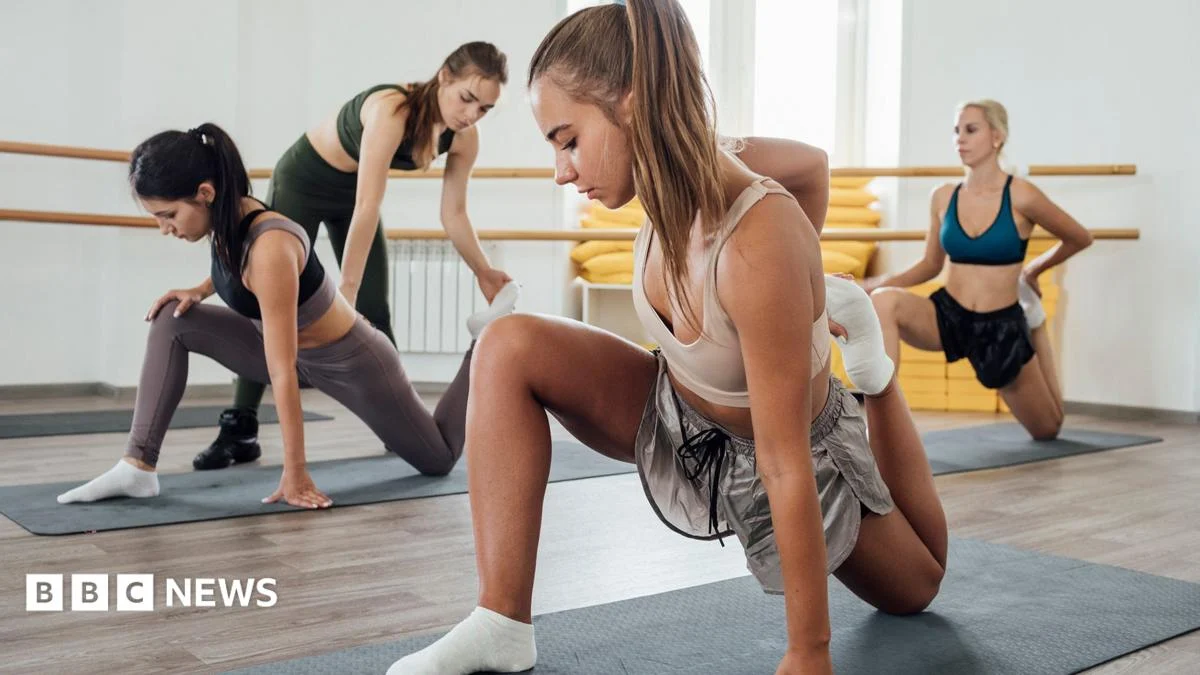
McNulty further elaborates that routinely reducing resistance training could potentially hinder progress. Strength training is particularly crucial for women, given their increased risk of developing osteoporosis later in life. Building strength necessitates consistent and progressively challenging training, and McNulty warns, "we don’t want to create another barrier by suggesting women train less for almost half the month."
Dr. Bate also advises against normalizing severe menstrual symptoms. If pain, fatigue, or mood changes significantly interfere with exercise or daily life, she strongly recommends seeking medical advice rather than assuming these are inevitable aspects of the menstrual cycle.
How to be ‘cycle-aware’

While the concept of strict ‘cycle-syncing’ may lack robust scientific backing, the experts consulted universally advocate for being ‘cycle-aware’. McNulty suggests that tracking one’s cycle can be a valuable tool for understanding personal patterns. Similarly, Dr. Bate encourages women to become more attuned to how they feel at different points in the month. Both experts welcome the increased openness surrounding menstrual health discussions but stress that the focus should remain on individual experiences rather than rigid, phase-based rules.
In practical terms, this ‘cycle-awareness’ might involve having pain relief readily available before the onset of menstruation, opting for a rest day when symptoms are particularly challenging, or scaling back a workout if experiencing unusual fatigue. As Dr. Bate succinctly puts it, "the most important part is tuning in to how you feel." Essentially, the menstrual cycle should be used as a source of information to inform choices, rather than a set of prescriptive rules. This approach empowers individuals to make informed decisions about their health and fitness, respecting their unique physiology and experiences. The ongoing conversation around menstrual health is vital, and promoting a nuanced, individualized approach, rather than a one-size-fits-all solution, is key to supporting women’s well-being.



 Nakalama John
 George Anjay