Roy Suryo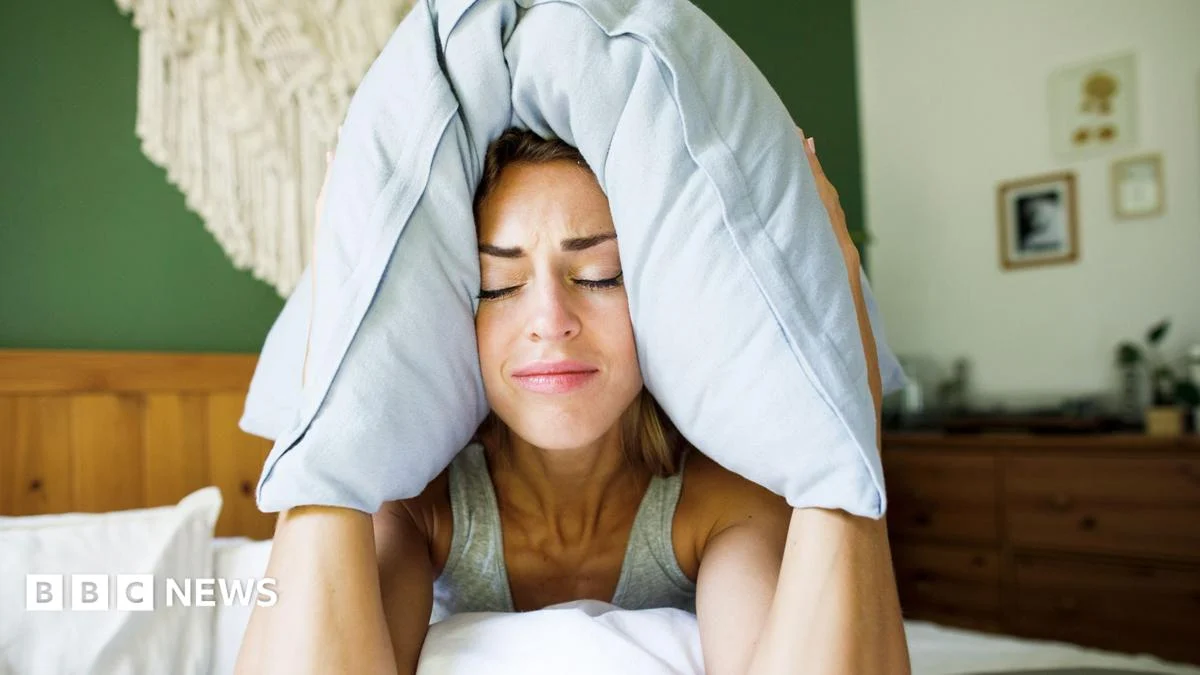
The subtle rumble that emanates from your partner’s side of the bed might seem like an innocuous, albeit annoying, nightly occurrence. However, the persistent disruption of your sleep due to their snoring can have profound and far-reaching consequences for your physical and mental well-being, stretching beyond mere irritation to affect your overall health and the very fabric of your relationship. Sleep is not a passive state; it is a dynamic and vital process that underpins countless bodily functions, and when it is consistently compromised, the repercussions can be significant. Crucially, sleep plays a pivotal role in regulating the brain systems responsible for managing stress and emotional responses. When the restorative power of uninterrupted sleep is denied, these delicate systems can become imbalanced, leading to heightened irritability, a diminished capacity to cope with everyday stressors, and a general feeling of being on edge.
This is a reality Meg Warren, a 29-year-old charity media officer, intimately experienced during her previous relationship. The relentless snoring of her former partner became a nightly ordeal, a sonic assault that robbed her of precious sleep. “Without fail, after a snoring-induced wake up I would feel on incredibly high alert,” she recounts, describing a state of heightened anxiety that left her feeling wired and unable to return to a restful slumber. The nightly ritual involved Meg’s attempts to rouse her partner, prodding him throughout the night and employing gentle coaxing to encourage him to shift from his back to his side, hoping for a temporary reprieve. The consequences of this sleep deprivation were palpable. Meg would wake up feeling disoriented and heavy, describing the sensation as akin to a persistent hangover. “I would wake up feeling groggy and dazed, sometimes so much so that it would feel like a hangover,” she explains, painting a vivid picture of the debilitating fatigue that permeated her days.
The constant battle against snoring not only affected Meg’s physical health but also placed a considerable strain on her relationship. The unspoken tension and the sheer exhaustion created a chasm that threatened their connection. Meg candidly admits, “I always said if we lived together we’d have to have a spare bedroom for the nights of truly unbearable snoring,” a statement that highlights the extreme measures she felt were necessary to preserve both her sanity and the relationship itself. This sentiment is echoed by Simon, a sleep expert, who underscores the multifaceted impact of a partner’s snoring on a relationship. He explains that broken sleep, a direct consequence of a partner’s snoring, can foster irritability, escalate into frequent arguments, and, if the unfortunate decision to sleep in separate rooms is made, lead to a palpable reduction in intimacy, further distancing the couple.
The good news, however, is that this is not a battle that needs to be fought in silence or with resignation. Both Simon and Johal, another sleep health professional, emphasize that proactive steps can be taken to address the issue. The crucial first step, they both stress, is to accurately distinguish between simple snoring and a potentially more serious underlying condition: sleep apnoea. “What you don’t want to do is simply make someone quieter at night while potentially missing an underlying sleep-related breathing disorder,” Simon warns, highlighting the critical importance of a proper diagnosis. Sleep apnoea, a disorder characterized by repeated interruptions in breathing during sleep, can manifest through a range of concerning symptoms. These include noticeable pauses in breathing during sleep, episodes of choking or gasping for air at night, frequent awakenings, and persistent morning headaches.
If sleep apnoea is identified as the culprit, a range of effective medical interventions can be recommended. Simon explains that treatments can include the use of a Continuous Positive Airway Pressure (CPAP) machine, a device that delivers pressurized air to keep the airway open during sleep. In some more severe cases, surgical treatment might be considered. For individuals who are experiencing simple snoring, rather than sleep apnoea, lifestyle modifications can often make a significant difference. Simon suggests several strategies that can help reduce the intensity and frequency of snoring. These include weight loss, as excess weight can contribute to airway narrowing; cessation of smoking, which irritates the airways; reducing alcohol intake, particularly in the hours before bedtime, as alcohol relaxes the throat muscles; and adopting a different sleeping position, such as sleeping on one’s side rather than on the back, which can prevent the tongue from falling back and obstructing the airway.
Beyond these personal lifestyle changes, encouraging your partner to seek professional medical advice is a vital step. A consultation with a General Practitioner (GP) can provide initial guidance and, if necessary, a referral to a specialist. These specialists can delve deeper into the specific causes of snoring and offer tailored treatment plans. For instance, if nasal obstruction or allergies are identified as contributing factors, a specialist might recommend treatments to alleviate these issues. In some instances, a custom-fitted mouthguard may be prescribed. These devices are designed to gently reposition the lower jaw forward, thereby helping to keep the airway open and reduce snoring.
Johal offers a sobering perspective on the widespread issue of couples enduring snoring for extended periods, often to the detriment of their relationships and personal well-being. He states emphatically, “too many couples put up with snoring for too long,” underscoring the silent suffering that many endure. This prolonged toleration, he argues, inevitably impacts both the quality of their relationships and their overall sense of well-being. However, he concludes with a message of hope and empowerment. “The key thing is that there is help out there, it’s just tapping into it,” Johal asserts, emphasizing that the solutions are accessible and that taking that initial step to seek help is paramount. The journey to a quieter, more restful night’s sleep, and consequently a healthier and happier life, begins with recognizing the problem and actively seeking the support that is readily available. Ignoring the persistent disruption of sleep, especially when it stems from a partner’s snoring, is not just about enduring an annoyance; it is about safeguarding your health and nurturing the foundations of your most important relationships.




 Nakalama John
 George Anjay