atisusanti
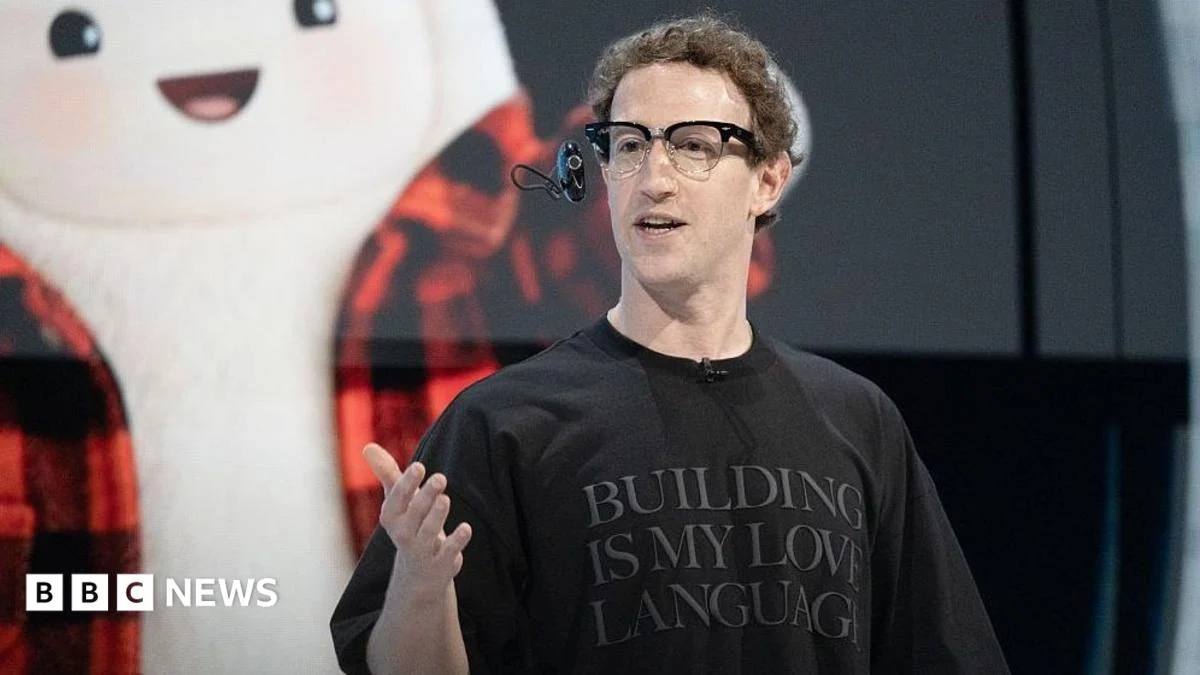
Meta has agreed to a new deal with chief executive Mark Zuckerberg, the "Founder Alignment Agreement," to proactively address potential financial repercussions from a proposed California state tax on billionaires, a move that could significantly impact his net worth and the company’s strategic direction. This agreement, finalized after "robust" and at times "contentious" negotiations, grants Zuckerberg, whose wealth is estimated to exceed $200 billion (£149 billion), an increased allocation of Meta shares. The primary objective of this complex financial maneuver is to offset a portion of the substantial tax liability he might incur if California’s ballot measure imposing a one-time 5% tax on residents with a net worth exceeding $1 billion gains voter approval in November. This proposed tax, if enacted, would likely necessitate Zuckerberg paying approximately $10 billion in additional state taxes, a figure that has evidently prompted significant strategic planning.
The proposed California wealth tax comes at a time when the state is home to a considerable concentration of the nation’s technology giants and an estimated 225 billionaires, according to the Americans for Tax Fairness campaign group. The wealth of these individuals, including Zuckerberg, has seen exponential growth in recent years, while his estimated effective tax rate in California has reportedly remained below 1% annually. This disparity has fueled discussions about wealth redistribution and the tax burden on the ultra-wealthy. Faced with the potential financial implications of the proposed tax, Zuckerberg had previously informed Meta’s board that he was contemplating relocating his primary residence out of California and even divesting his property holdings within the state, which include residences in Palo Alto and Lake Tahoe. He articulated to the board that such a move would be a public event, inevitably drawing attention and commentary from company employees, and would also raise questions for the company’s management moving forward.
In response to Zuckerberg’s concerns and to ensure his continued leadership and presence in California, Meta’s board opted to implement a strategic stock distribution mechanism. This involves the creation of an entirely new class of stock, through a process akin to a stock split announced on Wednesday, where one new share is issued to each existing shareholder. As one of Meta’s largest shareholders, and with a significant degree of control over the company stemming from the structure of his holdings, Zuckerberg stands to benefit substantially from this arrangement. The "Founder Alignment Agreement" is designed to provide him with more shares more frequently, and critically, the ability to sell them on a quarterly basis. While this distribution will not alter his control over Meta, it will significantly enhance his capacity to liquidate company value and generate liquid assets. The agreement is structured to remain in effect for eight years, contingent upon Zuckerberg’s continued residency in California, and appears to be operational regardless of whether the one-time wealth tax measure ultimately passes.
Meta has publicly framed this arrangement as a testament to the importance of retaining Zuckerberg’s leadership, particularly in light of the "dramatic and unprecedented transformation taking place in the tech industry and global economy related to artificial intelligence." The company’s communication highlights the critical role of AI development and the necessity of Zuckerberg’s continued presence in California to steer Meta through this pivotal era. The company also alluded to challenges experienced during the COVID-19 pandemic, during which Zuckerberg’s work from his extensive compound in Kauai, Hawaii, led to a period of decentralized operations. This period followed a significant surge in hiring during the pandemic, a whistleblower scandal that intensified scrutiny on child safety, and a strategic pivot towards building out the "metaverse," which culminated in the company’s rebranding from Facebook to Meta. These events preceded a period of mass layoffs and restructuring, with Meta’s headcount decreasing by 15% from the previous year, equating to the shedding of at least 10,000 employees.
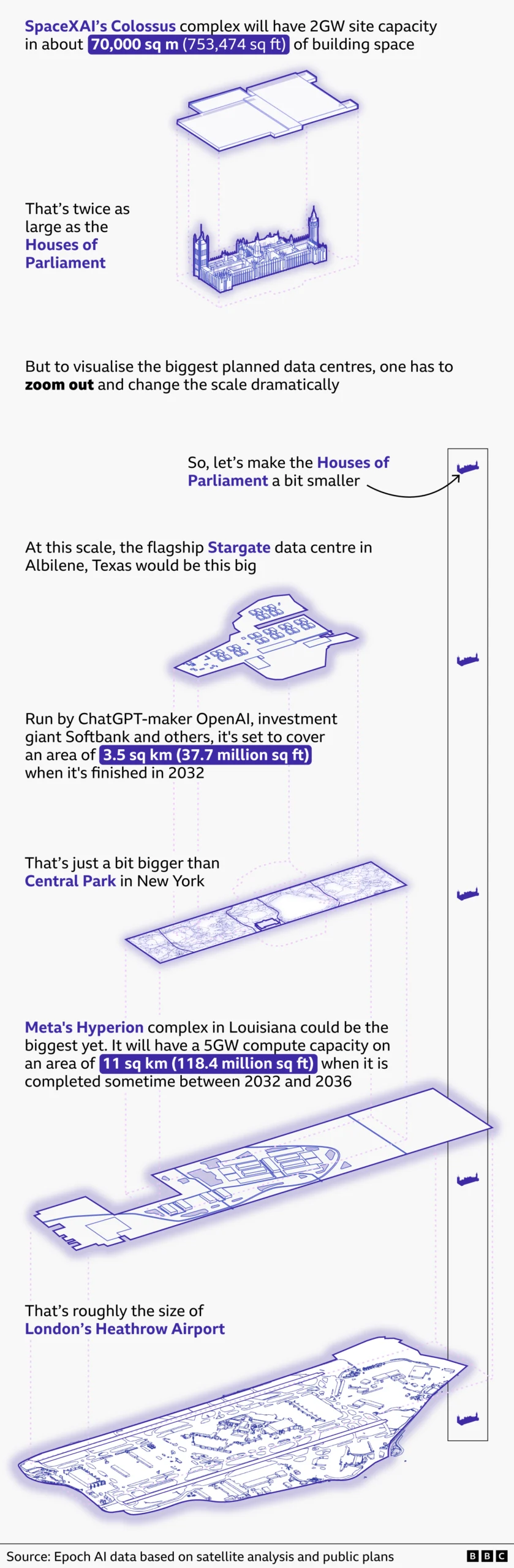
Currently, Meta has significantly shifted its strategic focus away from the metaverse, virtual platforms, and is now heavily invested in artificial intelligence products and related technologies. The company’s board views Zuckerberg’s leadership in the AI race as crucial for capitalizing on what they perceive as "tremendous market opportunity." This strategic emphasis on AI is occurring within an industry-wide surge of investment. Major tech companies are projected to collectively spend an estimated $1 trillion this year alone on AI development and the associated costly infrastructure, such as data centers. Meta’s commitment to this technological frontier is substantial, with plans to allocate as much as $145 billion this year to AI projects. The company has progressively increased its projected AI spending with each financial quarter of the current year.
The sheer scale of Meta’s investment in AI, without a clearly defined new revenue stream to directly support this expenditure, has had a tangible impact on investor sentiment. On Thursday, Meta’s shares experienced a notable decline of more than 7%, resulting in a reduction of over $100 billion in the company’s market capitalization, a key indicator of its overall value. This financial response underscores the market’s sensitivity to the company’s significant outlays in AI development. The company’s chief financial officer, Susan Li, indicated on Wednesday that a further benefit of the stock split would be to provide Meta with more avenues for financing its future AI initiatives, suggesting a sustained period of aggressive investment in the technology. The fact that Meta posted negative cash flow for the first time since its initial public offering 14 years ago – meaning it is currently spending more money than it is generating after accounting for operations and investments – further highlights the financial implications of its AI-centric strategy. The "Founder Alignment Agreement," therefore, serves not only as a measure to retain Zuckerberg and mitigate potential tax liabilities but also as a strategic tool to ensure the company’s financial flexibility as it navigates the highly competitive and capital-intensive landscape of artificial intelligence development.



 Nana Banana
 Roy Suryo

 George Anjay