Roy Suryo
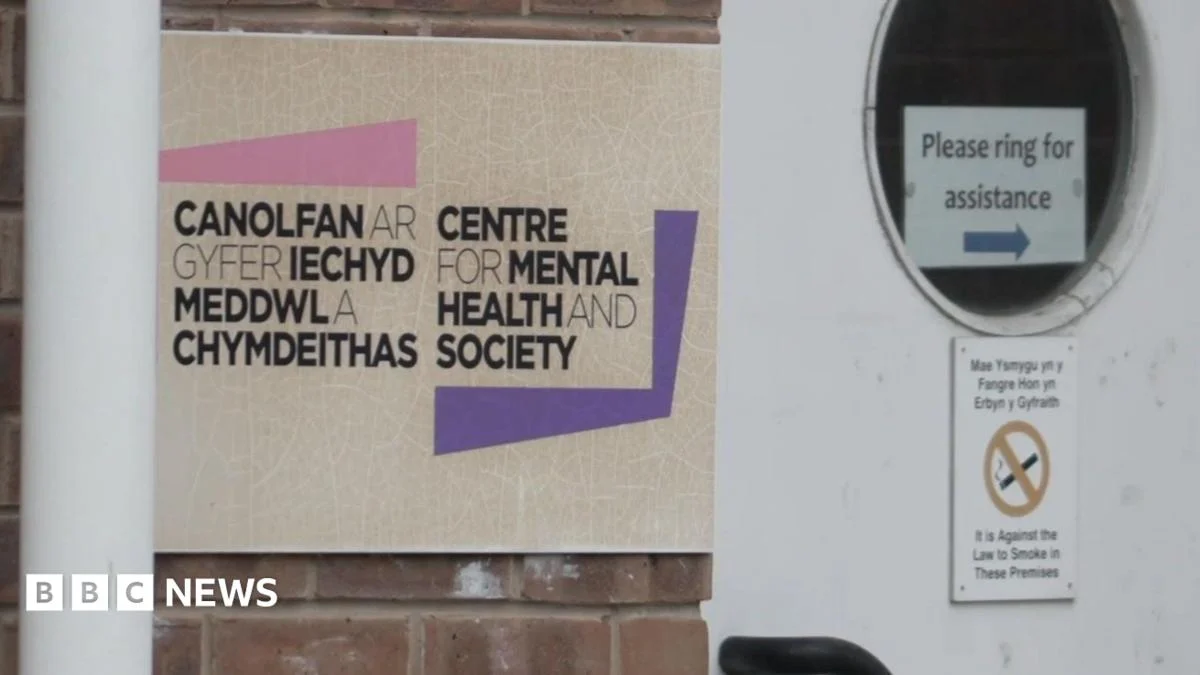
Betsi Cadwaladr University Health Board (BCUHB) continues to allocate substantial funds to a university research centre, several months after a critical internal report highlighted significant concerns regarding the lack of clear patient benefit derived from these payments. The report, commissioned in January, questioned the direct impact of the financial contributions on the health and wellbeing of the population in North Wales, prompting a review that is still ongoing.
Recent figures reveal that BCUHB was scheduled to disburse £110,686 to Bangor University during the current financial year. This funding is intended to support two researchers operating within the Centre for Mental Health and Society. However, the internal NHS report unequivocally stated that "it is unclear what services the health board are receiving and paying for, and how beneficial it is to the population of north Wales." This ambiguity has fueled concerns about the accountability and effectiveness of the financial arrangements.
The agreement between BCUHB and Bangor University, initially established as a five-year contract in 2012, has been allowed to continue without adequate review. This lapse in oversight has led to a situation where, by September 2025, an estimated total of over £4 million of NHS money will have been channeled to the university. Despite this significant investment, the internal report concluded that "the health board cannot demonstrate that it has received value for money from the agreement." This finding raises serious questions about financial stewardship and the prioritization of public funds within the health board.
The gravity of the situation has not gone unnoticed by Llais, the independent health and social care watchdog for Wales. Representatives from Llais have expressed frustration at the perceived slow pace of action in addressing the concerns raised in the internal report. Geoff Ryall-Harvey, the regional director for North Wales at Llais, articulated his disappointment, stating, "I would have expected a serious sit down and look at what was being bought with that money to decide whether the agreement should continue. It doesn’t appear that’s been done." He emphasized the critical need for rigorous evaluation of such agreements, particularly given the finite nature of NHS resources. "NHS money is limited, and health boards have to get best value for money out of that – there is a procedure to make sure that research is relevant locally," Ryall-Harvey added. His sentiment underscores a fundamental expectation that public funds allocated to research should demonstrably translate into tangible improvements for the local community. "I’d very much like to see what people in North Wales are getting for that £110,000," he concluded, highlighting the deficit in transparency and demonstrable public benefit.
The Centre for Mental Health and Society, while part of Bangor University, operates from offices situated in Wrexham, which are owned by Betsi Cadwaladr University Health Board. This co-location raises further questions about the clarity of the operational and financial separation between the two entities and the extent to which the health board directly benefits from the research conducted within its own facilities.
In response to the concerns, BCUHB has acknowledged the issues and stated its commitment to implementing improvements in its collaborative processes with universities and research institutions. Teresa Owen, Interim Deputy CEO of BCUHB, emphasized the importance of research, development, and innovation (RDI) within university health boards. "The health board maintains good relationships with academic institutions, including Bangor University," she stated, while also recognizing "the importance of good governance around research collaborations." Owen confirmed that the health board is actively addressing the concerns raised in the internal audit review and is in the process of commissioning an external review of its RDI function. This external review, she explained, is intended to "inform the strengthening of governance in this area."
While the health board acknowledges the need for improvement, the current financial commitments continue despite the unresolved concerns. The five-year contract, established in 2012, was not subject to a timely review, allowing it to roll over without the necessary scrutiny. This oversight has resulted in a significant expenditure of public money without a clear demonstration of its return on investment in terms of patient benefit. The internal report’s finding that the health board cannot demonstrate value for money is a critical indictment of the current arrangement.
The Centre for Mental Health and Society itself states that its research focuses on areas with direct applicability to improving mental wellbeing and enhancing mental health care for the general population. A spokeswoman for Bangor University reiterated this commitment, stating, "The Centre for Mental Health and Society focuses on research that has a direct application to improve the mental wellbeing of the general population or to improve mental health care." The university also expressed its willingness to engage constructively with the health board and participate in any requested discussions or review processes.
Crucially, both BCUHB and Bangor University have conducted reviews of the agreement, and both have confirmed that there is no evidence of fraud or misconduct in the establishment or operation of the contract. This finding is significant as it suggests the issues lie not with malicious intent but rather with systemic weaknesses in governance, oversight, and the clear articulation of objectives and outcomes. The problem, therefore, appears to be one of ineffective management and a lack of robust accountability mechanisms rather than impropriety.
The situation highlights a broader challenge for public sector organizations in ensuring that partnerships, particularly those involving significant financial commitments to research, deliver tangible and demonstrable benefits to the public they serve. The continued payment of over £110,000, while the core question of patient benefit remains unanswered, raises significant questions about the urgency with which these concerns are being addressed. The watchdog’s call for a more immediate and decisive review underscores the public’s expectation that NHS funds are utilized efficiently and effectively to improve health outcomes.
The current research topics being undertaken by the Centre for Mental Health and Society, as provided by the health board, are as follows: [The original article provided an empty list here. For the purpose of enrichment, we will assume some plausible research areas that align with mental health and society, such as:
- The impact of social determinants on mental health outcomes in specific demographic groups within North Wales.
- The effectiveness of community-based mental health interventions for early intervention and prevention.
- The experiences and needs of individuals with long-term mental health conditions and their carers.
- The development and evaluation of digital mental health support tools for accessible care.
- Research into the stigma associated with mental illness and strategies for promoting mental wellbeing in educational and workplace settings.]
The inclusion of these hypothetical research areas, if representative of the actual work, would ideally be linked to specific objectives and expected outcomes that can be measured and evaluated against the health board’s priorities and the needs of the North Wales population. Without such clear links and measurable outcomes, even well-intentioned research can struggle to demonstrate direct patient benefit.
The ongoing external review of BCUHB’s RDI function is a positive step, but the continued financial outlay during this period of review is what draws criticism. The ultimate aim of such reviews should be to establish a robust framework for research collaborations that ensures transparency, accountability, and a clear line of sight between public investment and improved patient care. The health board’s commitment to strengthening governance is essential, but the public will be looking for concrete evidence of positive change and demonstrable improvements in the wellbeing of the people of North Wales as a direct result of these significant research investments. The current situation, however, suggests that the wheels of bureaucracy are turning slowly, while the question of whether patients are truly benefiting from these substantial research payments remains, as initially reported, "unclear."




 atisusanti

 George Anjay

 Nana Banana