Nakalama John
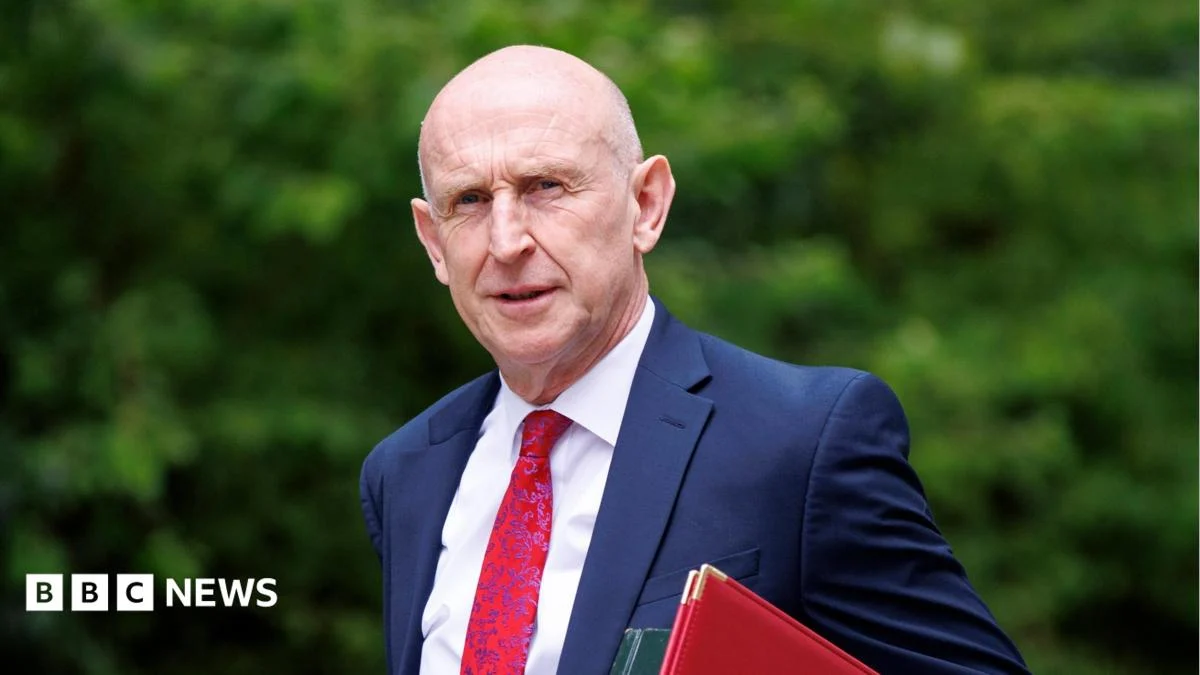
The forthcoming UK government Budget announcement on Wednesday holds significant implications for Wales, with Plaid Cymru leading calls for substantial additional funding for crucial public services and infrastructure. Welsh Finance Minister Elin Jones has been vocal in her demand for Chancellor John Healey to deliver spending plans that "finally treat Wales fairly," underscoring a long-standing grievance regarding perceived underinvestment. The Budget, which outlines Westminster’s tax and spending strategies for the upcoming year, is a pivotal moment for devolved nations, as increases in public service spending in England often trigger consequential funding uplifts for Wales through the Barnett Formula. This mechanism dictates that a proportion of any increase in UK government departmental spending on services devolved to Wales is automatically allocated to the Welsh government. A UK government spokesperson indicated the Chancellor’s focus would be on providing households and businesses with "a bit of breathing space where we can," amidst persistent cost-of-living pressures.

Plaid Cymru’s demands are multifaceted, targeting key areas of public provision and economic development. A primary focus is on railway infrastructure, with Elin Jones requesting the immediate release of £1bn from the £14bn long-term rail funding previously promised by the UK Labour government for Wales. This front-loading of investment is crucial for advancing critical projects such as the electrification of existing lines, capacity enhancements, and potentially new developments that could significantly improve connectivity within Wales and with the rest of the UK. Such investment is seen as vital not only for modernising an often-neglected rail network but also for stimulating economic growth, fostering sustainable transport options, and enhancing access to employment and services across the country. Beyond rail, Jones has sought additional financial support to help the Welsh government formulate its budget for the 2027-28 fiscal year. Currently, this budget faces the prospect of real-term cuts in day-to-day spending, which could severely impact the delivery of essential devolved services like healthcare, education, and local government functions. The Welsh Finance Minister has previously warned that the upcoming settlement could be the most challenging for the Welsh government since the height of the Covid-19 pandemic, exacerbating existing pressures on already strained public services.
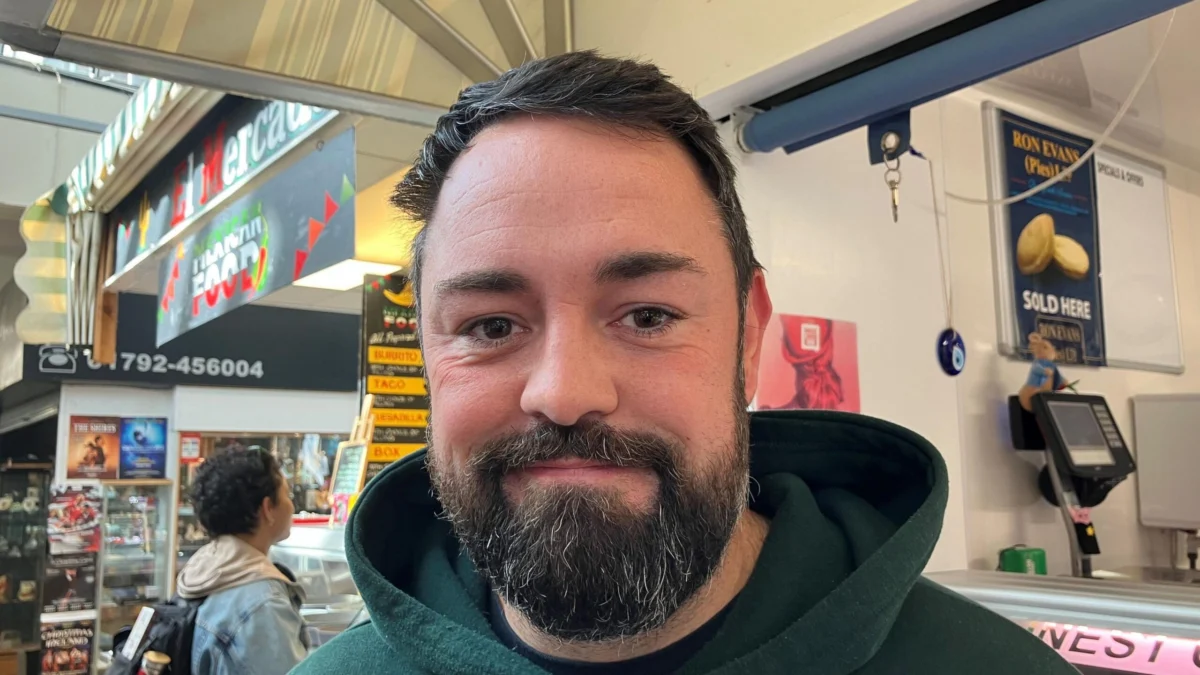
The sentiment on the ground in Wales mirrors these concerns, with shoppers and traders in one of the nation’s busiest markets, Swansea Market, highlighting the unrelenting cost of living as their paramount worry ahead of the Budget announcement. Louise, a shopper, articulated the widespread anxiety, stating, "Will we be able to see through the winter without having to borrow money? It’s quite a worry." Many echoed her sentiments, expressing apprehension about the colder months despite some having managed to save with their energy suppliers. The call for assistance with energy costs was a recurrent theme. Prices surged at the beginning of the month, and typical energy bills are projected to increase by a further 16% in January, largely due to global energy market volatility exacerbated by geopolitical events, including the conflict in the Middle East. For families like Richard’s, a dad-of-two from Swansea, the struggle is palpable. He lamented that his wages are failing to keep pace with escalating energy bills, forcing his family into "penny pinching towards the end of the month." He added that "things that we used to have as a bit of luxury are out of the question, days out with family cost a fortune," illustrating the erosion of disposable income for many households. Rural communities, heavily reliant on heating oil, have experienced particularly dramatic cost increases. The Chancellor has already taken a pre-emptive step by announcing the removal of import taxes on heating oil, a small measure aimed at providing some relief.

The UK government’s narrative, as articulated by the Chancellor, revolves around offering "breathing space" from cost-of-living pressures through a package of what he terms "everyday fixes." While specific details are awaited, any further support is expected to be limited and highly targeted towards the most vulnerable households. Another significant concern for Welsh families and businesses is the escalating cost of fuel. Petrol prices reached a four-year high in September, with diesel costs also soaring, directly impacting transportation and logistics. Gareth Evans, the fourth-generation owner of the Get Fresh stall at Swansea Market, highlighted the ripple effect of these costs: "It’s a struggle at the moment. We get costs passed on to us from our suppliers. We’ve also got vans ourselves and we supply caterers and diesel is very expensive." Emma, who operates a pet store, confirmed this cascading effect, explaining that rising operational costs necessitate price increases for her customers, demonstrating how "it goes down the line." She believes that many working individuals are now "struggling to live." In response to these pressures, the Chancellor is widely anticipated to freeze the planned increase in fuel duty, a measure that was initially reduced by 5p by the previous Conservative government in 2022 and has since been extended twice. This freeze, if confirmed, would provide some respite for motorists and businesses dependent on road transport.
Beyond immediate cost-of-living concerns, Plaid Cymru’s Elin Jones has also urged the UK government to support a flagship Welsh scheme designed to combat child poverty. The Welsh government is planning a trial, known as the Cynnal scheme, to provide 15,000 children in families receiving Universal Credit with £10 a week. This initiative is explicitly modelled on the successful Scottish government’s child payment, which has demonstrably contributed to a reduction in child poverty in Scotland. A crucial aspect of the Welsh ministers’ request is for the UK government to exempt these payments from tax and benefits calculations. Without this exemption, recipients could see their existing benefits reduced, effectively negating the positive impact of the Cynnal payment and undermining its primary objective. While discussions are ongoing, suggesting no immediate announcement on Wednesday, there is precedent for such an exemption, as it has already been granted for the Scottish scheme. This would require legislative action from Westminster, highlighting the intergovernmental cooperation needed for devolved social policy initiatives.

The Budget will also confirm the annual increase for the state pension. Given the "triple lock guarantee," which ensures the state pension rises by the highest of average earnings growth, inflation, or 2.5%, it is projected to exceed £13,000 annually, with the full, flat rate expected to increase by approximately £488 a year from April. This guarantee is a significant commitment to pensioners, though it presents long-term fiscal challenges for the Treasury. A related announcement confirms that pensioners relying solely on the state pension will be shielded from paying income tax, as the threshold typically stands at £12,570. The specific mechanisms for this protection will be detailed in the Budget. On working-age welfare, Chancellor Healey has been preparing Labour MPs for potential reforms to the benefits system, as indicated by a carefully framed speech at this year’s party conference. Reports suggest significant changes could be on the horizon for young people who are not in education, employment, or training (NEETs). However, these specific reforms are more likely to be unveiled after the Budget, following the publication of recommendations from former Health Secretary Alan Milburn, who is leading a review into welfare reform.
Political reactions across Wales underscore the diverse priorities for the upcoming Budget. Reform UK Senedd member Cai Parry Jones asserted that his party would "stop using Welsh people as cash cows," advocating for policies such as building an M4 relief road, scrapping family farm tax, and rewarding working people by raising the tax-free personal allowance to £15,000. Welsh Conservative Senedd leader Darren Millar called for UK government funds for major road projects, including the long-debated M4 relief road, and increased defence spending in Wales, promoting a "pro-union Budget deal" that visibly benefits the nation. David Chadwick, a Welsh Liberal Democrat MP, emphasised the need for a Budget that offers Welsh families "some much-needed breathing space," proposing a 10p cut in fuel duty, a guarantee to reduce energy bills, and a temporary VAT cut for the hospitality sector. A senior Welsh Labour source confirmed their robust lobbying efforts for greater fiscal flexibility, aligning with calls from Labour MP Nia Griffith for expanded borrowing powers for the Welsh government to fund investment projects.

The Budget’s release precedes the first substantive meeting between the prime minister and the first minister at the National Economic Council later this week, where the future of devolution and intergovernmental financial relations are expected to be key discussion points. The UK government spokesperson reiterated their commitment, stating: "The chancellor is focused on giving households and businesses a bit of breathing space where we can. That’s why we have provided support for energy bills, extended the 5p fuel duty cut and frozen rail fares." The Budget therefore represents a crucial juncture for Wales, balancing immediate cost-of-living relief with long-term investment needs and the ongoing debate about the financial autonomy and fair treatment of the devolved nation within the United Kingdom.




 atisusanti
 Ramos Leo

 Nana Banana

 George Anjay