Nana Banana
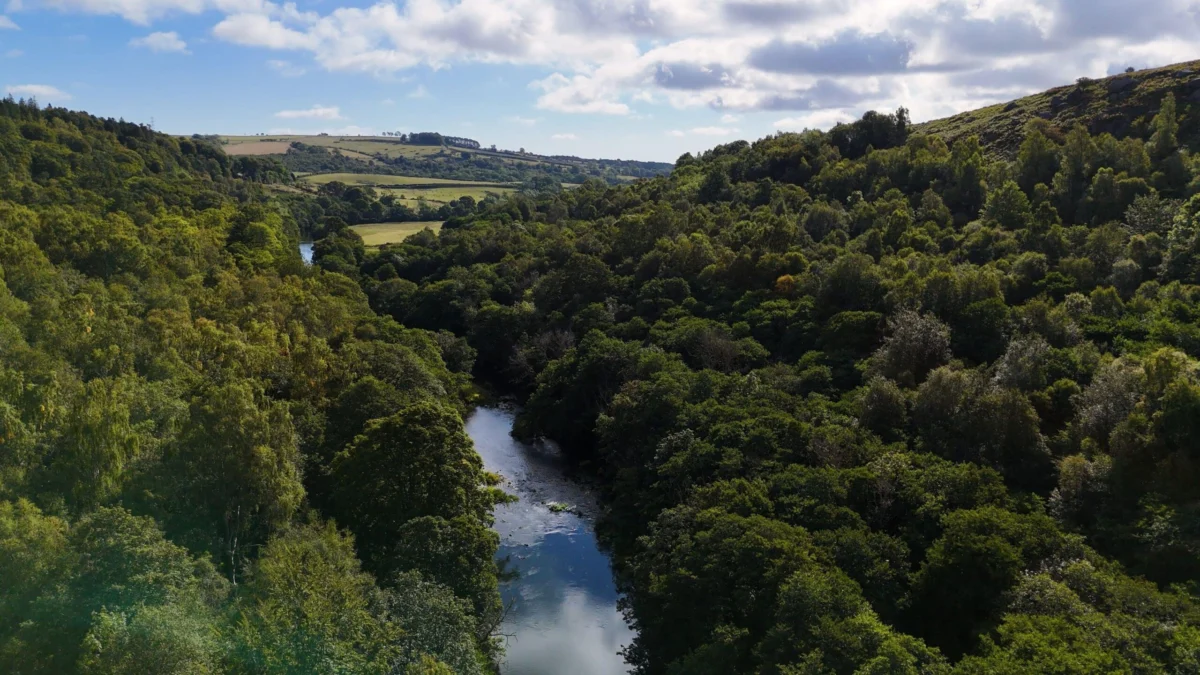
The completion of the purchase marks a pivotal moment for nature recovery in the UK, as the conservation groups can now move forward with their ambitious plans to transform the former grouse moor, woodland, and farmland. The threat of the estate being divided among multiple owners, which could have restricted public access and hindered cohesive conservation efforts, has been successfully averted. Sir David Attenborough, President Emeritus of the Wildlife Trusts, lauded the achievement, describing it as an unparalleled opportunity "to create something very special for generations to come," a place where nature, community, farming, and heritage can harmoniously thrive.
The Rothbury Estate, nestled in the picturesque North East of England, holds immense historical and ecological significance. For approximately 700 years, it remained under the custodianship of the Percy family, with its most recent owner being Lord Max Percy, the youngest son of the Duke of Northumberland. Its availability on the market was widely considered the largest land offering in England in decades, making its future a subject of intense interest and concern among environmentalists and local communities alike. The initial phase of the acquisition in 2024 saw the wildlife organisations secure a crucial tract of land encompassing the Simonside Hills, along with a diverse mix of lowland, ancient woods, and riverside and agricultural areas. This initial purchase included a crucial agreement to acquire the remainder of the estate, provided the formidable £30 million target could be met within a two-year timeframe.

The vision driving this ambitious fundraising effort was the creation of an expansive 40-mile (64km) "wild" corridor, a living landscape stretching from the vibrant North East coast all the way to Kielder Forest and the Scottish border. This ecological superhighway aims to connect fragmented habitats, allowing wildlife to flourish and natural processes to re-establish themselves across a vast area. To bridge the final funding gap and ensure the timely completion of the entire estate purchase, the trusts secured a "low-interest loan." This strategic move allowed them to finalize the transaction while awaiting the full receipt of pledged monies, underscoring their unwavering commitment to securing this vital landscape.
Mike Pratt, Chief Executive of Northumberland Wildlife Trust, expressed profound gratitude and excitement, labelling the campaign "remarkable." He emphasized the rarity of such large-scale opportunities, stating, "By securing this extraordinary landscape, we’ve the potential to create a flagship for nature recovery supported by sustainable farming whilst delivering lasting benefits for wildlife, local people and the rural economy." The appeal received a significant boost last year when Sir David Attenborough’s public backing galvanized support, leading to an astonishing surge of over £1 million in donations from across the globe within a single week. His continued endorsement underscored the profound impact this acquisition could have, envisioning a landscape where "nature and people thrive side by side."
The success of the appeal is a testament to widespread public engagement, with more than 25,000 individuals contributing to the fund. Major institutional support also played a crucial role. In March of this year, a substantial £5 million grant from the National Lottery Heritage Fund significantly propelled the campaign towards its goal. More recently, the government’s Department for Environment, Food and Rural Affairs (Defra) pledged £1.94 million, bringing the appeal within touching distance of its target and ensuring the finalization of the purchase. These collective efforts highlight a broad consensus on the importance of protecting and restoring such a significant natural asset.

The Rothbury Estate is an ecological treasure trove, already boasting several areas designated as Sites of Special Scientific Interest (SSSIs) due to their unique flora and fauna. Its diverse habitats provide a sanctuary for a variety of species, including iconic wading birds like curlew and lapwing, and the elusive mountain bumblebee. The ancient woodlands offer a critical refuge for endangered red squirrels, whose numbers have dwindled nationally. During the summer months, the landscape bursts into vibrant colour with harebell, wild thyme, and mountain pansy. The estate’s rivers, including the Coquet, are vital waterways supporting populations of salmon and the under-threat European eel.
Conservationists believe that this already rich tapestry of wildlife can become even more vibrant over the next decade through targeted restoration efforts. There are ambitious hopes for the reintroduction or natural return of species such as pine marten and beavers, which play crucial roles in ecosystem health. The integration of ancient breeds of cattle is also being considered to help manage grazing and promote biodiversity. Duncan Hutt, Director of Conservation at NWT, envisions "subtle" changes in the years ahead, including an increase in tree cover and the expansion of wetlands, with a guiding principle of allowing "nature to lead what we do." Sophie Bulgin, Projects Manager for Rothbury at the Wildlife Trusts, acknowledged the "massive responsibility" that comes with ownership, affirming, "Now it’s about honouring that support and doing what we said we’d do."
Despite the broad support for the conservation initiative, the plan was not universally embraced. Local tenant farmer Chris Armstrong, who oversees 1,000 acres adjacent to the estate, has been a vocal critic, questioning the necessity of the purchase. Earlier this year, he articulated his perspective to the BBC, stating, "The Rothbury Estate doesn’t need saving. Saving from what?" He noted a deep division within the community regarding the issue, drawing parallels to the Brexit vote in terms of how finely split opinions were. "I think the majority of the farming community see this as a folly," Armstrong contended, reflecting concerns that such a large-scale conservation acquisition might disrupt traditional agricultural practices or alter the rural economy in unforeseen ways.

Defra’s financial contribution also drew criticism from political quarters. Councillor Guy Renner-Thompson, Chairman of Northumberland Conservatives, publicly stated that the pledge indicated the government "has its priorities wrong." He highlighted the difficulties faced by farmers across the country in securing sustainable farming incentive (SFI) funding, with application windows sometimes opening and closing on the same day. "Farmers were left scrambling… Yet ministers can find nearly £2m to help a charity buy an estate," Renner-Thompson remarked, suggesting a disconnect between government funding priorities. In response, Nature Minister Jenny Riddell-Carpenter defended Defra’s involvement, stating that the government was "stepping in to help" in what was recognized as a "once-in-a-generation opportunity" that had garnered widespread public support.
The successful acquisition of the Rothbury Estate by The Wildlife Trusts and Northumberland Wildlife Trust represents a significant victory for nature conservation. It embodies a collective belief in the power of ecological restoration and the importance of safeguarding vast landscapes for both wildlife and people. As the trusts embark on this challenging yet transformative journey, their efforts will be watched closely, not only as a model for large-scale nature recovery but also as a demonstration of how diverse stakeholders can collaborate to shape the future of cherished natural heritage.

 George Anjay

 Nakalama John

 atisusanti
 Ramos Leo