
 George Anjay
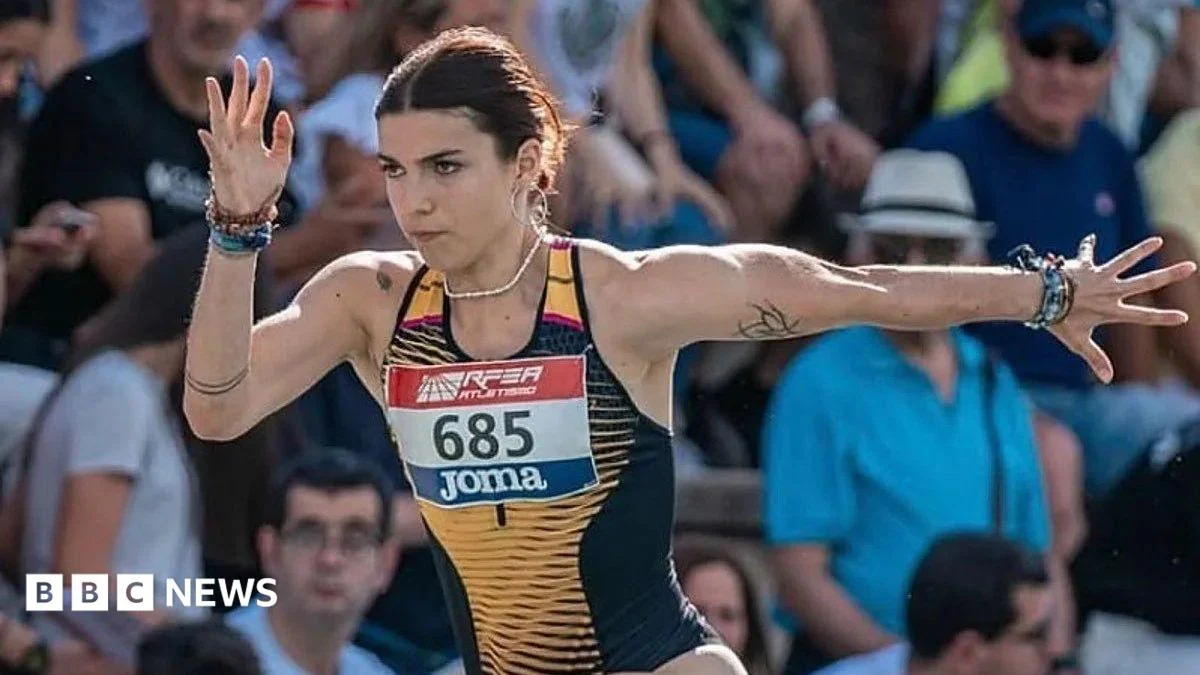
A promising 24-year-old long jumper and a former government minister are among the tragic fatalities of a devastating train crash that claimed the lives of 69 people near Urda in central Spain on Wednesday morning. The catastrophic collision occurred when a high-speed Renfe train collided with a stationary Iryo train on the same stretch of track, leaving over 100 others injured, many with life-threatening wounds. The force of the impact sent carriages toppling off the rails, and authorities fear the death toll could still climb as desperate families scour hospitals across the region in search of missing loved ones. The bodies of those who perished have been transported to the principal forensics institute in Toledo, where grieving families are providing DNA samples to aid in their identification. This harrowing incident marks the second rail disaster to strike Spain this year and stands as the nation’s deadliest since 2013, plunging the country into mourning.
Julieta Gallego
Among the victims is Julieta Gallego, a talented 24-year-old long jumper who was a regular fixture on Spain’s athletics circuit, competing for the Madrid-based club AD Sprint. The club shared its profound heartbreak on Instagram, a sentiment echoed by the Royal Spanish Athletics Federation (RFEF), which officially announced her passing. The RFEF extended its deepest condolences to Gallego’s family, friends, and teammates, acknowledging the immense void her loss leaves. Local media outlet ABC reported that Gallego consistently participated in Spanish club championships, achieving a personal best jump of 5.9 meters (19 feet 3 inches). Raúl Chapado, president of the RFEF, described her death as a "blow that strikes at the very heart of the athletics family." He poignantly added, "Today, the sport mourns the passing of Julieta, a life ahead of her that has been unjustly extinguished." Her bright future, full of athletic promise, was tragically cut short in this devastating accident.

Fátima Báñez
The former employment minister, Fátima Báñez, 59, was also confirmed among the deceased. Her death was announced by the Spanish Confederation of Business Organizations (CEOE), an organization she chaired. The CEOE released a statement expressing that "Her warmth, generosity, and commitment leave an indelible mark on businesses and the entire CEOE team." Báñez served in the government under former Prime Minister Mariano Rajoy from 2011 to 2018, holding the distinction of being the first woman to occupy the employment minister role. During her tenure, she introduced controversial labor reforms in 2012 that facilitated easier dismissal of employees, sparking widespread protests across the nation. Following the news of her death, Isabel Díaz Ayuso, the regional president of Madrid, paid a heartfelt tribute, stating that Báñez would be "deeply missed" and that "Spain loses a great political figure." Her significant contributions to Spanish politics and business have been widely acknowledged.
José Manuel Chacón
The Civil Guard confirmed the tragic death of one of its own officers, José Manuel Chacón, 31. In a solemn statement, the force expressed its "deepest condolences" to his family, friends, and colleagues, recognizing the profound loss to the institution and the wider community. Chacón’s service and dedication were cut short in the prime of his career.

Antonio Montero Domínguez
Antonio Montero Domínguez, a respected finance and tax lawyer, was remembered by the legal news website El Derecho as a "meticulous professional" and a "tireless worker." His death was confirmed by Spain’s tax authority, where he had served as an inspector between 2012 and 2016. His colleagues and peers have lauded his dedication and expertise in his field, highlighting the significant impact he had on his profession.
The investigation into the cause of the crash is ongoing, with authorities focusing on how two trains ended up on the same track. Preliminary reports suggest a potential error in signaling or human misjudgment. The scale of the tragedy has prompted widespread calls for a thorough review of railway safety protocols across Spain. The nation stands united in grief, mourning the loss of its citizens, from promising young athletes to seasoned public servants, all caught in this senseless disaster. The stories of Julieta Gallego, Fátima Báñez, José Manuel Chacón, and Antonio Montero Domínguez serve as poignant reminders of the human cost of such catastrophic events, leaving behind devastated families and a nation grappling with profound sorrow. The country now faces the difficult task of healing and ensuring that such a devastating loss of life never occurs again on its railway network. The ongoing efforts to identify all victims and support the injured continue, with a nation holding its breath and offering its deepest sympathies to all those affected by this horrific event. The resilience of the Spanish people will undoubtedly be tested as they navigate this period of immense grief and uncertainty.


 Nakalama John
 atisusanti

 Ramos Leo
 Roy Suryo
