
 Nakalama John
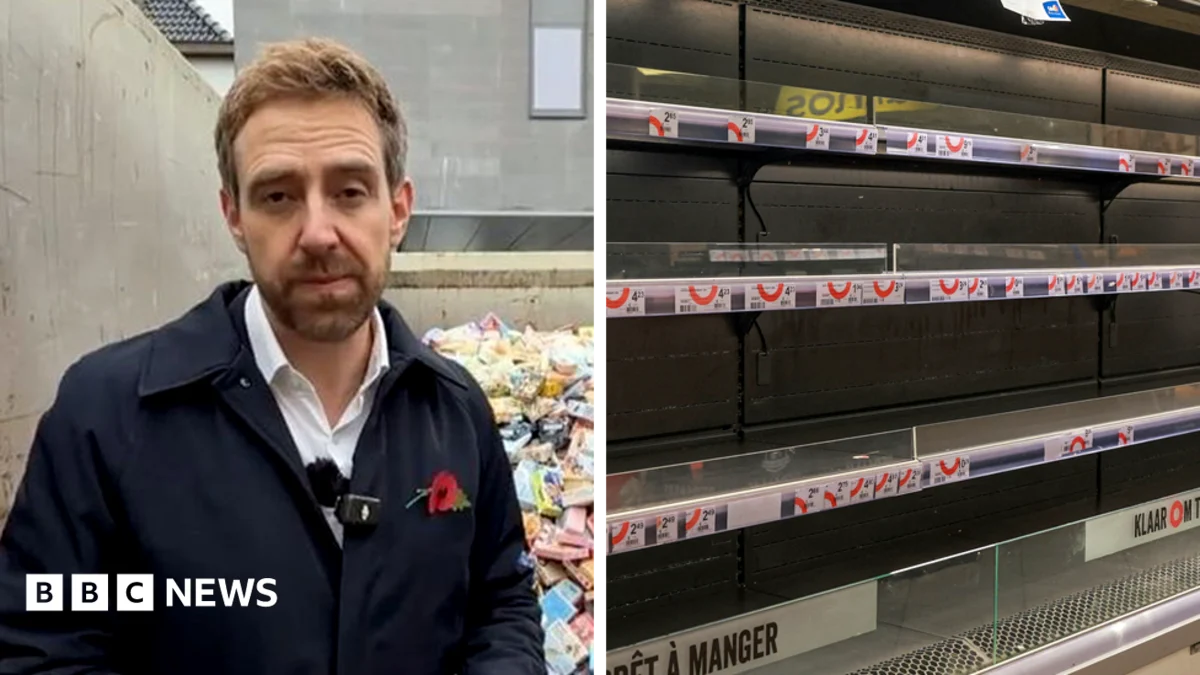
The impact has been particularly severe in Belgium and Luxembourg, where an estimated 40 Delhaize supermarkets bore the brunt of the cyber assault. However, the malicious digital campaign was not confined to these two nations, with similar incidents reported in stores across Sweden, Ireland, the Netherlands, Estonia, and Finland, indicating a coordinated and extensive attack on the European retail sector. The sheer geographical spread underscores the sophistication and reach of the perpetrators, whose actions have disrupted daily operations and challenged the resilience of supply chains throughout the continent. This incident marks a grim milestone, showcasing how cyber threats can directly translate into tangible, physical destruction and enormous waste.
In a particularly vivid and distressing account, the BBC’s Europe correspondent Nick Beake visited a branch of supermarket Delhaize in Hoeilaart, a town just outside the Belgian capital, Brussels. There, he encountered a scene of utter waste and despair: colossal piles of discarded food, a testament to the cyber-attack’s devastating efficiency. Among the rapidly thawing items were rows of frozen pizzas, tubs of ice cream, bags of vegetables, and packages of meat, all heaped together in a ghastly, rotting tableau. The branch manager, grappling with the immediate aftermath, estimated the cost of the damage at this single location to be in excess of €100,000 (£83,500). This figure represents not just the value of the lost stock but also the significant logistical and environmental burden of disposal.
Extrapolating from the Hoeilaart branch’s losses, the financial implications for Delhaize alone in Belgium and Luxembourg could easily soar into the multi-million euro range, potentially exceeding €4 million for the 40 affected stores. This calculation, however, only scratches the surface of the total economic damage. Beyond the direct cost of the spoiled inventory, supermarkets face substantial expenses related to the clean-up and disposal of the waste, which often involves specialized removal services to comply with health and environmental regulations. Furthermore, there are costs associated with repairing or replacing compromised refrigeration units, strengthening cybersecurity defenses, and the incalculable losses stemming from disrupted sales, temporary closures, and severe reputational damage.
The precise nature of the cyber-attack remains under investigation, but experts suggest it likely involved highly sophisticated malware or ransomware designed to target and disable operational technology (OT) systems, rather than just conventional IT networks. It is plausible that the attackers exploited vulnerabilities within the Internet of Things (IoT) devices commonly used to monitor and control modern refrigeration units, effectively locking out store personnel and preventing manual overrides or temperature adjustments. Such an attack could have either shut down power to the units, overridden temperature settings to unsafe levels, or simply rendered the control systems inoperable, leading to a catastrophic failure in food preservation. The motivation could range from financial extortion through ransomware demands to industrial sabotage, or even a test of critical infrastructure vulnerabilities.
Beyond the immediate financial hit, the incident raises profound questions about food waste and environmental responsibility. In a world grappling with food insecurity and the urgent need to reduce waste, the sight of hundreds of thousands of euros worth of perfectly good food being deliberately destroyed is a stark and painful reminder of systemic vulnerabilities. The disposal of such a massive quantity of organic material will inevitably contribute to landfill burdens and greenhouse gas emissions, particularly methane, a potent climate change accelerator produced by rotting food. This incident underscores the ethical imperative for robust cybersecurity measures that protect not only data but also the tangible resources vital for societal well-being.
The disruption to the supply chain and potential erosion of consumer trust are also significant concerns. While most affected stores likely recovered relatively quickly, the temporary unavailability of certain products or the visual evidence of discarded food can create unease among shoppers. Consumers rely on supermarkets to provide safe, fresh, and readily available food, and an attack that directly compromises these expectations can have lasting psychological effects. Furthermore, the incident sends a chilling message to suppliers, including farmers and food manufacturers, who might face cancelled orders or returns due to similar future events, creating a ripple effect throughout the agricultural and food processing sectors.
This cyber-attack serves as a critical wake-up call for the entire retail industry regarding the imperative of operational technology (OT) cybersecurity. Historically, businesses have focused heavily on securing customer data and financial transactions, but this incident highlights that physical infrastructure, especially that controlled by digital systems, is equally, if not more, vulnerable. Modern supermarkets operate complex networks of interconnected systems – from point-of-sale terminals to inventory management, HVAC, and refrigeration units – all of which present potential entry points for malicious actors. Retailers must now invest significantly in comprehensive cybersecurity strategies that extend beyond traditional IT to encompass all digitally controlled operational systems, implementing robust firewalls, intrusion detection, regular vulnerability assessments, and employee training.
The European incident is not an isolated event but rather indicative of a growing global trend of cyber-attacks targeting critical infrastructure and supply chains. Previous high-profile attacks on entities like the Colonial Pipeline in the US, which disrupted fuel supplies, or the JBS Foods attack, which halted meat production, demonstrate the devastating real-world consequences of digital intrusions. This supermarket attack further solidifies the understanding that cyber warfare and economic sabotage are evolving, moving beyond data theft to directly impact physical assets and the provision of essential goods and services. Governments and international bodies will likely need to intensify cooperation with the private sector to develop resilient frameworks and intelligence-sharing mechanisms to counter these increasingly sophisticated threats.
Looking ahead, the incident demands a fundamental shift in how retailers approach security and resilience. It underscores the urgent need for comprehensive incident response plans that account for operational system failures, not just data breaches. This includes establishing clear protocols for manual overrides, redundant power systems for critical infrastructure like refrigeration, and robust data backup and recovery strategies for operational controls. The future of retail security will undoubtedly involve a multi-layered defense approach, integrating advanced threat intelligence, artificial intelligence-driven anomaly detection, and a culture of continuous security improvement. Only through such proactive and holistic measures can the industry hope to safeguard against the growing spectrum of cyber threats that now pose a direct danger to the integrity of our food supply and the stability of our economies.



 atisusanti

 Ramos Leo

 Roy Suryo

 Nana Banana

 George Anjay
