
 Roy Suryo
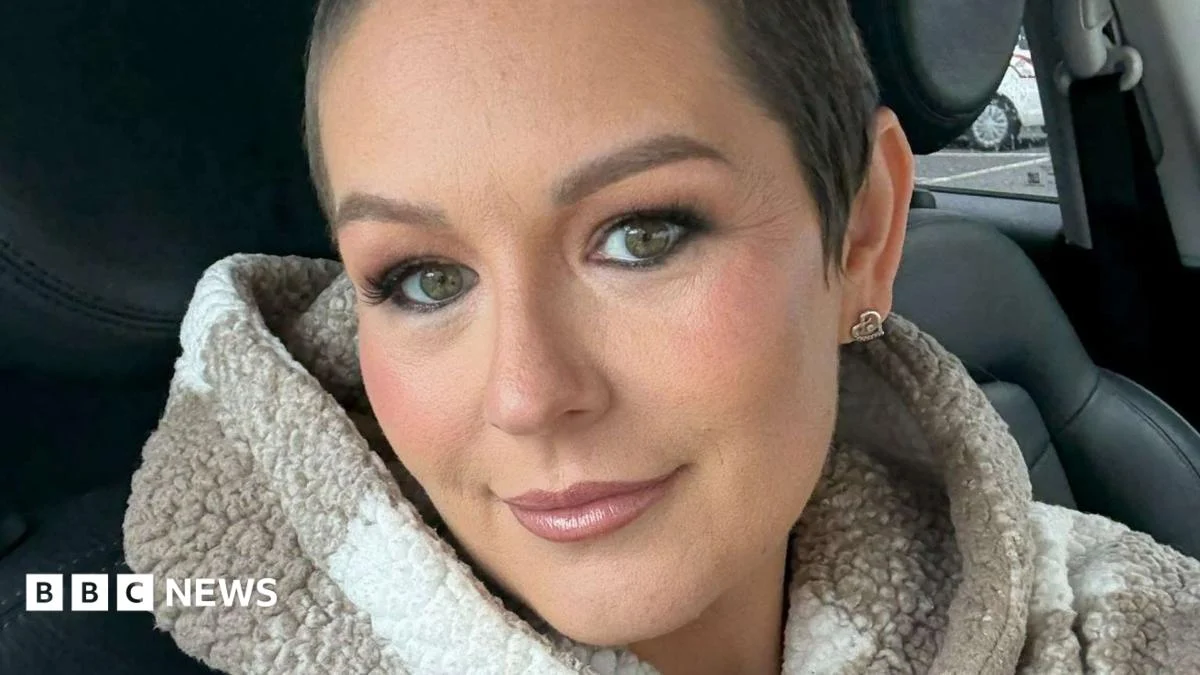
Beth Jenkins, a resilient 42-year-old mother of two from Merthyr Tydfil, faced a harrowing ordeal when a lump she discovered in her breast was initially dismissed as potential "medical anxiety" by a locum GP, only for it to be later diagnosed as aggressive lobular breast cancer. The lump, which had significantly grown, was met with the assertion that she was "too young to have breast cancer" and that it might be a manifestation of postnatal depression, a suggestion Jenkins vehemently refutes. This misdiagnosis, which delayed crucial treatment, resulted in a 5cm tumour and the spread of the disease to three lymph nodes, a stark testament to the potential dangers of underestimating a patient’s concerns.
The journey to diagnosis began in 2018 when Jenkins first noticed a "small pea-sized" lump. Following an ultrasound, she was informed it was likely glandular tissue, and alarmingly, no biopsy was performed. Years later, after the birth of her daughter Robyn, a seemingly innocuous incident – Robyn accidentally kicking her chest while Jenkins was changing her nappy – brought the lump back into sharp focus. It had, by then, become "massive," prompting Jenkins to seek medical attention again in October 2024.
At 40 years old, Jenkins was once again met with scepticism. The locum GP suggested she was "too young" for breast cancer, attributing the swelling to a possible infection or, distressingly, "medical anxiety," compounded by her history of postnatal depression. She was prescribed antibiotics, a course of action that did little to alleviate her growing unease. Jenkins’s own assertion, "I haven’t got medical anxiety, otherwise I’d be up the hospital and doctors’ every week," highlighted the disconnect between her persistent concerns and the medical assessment.
The ordeal took a critical turn when Jenkins was eventually referred to a breast clinic. On November 14, 2024, the devastating diagnosis of lobular breast cancer was confirmed. The disease had advanced significantly, having already spread to three lymph nodes. The news hit Jenkins and her father with a profound shock, leaving her momentarily numb, unable to cry or express outward distress.
Despite the devastating reality of her diagnosis, Jenkins, a dedicated police officer, found solace and strength in the care of the specialist team. A consultant at the breast clinic offered a powerful reassurance, promising, "I promise you I will get rid of this." This promise became a beacon of hope as Jenkins embarked on her treatment journey.
Initially, Jenkins underwent a mastectomy, a life-altering surgery. She chose to shield her eight-year-old daughter, Fallon, by telling her she had a "boob job." Fallon’s innocent, yet poignant, question – "why did you just have the one boob done and not the other one?" – underscored the emotional complexity of the situation and the difficulty of explaining the gravity of cancer to a child.
Ultimately, Jenkins decided to be truthful with Fallon about her cancer diagnosis before commencing chemotherapy and radiotherapy. These treatments, while essential for fighting the disease, led to the distressing side effect of hair loss, a visible marker of her battle. Following these aggressive treatments, Jenkins underwent further preventative therapy. However, this phase of her treatment was marred by a life-threatening complication: neutropenic sepsis.
The severity of the neutropenic sepsis was starkly evident in the medical team’s assessment that, "if I had gone there [to the hospital] 24 hours later, I wouldn’t have survived." This harrowing experience underscored the precarious nature of her recovery and the critical importance of timely and accurate medical intervention.
The story of Beth Jenkins is a stark reminder of the critical importance of listening to patients, particularly women, when they express concerns about their health. Her initial dismissal by a GP, coupled with the assertion that she was "too young" for breast cancer, highlights a systemic issue that can lead to delayed diagnoses and potentially life-threatening consequences. The practice, Keir Hardie Health Park, while unable to comment on individual cases, issued a general statement encouraging patients to "make a second appointment" if they have concerns, a suggestion that, in Jenkins’s case, came far too late.
Lobular breast cancer, the type diagnosed in Jenkins, is the second most common type of breast cancer, accounting for about 10-15% of all cases. It originates in the milk-producing glands (lobules) of the breast and is known for being more diffuse and harder to detect on mammograms than invasive ductal carcinoma, the most common type. This can contribute to later stage diagnoses. The fact that Jenkins’s lump was only definitively identified as cancer after it had grown significantly and spread to her lymph nodes points to the challenges in early detection of this specific cancer subtype.
The delay in diagnosis for Jenkins raises questions about the training and awareness of medical professionals regarding breast cancer symptoms in younger women. While breast cancer is more prevalent in older women, it can and does affect women in their 30s and 40s. The presumption of "medical anxiety" or "postnatal depression" as the sole cause for a palpable lump can lead to a dismissal of potentially serious underlying conditions. This case underscores the need for a comprehensive approach to patient care, where concerns are taken seriously, and appropriate diagnostic steps, such as biopsies, are not deferred without thorough investigation.
Jenkins’s personal resilience in the face of such a challenging diagnosis and subsequent complications is commendable. Her role as a police officer likely instilled in her a sense of duty and a determination to overcome adversity. Her decision to be open with her daughter about her illness, once she was ready, demonstrates a commitment to fostering understanding and support within her family.
The experience of neutropenic sepsis is a serious and potentially fatal complication of chemotherapy. It occurs when the body’s white blood cell count drops significantly, making the individual highly susceptible to infection. The fact that Jenkins narrowly avoided a fatal outcome highlights the aggressive nature of her cancer treatment and the constant vigilance required by medical professionals. Sepsis is a medical emergency, and prompt recognition and treatment are crucial for survival.
This news article serves as a powerful call to action for improved diagnostic pathways and greater awareness of breast cancer in younger women. It also emphasizes the importance of patient advocacy and the courage it takes to continue seeking answers when initial medical assessments prove inadequate. Beth Jenkins’s story is not just a personal tragedy, but a public health concern that demands attention and action to prevent others from enduring similar delays in receiving life-saving diagnoses. The narrative of her journey from being told she had "medical anxiety" to fighting aggressive breast cancer is a stark illustration of the critical need for vigilant and thorough medical evaluation.




 Nana Banana

 George Anjay

 Nakalama John

 atisusanti

 Ramos Leo
