
 Nakalama John
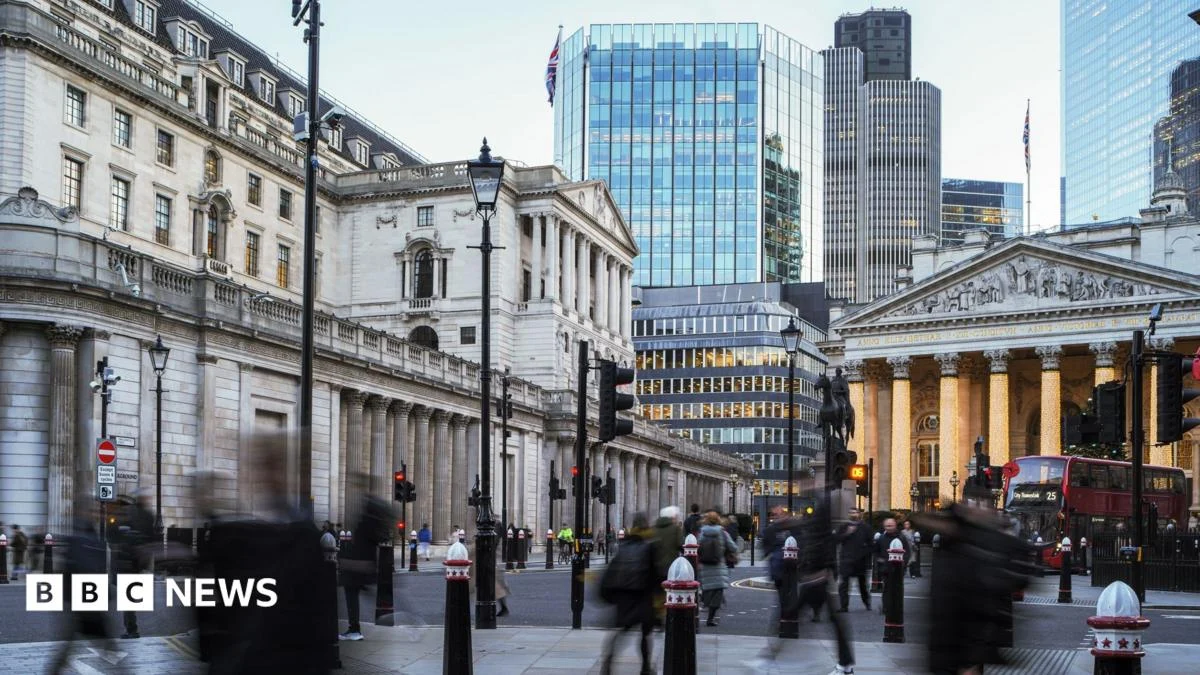
For the first time in over three years, the Bank of England has raised its benchmark interest rate, signalling a potentially tumultuous period for the British economy. The Monetary Policy Committee (MPC) voted to increase rates to 4% from 3.75%, a move primarily driven by persistent inflationary pressures exacerbated by the ongoing US-Iran conflict and its profound impact on global energy markets. Governor Andrew Bailey, while acknowledging the immediate necessity of the hike, delivered a cautious message, stating the decision "shouldn’t be seen as the first in an inevitable long sequence of hikes," yet simultaneously warned that "unless the conflict in the Middle East is resolved, neither does it seem likely to be the last increase." This nuanced stance underscores the profound uncertainty facing policymakers, with geopolitical tensions now directly dictating domestic economic policy.
The decision marks a significant shift from a prolonged period of ultra-low interest rates, a cornerstone of economic policy in the wake of the 2008 financial crisis and the COVID-19 pandemic. The Bank of England, tasked with maintaining price stability and keeping inflation at its 2% target, found itself compelled to act as inflation soared far beyond acceptable levels. The principal culprit, as highlighted by the MPC, is the spiralling cost of global oil, a direct consequence of the US-Iran war. The conflict has injected immense volatility and risk into an already fragile global energy supply chain. Fears of disruption to oil production and shipping routes, particularly through the strategically vital Strait of Hormuz, have sent crude oil prices skyrocketing. This cost-push inflation, where the price of essential inputs like energy rises, cascades through the entire economy, increasing the cost of manufacturing, transport, and ultimately, consumer goods and services. High inflation erodes purchasing power, diminishing the value of savings and making everyday life more expensive for households and businesses alike.
Governor Bailey elaborated on the rationale, pointing directly to the Middle Eastern conflict as the overriding factor influencing future policy. "Put simply, it requires real progress towards settling the conflict in the Middle East," the governor stated, articulating a stark dependency of domestic monetary policy on international geopolitical developments. This unprecedented linkage highlights the interconnectedness of the modern global economy and the fragility of economic forecasts when confronted with major international crises. Bailey conceded he could "see the argument" for further rate hikes if the situation persisted, before adopting a "more conditional approach" that would closely monitor the trajectory of energy prices and broader inflation metrics in the months ahead. This conditional forward guidance reflects the MPC’s desire to avoid pre-committing to a rigid path while retaining flexibility in a highly unpredictable environment.
The MPC’s vote, while largely in favour, revealed nuanced differences in opinion regarding the path forward. Eight of the nine members backed the increase to 4%, while one member advocated for an even more aggressive hike to 4.25%, underscoring a segment of the committee’s concern about the entrenched nature of inflationary pressures. The internal deliberations also brought to light varying perspectives on future policy. Clare Lombardelli, for instance, agreed there was "likely to be a case for a further increase in rates in the near term," indicating a belief that more tightening would be necessary to bring inflation under control. Megan Greene expressed an even stronger hawkish stance, suggesting that "additional hikes" might be likely, contingent on how inflation permeated wages, prices, and the broader labour market. Conversely, Alan Taylor articulated a more cautious view, characterising the rate rise as a "risk-management ‘one-for-now’ insurance hike." This ‘insurance’ perspective implies a pre-emptive measure to mitigate potential future risks, rather than a commitment to a sustained tightening cycle. Such divergence within the committee underscores the complexity of economic forecasting and the difficult balancing act between curbing inflation and avoiding an unnecessary economic slowdown.
For millions of households across the UK, the immediate and tangible impact of this rate hike will be felt in their personal finances. The higher base rate directly increases the cost of borrowing for various financial products, most notably mortgages, personal loans, and credit cards. Mortgage holders, particularly those on variable rates or those whose fixed-rate terms are expiring, face a significant increase in their monthly repayments. This phenomenon, often dubbed "mortgage shock," can severely strain household budgets. However, the flip side of the coin is that savers will see higher returns on their deposits, offering a modicum of relief to those who have seen their savings eroded by years of low rates and rising inflation.
Patrick Bryson, a 51-year-old guitar teacher from Brighton, epitomises the harsh reality confronting many homeowners. His five-year fixed mortgage term, with a highly competitive interest rate of 3.51%, is drawing to a close. As he navigates the remortgaging market, the best deal he can secure is a 5.17% loan with HSBC. This jump translates into his monthly repayments surging from £1,420 to an eye-watering £1,680 starting in February – an increase of £260 per month. The emotional toll of this financial burden is evident in his candid reflection: "The only thing that bugs me about the mortgage is that after five years of paying it off we are now paying more than we were before. That’s a bit of a slap in the face." This sentiment encapsulates the frustration of many who diligently manage their finances only to find their efforts undermined by external economic forces.
Patrick, who earns a combined income of around £68,000 a year with his wife, a care home manager, described the acute pressure on their household finances. They have already been forced to re-evaluate their spending habits and scrutinise their outgoings. "Over the last year I have stopped buying wine, we don’t go out to eat much anymore, we have knocked takeaways on the head. The prices are ridiculous," he recounted. This anecdote provides a vivid illustration of how rising interest rates, compounded by inflationary pressures, are leading to significant lifestyle adjustments for middle-income families. Discretionary spending, subscriptions, and leisure activities are often the first casualties as households prioritise essential costs. This collective reduction in consumer spending, while a necessary side-effect of monetary tightening designed to cool the economy, also carries the risk of dampening economic growth and potentially tipping the country into recession.
Looking ahead, the economic landscape remains fraught with uncertainty. The Bank of England’s future decisions are inextricably linked to the trajectory of the US-Iran conflict and its ripple effects on global commodity markets. Should the conflict de-escalate, bringing stability to oil prices, the pressure for further rate hikes might ease. Conversely, any escalation could necessitate more aggressive monetary tightening, further squeezing households and businesses. The MPC will also be closely monitoring other domestic indicators, including wage growth, employment figures, and consumer confidence, to gauge the extent to which inflation has become embedded in the economy. This interest rate hike, the first in over three years, serves as a stark reminder of the delicate balance central banks must strike in an increasingly interconnected and volatile global environment, aiming to tame inflation without stifling economic activity entirely.


 atisusanti
 Ramos Leo

 Roy Suryo
 George Anjay
