
 atisusanti
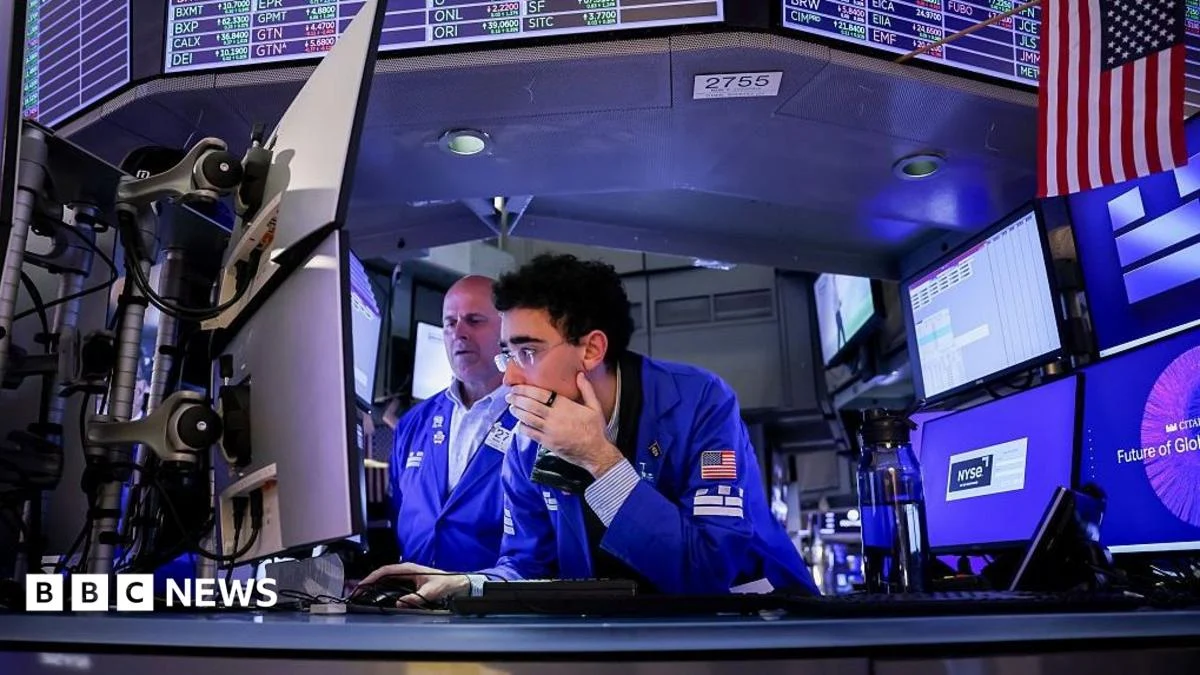
The recent electoral landscape in the United States has triggered a significant downturn across the technology sector, with Elon Musk’s ventures, SpaceX and Tesla, bearing the brunt of a broader market sell-off. A day after the Democratic Party secured victories in key midterm elections, the tech-heavy Nasdaq Composite index experienced a sharp decline, plummeting by over 5% in early trading. This market reaction is largely attributed to the potential for increased regulatory scrutiny on data center construction and the burgeoning artificial intelligence (AI) industry, particularly in states where Democrats have gained influence, such as Texas.
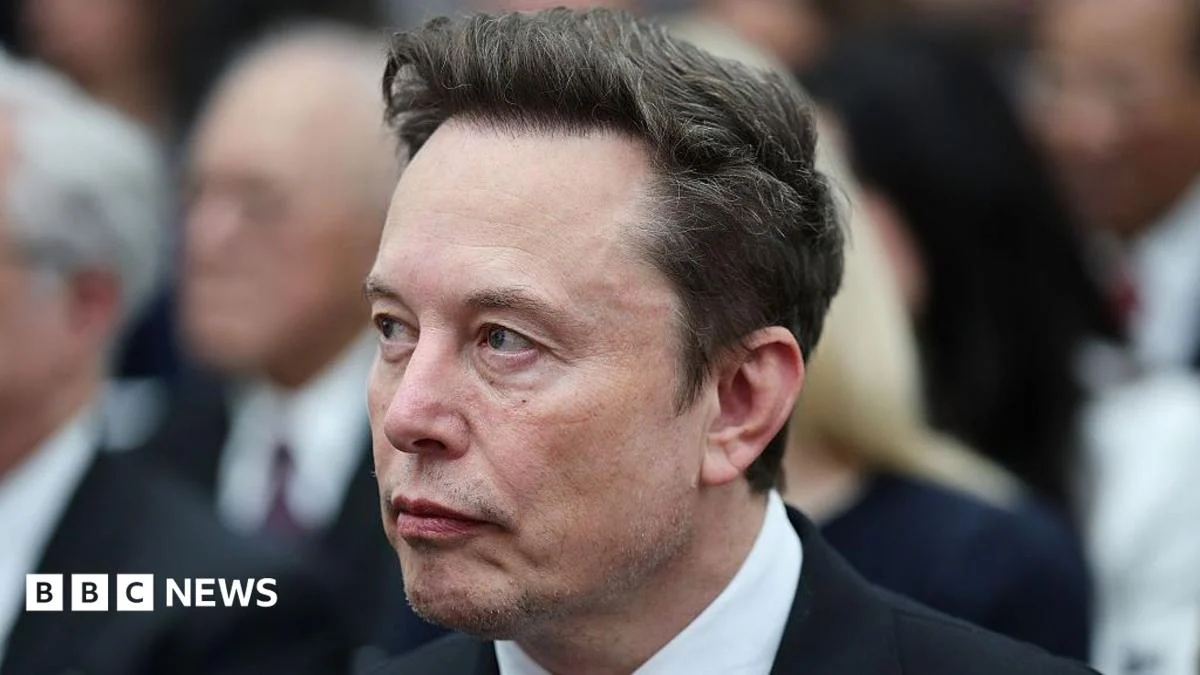
SpaceX shares saw a significant drop of more than 9% by lunchtime on Thursday, mirroring a broader trend affecting technology and AI-focused companies. Tesla, another of Musk’s prominent enterprises, also suffered, with its shares falling by over 11%. These declines are occurring against a backdrop of considerable political investment by Musk. Reports indicate that Musk had personally contributed nearly $450 million to Republican campaigns. A substantial portion of this, at least $45 million, was directed towards supporting Ken Paxton’s bid for a Texas senate seat. However, the outcome of the midterm elections saw Texas "turned blue," a term used to describe the Democratic Party’s success in the state, a result that appears to have directly impacted Musk’s business interests.
The electoral victory in Texas has brought to power figures like governor-elect Gina Hinojosa, who actively campaigned against the proliferation of data centers, even pledging a moratorium on new construction within the sector. This stance, coupled with the broader Democratic wins in states with significant data center footprints, has created an environment of uncertainty for companies heavily invested in this infrastructure. The market’s interpretation of these electoral outcomes suggests a future where the expansion of data centers, crucial for powering AI and other tech advancements, might face significant hurdles.
The impact of these developments has been particularly acute for semiconductor manufacturers. Companies at the forefront of chip production have experienced substantial losses. AMD, a leading chipmaker, saw its shares drop by more than 14% on Thursday. Micron Technology’s stock also suffered, falling by as much as 17% before a slight recovery. Intel’s shares were down by over 7%, while Nvidia, a key player in AI hardware, experienced a nearly 9% decline. The broader impact on the semiconductor industry is evident in the Philadelphia Semiconductor Index, which had fallen by 10% by lunchtime.
The ripple effect of these tech stock declines extended to the broader market. The S&P 500 index, a benchmark for a larger segment of the U.S. stock market, dropped by 3.8% by midday. This widespread sell-off underscores the interconnectedness of the financial markets and the significant influence of the technology sector on overall market performance.
Susannah Streeter, chief investment strategist at Wealth Club, characterized the steep sell-off on the Nasdaq and the S&P 500 as sending "shockwaves into other markets." She elaborated, stating, "Fresh panic over the AI trade has hit Wall Street hard." Streeter highlighted the underlying investor anxieties: "Fears that the vast sums poured into AI infrastructure may not deliver the returns investors have been banking on are now colliding with the prospect of a sharp slowdown in data centre construction." This statement encapsulates the dual pressures facing the tech industry: the potential for AI investments to fall short of expectations and the immediate threat of regulatory or political impediments to the physical infrastructure required for AI development.
The sentiment among some tech leaders suggests they were taken by surprise by the backlash against data centers during the midterm campaigns. Greg Brockman, president and co-founder of OpenAI, acknowledged this surprise, stating that he believed "everyone had been surprised by the reaction to data centers." He emphasized the need for improved community engagement, remarking, "A lot of our shift over the course of this year has really been to realise that from San Francisco trying to build infrastructure in Texas, Georgia, and other places, you can’t just tweet and say: ‘This is going to be good.’ You need to be in those communities." Brockman’s comments, made at the WSJ Tech conference in Napa, California, indicate a growing awareness within the industry that their expansion strategies need to be more localized and communicative.
Dina Powell McCormick, president of Meta, echoed this sentiment, agreeing that the industry must enhance its communication regarding the advantages of AI. "I think we need to double and triple down on telling the story," she stated at the same WSJ conference. This suggests a recognition that the narrative surrounding AI and its infrastructure needs to be more effectively conveyed to the public and policymakers to counter potential negative perceptions.
Beyond the immediate implications of the U.S. midterm elections, a separate but related concern has been growing among investors: the possibility that AI shares are part of an unsustainable bubble that is due for a correction. This underlying apprehension about the valuation of AI companies, coupled with the newly emerged political risks, has created a potent cocktail for market volatility. The confluence of these factors has led to a significant reassessment of the future prospects for technology companies, particularly those at the forefront of AI development and data center expansion.
The political landscape, therefore, has become a significant factor influencing investment decisions in the technology sector. The Democratic victories, interpreted as a potential harbinger of stricter regulations and increased scrutiny, have cast a shadow over the rapid growth and investment in data centers and AI. This, in turn, has directly impacted the valuations of companies heavily involved in these areas, including those led by prominent figures like Elon Musk. The market’s reaction serves as a stark reminder that geopolitical and regulatory shifts can have a profound and immediate effect on even the most innovative and seemingly unstoppable industries. The tech world, accustomed to rapid innovation and exponential growth, now faces a period of recalibration, where the political climate is as crucial a factor as technological advancement itself.



 Ramos Leo

 Roy Suryo

 George Anjay

 Nakalama John
