George Anjay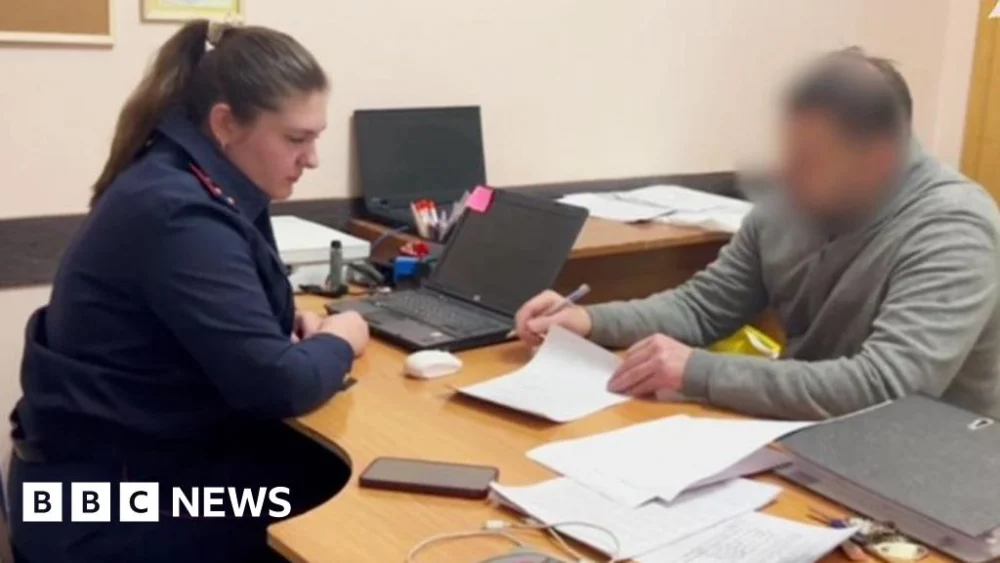
Novokuznetsk, Siberia – A cloud of tragedy and anger has descended upon Novokuznetsk, a major industrial city in Siberia, following the inexplicable deaths of nine infants at the city’s Maternity Hospital No. 1. The alarming fatalities, which occurred during the extended New Year holiday period, have led to the swift arrest of two senior medical professionals, sparking a nationwide outcry and a deep dive into the potential systemic failures within Russia’s healthcare system.
The grim toll began to mount on January 4th, with all nine newborns having been admitted to the hospital between January 1st and January 12th. Russia’s Investigative Committee, the nation’s primary investigative body, confirmed the tragic circumstances in a terse statement that offered no immediate explanation for the devastating loss of life. However, the gravity of the situation necessitated immediate action, culminating in the detention of the hospital’s chief physician and the head of its intensive care unit.
According to Svetlana Petrenko, a spokeswoman for the Investigative Committee, the two doctors were arrested for "improper performance of their official and professional duties in organizing and providing medical care." While specific details of their alleged negligence remain undisclosed, the committee indicated that both suspects are cooperating with the ongoing investigation. Authorities are currently deliberating on the formal charges to be filed and the necessity of pre-trial detention, a crucial step in ensuring the integrity of the investigation and preventing any potential interference.
The Investigative Committee has released a compelling, albeit disturbing, video that offers a glimpse into the unfolding investigation. The footage shows one of the arrested doctors being escorted by uniformed officers, his movements somber and subdued. Another segment depicts a man, presumably the other physician, signing documents in the presence of law enforcement personnel, a stark visual testament to the severity of the accusations. The committee emphasized that the investigation is a multifaceted effort, involving extensive questioning of victims and witnesses, as well as the seizure of crucial materials to gather further evidence. The meticulous process of collecting and analyzing evidence is paramount to uncovering the truth behind these infant deaths.
Adding another layer to the unfolding tragedy, the Kemerovo Region Ministry of Health, which is also conducting its own parallel investigation, has suggested a potential contributing factor: a severe intra-uterine infection. Interfax news agency reported that preliminary findings from the regional health ministry point towards this devastating condition as a possible cause. However, without definitive confirmation from the post-mortem examinations, this remains a hypothesis rather than a conclusive explanation. Nine separate post-mortem examinations are currently underway, a critical step in determining the precise cause of each infant’s death and identifying any common threads or contributing factors. The meticulous analysis of these autopsies will be instrumental in either corroborating or refuting the infection theory and shedding light on the circumstances surrounding these young lives cut tragically short.
In the wake of the infant deaths and the subsequent investigation, Novokuznetsk Maternity Hospital No. 1 has made the difficult decision to temporarily suspend admissions. The hospital cited a "higher-than-usual rate of respiratory infections" as the reason for this precautionary measure. This announcement raises further questions about the hospital’s overall health and safety protocols and whether the reported respiratory infections are linked to the infant fatalities. The decision to halt admissions, while perhaps prudent, also highlights a potential broader issue within the facility that requires thorough examination.
The case has resonated deeply across Russia, igniting a firestorm of public anger and grief. Social media platforms have been flooded with messages of condolence for the families of the deceased infants, alongside impassioned calls for accountability and reform. Many are questioning the quality of medical care in the region, particularly in facilities serving vulnerable populations like newborns. The deaths have exposed a raw nerve, tapping into existing anxieties about the state of Russia’s healthcare infrastructure and the potential for medical negligence to have devastating consequences.
The Investigative Committee’s swift action in arresting the senior doctors underscores the seriousness with which the authorities are treating this matter. The focus on "improper performance of duties" suggests that the investigation will scrutinize not only individual actions but also the systemic issues that may have contributed to the tragedy. This could encompass a review of staffing levels, resource allocation, adherence to safety protocols, and the overall management of the maternity ward and intensive care unit. The emphasis on "organizing and providing medical care" indicates a broader scope of inquiry that extends beyond individual medical practitioners to encompass the administrative and managerial responsibilities within the hospital.
The Novokuznetsk incident is not an isolated event in the history of medical tragedies, but its magnitude and the public outcry it has generated suggest a potential turning point in the discourse surrounding healthcare accountability in Russia. The families of the nine infants are left grappling with unimaginable loss, seeking answers and justice in the face of a profound tragedy. As the investigation progresses and more evidence is uncovered, the nation will be watching closely, hoping for transparency, accountability, and a renewed commitment to ensuring the safety and well-being of all patients, especially the most vulnerable. The coming weeks and months will be critical in determining the full extent of the failures that led to these nine precious lives being extinguished and in implementing measures to prevent such a devastating event from ever happening again. The arrest of the doctors is a first step, but the path to true resolution and systemic improvement is likely to be long and arduous, demanding unwavering dedication from all parties involved. The collective grief and outrage over the loss of these nine innocent lives serve as a powerful catalyst for change, a somber reminder of the profound responsibility that rests upon those who hold the power to heal and protect.




 Roy Suryo
 Nakalama John
 atisusanti
 Ramos Leo