George Anjay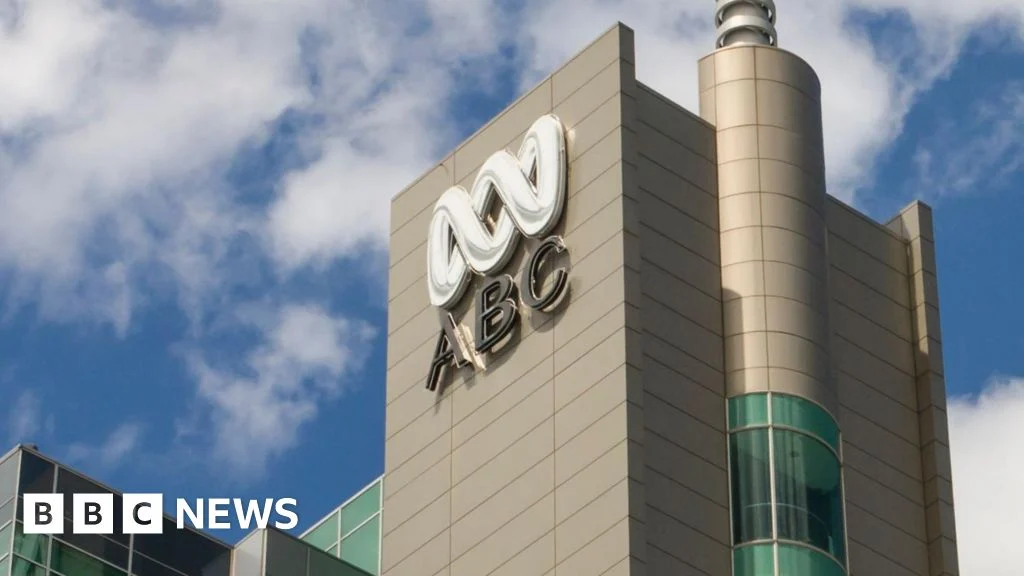
Sydney, Australia – Hundreds of journalists and staff at the Australian Broadcasting Corporation (ABC), the nation’s public broadcaster, have commenced a 24-hour strike today, Wednesday, marking the first industrial action of its kind in two decades. The walkout is a significant escalation in a dispute over pay and working conditions, with concerns also mounting over the potential impact of artificial intelligence (AI) on jobs and editorial integrity. The strike, which began at 11:00 local time (00:00 GMT), is expected to severely disrupt the ABC’s programming schedule, with flagship current affairs shows and breakfast programs slated to be absent from the airwaves.
The industrial action comes after a substantial majority of union members overwhelmingly rejected the ABC management’s latest pay offer. The proposed agreement, which would have seen a cumulative 10% pay increase spread over three years – starting with a 3.5% rise, followed by 3.25% in each of the subsequent two years – was deemed insufficient by staff. This offer falls significantly short of the current annual inflation rate in Australia, which stood at 3.8% in January, leading to a real-terms pay cut for many employees. Adding to the dissatisfaction, a one-off $1,000 bonus was offered, but this was explicitly excluded for casual staff, a decision that has further fuelled resentment. The rejection rate was a stark 60% of union members who participated in the vote, signalling a widespread discontent and a unified resolve to pursue industrial action.
The strike’s implications extend beyond immediate programming disruptions. Key broadcasts such as the highly regarded 7.30 evening current affairs program and the daily breakfast shows are among those that will not be produced live. In their place, viewers and listeners can expect reruns, pre-programmed content, and programming sourced from international partners like the BBC to fill the schedule gaps. Radio stations including Triple J and ABC Classic are also anticipating heavily curtailed live content, likely reverting to playing music only for the duration of the strike.
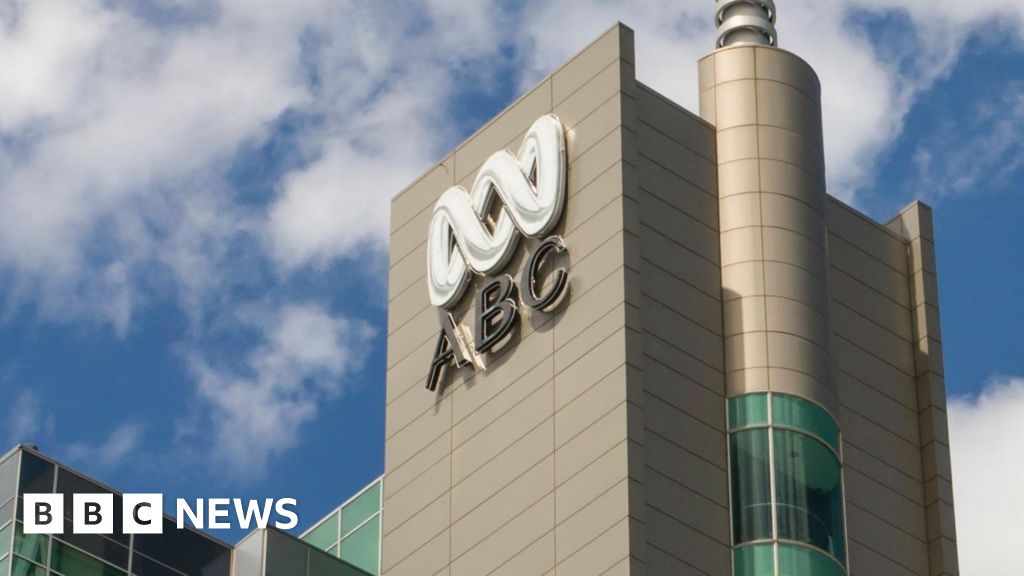
The ABC, a vital pillar of Australia’s media landscape, employs over 4,400 individuals, with its news division being the largest, comprising approximately 2,000 staff. The unionised workforce, represented by the Media, Entertainment & Arts Alliance (MEAA) and the Community and Public Sector Union (CPSU), has outlined a broader set of demands beyond just immediate wage increases. They are pressing for improved job security, the establishment of clear limitations on the use of AI technologies within the newsroom, higher rates of pay for night work, enhanced career progression pathways, and a reduction in the reliance on precarious short-term contracts. The refusal by ABC management to provide explicit assurances against the replacement of staff with AI has emerged as a particularly contentious point of contention.
Erin Madeley, the chief executive of the MEAA, articulated the sentiment of the striking workers, stating, "ABC staff don’t want to strike – they want to do their jobs. They want fair pay, secure work, and guardrails around the use of technologies like AI to protect editorial integrity and public trust." This sentiment underscores a deep-seated concern for the future of public service broadcasting and the ethical implications of technological advancement in journalism.
Melissa Donnelly from the CPSU echoed these concerns, emphasising the need for compensation that accurately reflects the escalating cost of living and acknowledges the indispensable role of a public broadcaster. "ABC plays such an important role in our society and in Australian storytelling and it’s really important ABC management come to the table," she told the Australian Associated Press. Her statement highlights the perceived disconnect between the value of the ABC’s work and the compensation offered to its dedicated staff.
In response to the strike and the ongoing dispute, ABC management has defended its offer, with Managing Director Hugh Marks asserting that the pay deal represents "the maximum level" the broadcaster can "sustainably provide" while remaining competitive within the industry. He further described the offer as "financially responsible and competitive for the industry" and "balanced when looking across all the factors that we need to consider."
The ABC has indicated its intention to take the dispute to Australia’s workplace tribunal, the Fair Work Commission, in an effort to facilitate a resolution. This move signals a commitment from management to seek a formal arbitration process to address the demands and counter-proposals.
The strike is a potent symbol of the broader challenges facing public service media organisations globally, including underfunding, the evolving media landscape, and the rapid integration of new technologies. The outcome of this dispute could set a precedent for industrial relations within the ABC and potentially influence discussions around similar issues at other national broadcasters. The solidarity displayed by ABC staff, underscored by their willingness to undertake a 24-hour strike after two decades, demonstrates the seriousness with which they view these negotiations and their commitment to securing a sustainable and equitable future for their organisation and their professions. The large gatherings planned at ABC’s principal offices in Sydney and Melbourne, where participants are expected to wear black as a mark of protest, are anticipated to be a visible and impactful demonstration of their collective voice.



 Nakalama John
 Ramos Leo
 Nana Banana