atisusanti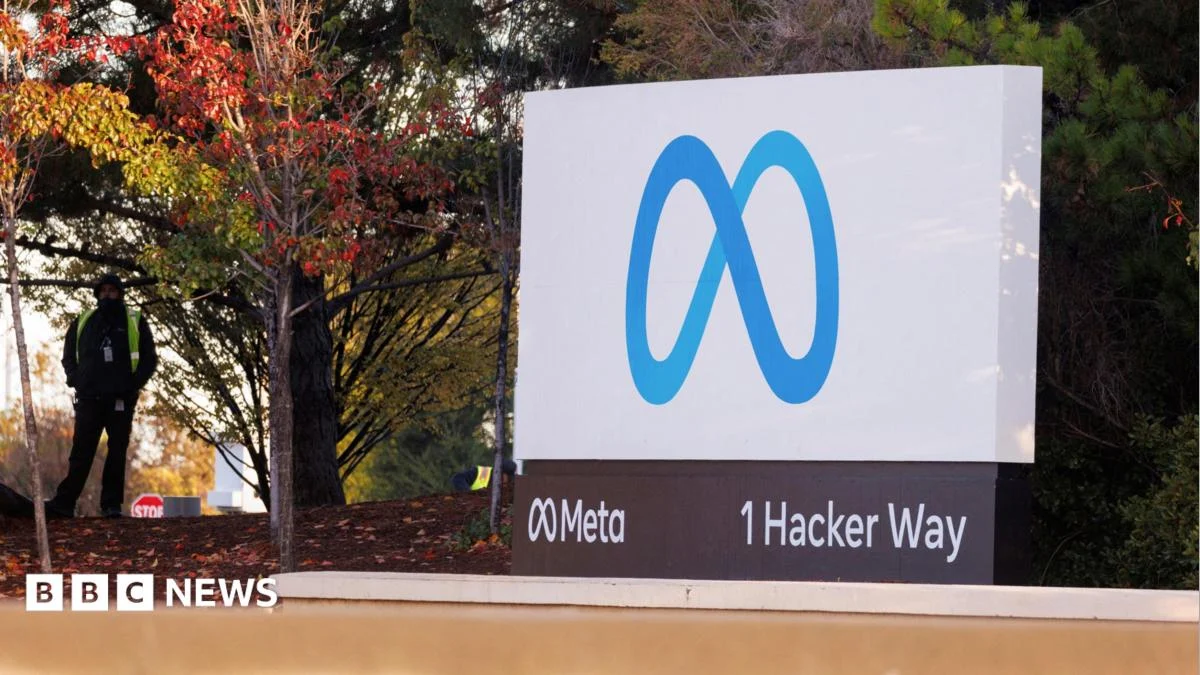
"This is a major moment to clean up an industry that has been hurting our kids," declared California Attorney General Rob Bonta, underscoring the gravity of the settlement. While Meta has maintained its denial of any wrongdoing as part of the settlement agreement, the company acknowledged that the substantial payment will be disbursed in annual installments over a ten-year period. The initial lawsuit that triggered this widespread legal action was filed in 2023 by 29 states, which accused Meta of numerous violations of federal and state child privacy laws, painting a grim picture of the company’s alleged practices.
Notably, New Mexico stands as one of the few states not part of this comprehensive settlement. Just last month, a federal judge in New Mexico delivered an historic ruling against Meta, deeming the company’s platforms a "public nuisance" on par with air pollution and ordering it to pay combined fines of nearly $1 billion. This separate ruling highlights the pervasive nature of the legal challenges Meta has faced concerning its impact on young users.
As a jury trial commenced last week in an Oakland, California federal courthouse, state lawyers presented a compelling case, arguing that Meta was acutely aware that millions of 11 and 12-year-old users were active on Instagram and Facebook over the years, yet "did little to keep them off" the platforms. The prosecution’s argument was heavily bolstered by evidence extracted from millions of internal Meta documents, including internal research, employee emails, and chat logs that reached as high as Chief Executive Mark Zuckerberg. These documents revealed internal research findings, such as one on Instagram that stated, "Teens have an addict’s narrative about use." Despite such internal acknowledgments, the states contended that Meta continued to actively target young users. "The trial did not go well for Meta," Bonta commented on Wednesday, indicating the prosecution’s confidence in their case.
Meta, throughout the brief trial, consistently asserted its commitment to child safety, detailing its extensive efforts over the years to enhance the safety of its platforms for younger users. The company emphasized its significant investments in testing, research, and the development of new safety features. Adam Mosseri, head of Instagram, testified in court, stating, "We’re always working on teen safety." His testimony, however, was cut short as the case settled and the court adjourned before he could reappear before the jury.
Prior to Mosseri’s testimony, George Volichenko, a former researcher at Meta, took the stand. He detailed his involvement in internal communications regarding Meta’s safety initiatives. Volichenko expressed his bewilderment during his tenure at the company in 2022 regarding the perceived lack of freedom afforded to his team to more effectively test and implement new safety features. He specifically mentioned "quiet mode," a feature designed to mute notifications for teen users during the night, noting that his team recognized its potential for wider adoption if it were enabled by default. Volichenko recalled his manager advising him not to be overly concerned with low adoption figures, as the team’s existence was partly intended to "protect the company against the upcoming lawsuits."
The settlement reached on Wednesday mandates that a feature called "night mode," which silences notifications between midnight and 6 am, will now be activated by default for young users. Furthermore, these settings are designed to be unalterable by minors, requiring parental or guardian intervention to disable them. "The framework we’ve negotiated will empower parents to easily manage how their children access our platforms," stated C.J. Mahoney, Meta’s chief legal officer, highlighting the intended benefit for parental control.
In addition to the default "night mode," the settlement includes several other crucial features for teen users:
- Default use of the strictest privacy settings: This will ensure that young users’ accounts automatically adhere to the most protective privacy configurations.
- Prohibition on direct messaging between teens and unknown adults: This measure aims to prevent unwanted contact and potential exploitation by unknown individuals.
- Limitations on data collection from teens: The settlement restricts the types and extent of data Meta can collect from its youngest users.
- Restrictions on advertising targeting to teens: Meta will be prohibited from targeting advertisements to users under 18 years old based on their activity on other Meta-owned platforms.
- Enhanced parental oversight tools: New tools will be introduced to give parents greater visibility and control over their children’s social media usage.
The new daily time limit for teen users is set to be reduced to one hour of total daily use. However, this specific restriction is contingent upon other major social media platforms, such as TikTok, Snap, and YouTube, also agreeing to implement similar new restrictions for their young users. Attorney General Bonta urged these platforms to follow suit, describing the settlement with Meta as "a good blueprint" for the industry. He suggested that his office would now intensify its focus on driving changes across the entire social media landscape if other companies do not adopt comparable safety measures. Meta has echoed this sentiment, with Mahoney stating, "Our new Time Limit commitments, Night Mode features and usage limits during school hours set the right path forward for our whole industry, but this framework will only work if all our peers join us." YouTube and TikTok have been contacted for comment regarding their potential participation.
District of Columbia Attorney General Brian Schwalb hailed the Meta deal as a "monumental public health victory." He added, "The safety features Meta is required to install will fundamentally and immediately change how young people use Instagram and Facebook." This sentiment is echoed by many who believe the settlement represents a significant step forward in holding social media companies accountable for their impact on the well-being of young people, and sets a precedent for future industry-wide reforms.




 Roy Suryo
 George Anjay
 Nakalama John
 Ramos Leo