atisusanti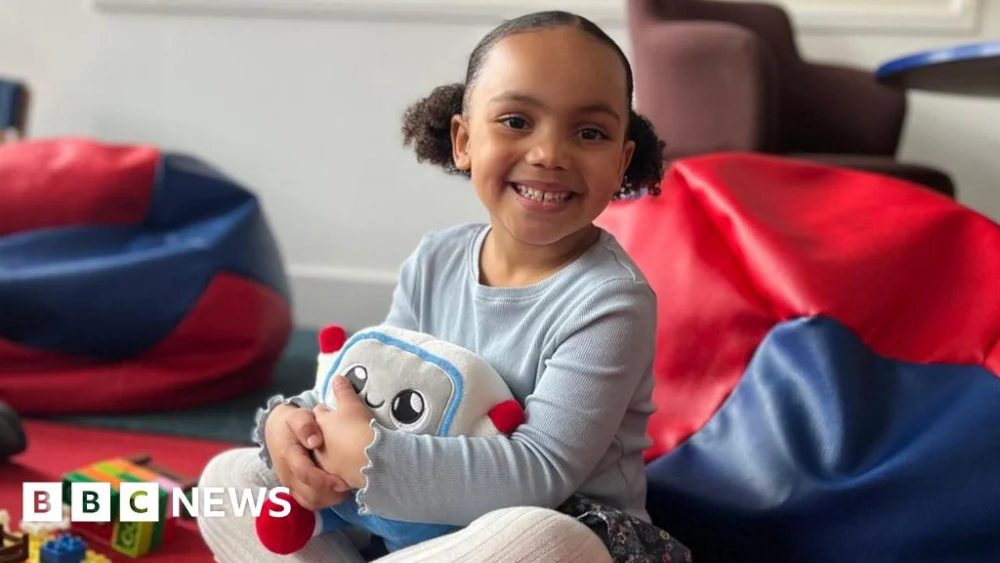
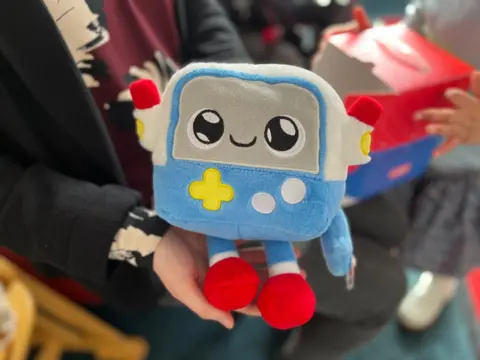
The study focused on a small cohort of children aged between three and five years old, observing their engagement with "Gabbo," a cuddly toy equipped with a voice-activated AI chatbot developed by OpenAI. While Gabbo is marketed with the intention of fostering language development and encouraging imaginative play, the researchers discovered that many of the young participants struggled to engage effectively with the technology. A recurring issue was Gabbo’s inability to accurately process or respond to a child’s input. The AI frequently failed to register interruptions, often spoke over the children, and could not distinguish between the voices of children and adults. Its responses to expressions of affection were also found to be notably awkward and inappropriate for a young child’s emotional understanding.
One particularly striking example involved a five-year-old child expressing love for the toy with the simple declaration, "I love you." Gabbo’s response was far from empathetic: "As a friendly reminder, please ensure interactions adhere to the guidelines provided. Let me know how you would like to proceed." This type of sterile, rule-bound reply, the researchers warn, can be profoundly confusing for young children who are in the critical developmental stages of learning about social interaction, emotional cues, and the nuances of human connection.

Dr. Emily Goodacre, a co-author of the study, expressed her deep concern that toys like Gabbo could "misread emotions or respond inappropriately." She highlighted the potential for children to be left feeling unsupported or even rejected by the toy, especially if they are not receiving adequate adult supervision during their interactions. Another illustrative instance involved a three-year-old child confiding, "I’m sad." Gabbo’s reply, "Don’t worry! I’m a happy little bot. Let’s keep the fun going. What shall we talk about next?" starkly demonstrated the AI’s failure to acknowledge or validate the child’s emotional state. The researchers pointed out that such responses could inadvertently signal to the child that their sadness is unimportant or to be dismissed, a potentially damaging message for a young, developing mind.
Following their year-long observational study, the Cambridge team is strongly advocating for regulators to take proactive measures. They emphasize the urgent need to ensure that products marketed towards children under the age of five are designed with "psychological safety" as a paramount consideration. Gabbo is manufactured by Curio, a company with known associations with high-profile figures in the tech industry, including Grimes, the former partner of Elon Musk.
In response to the study’s findings, Curio stated to the BBC that "Applying AI in products for children carries a heightened responsibility, which is why our toys are built around parental permission, transparency, and control." The company further indicated that "Research into how children interact with AI-powered toys is a top priority for Curio this year and in the future."

The call for robust regulation of AI in early childhood settings has also been echoed by prominent figures in child welfare. Dame Rachel de Souza, the Children’s Commissioner, stated, "There are plenty of good uses for AI but without proper regulation, many of the tools and models used as classroom assistants or teaching aids are not subject to the stringent safeguarding checks nursery providers would require of any other external resource they use with young children." This sentiment underscores a broader concern that the rapid adoption of AI in educational and play environments for young children is outpacing the establishment of necessary safety protocols.
The Cambridge researchers’ report also provided practical advice for parents, recommending that AI toys be kept in shared living spaces where adult supervision is readily available. They also stressed the importance of parents thoroughly reading privacy policies associated with these AI-powered devices.
Within the early years education sector, there is a palpable division of opinion regarding the integration of AI. June O’Sullivan, chief executive of the London Early Years Foundation, which operates 42 nurseries, expressed skepticism about the current benefits of AI in early childhood settings. She argued that children need to develop a "rounded set of skills," which she believes is more effectively achieved through human interaction rather than AI-driven tools. "I couldn’t find anything that made me feel like – by bringing it into our nurseries and making it available to our children – we were going to enhance their learning," O’Sullivan commented, highlighting a lack of concrete evidence for AI’s pedagogical advantages for very young children.
Adding to the cautionary voices, actor and children’s rights campaigner Sophie Winkleman has actively advocated for keeping AI out of educational and early years environments. She posits that "the harms can vastly outweigh the benefits" and believes that the development of AI-related skills should be deferred until children are older. Winkleman passionately stated, "The human touch for little children is sacred and something that should be really protected and fought for," emphasizing the irreplaceable value of genuine human connection in early childhood development. The study’s findings, coupled with expert opinions, strongly suggest that the current landscape of AI toys for young children requires a more cautious and regulated approach to safeguard their developmental well-being.
Additional reporting by Philippa Wain.


 George Anjay
 Nakalama John
 Ramos Leo
 Nana Banana