Ramos Leo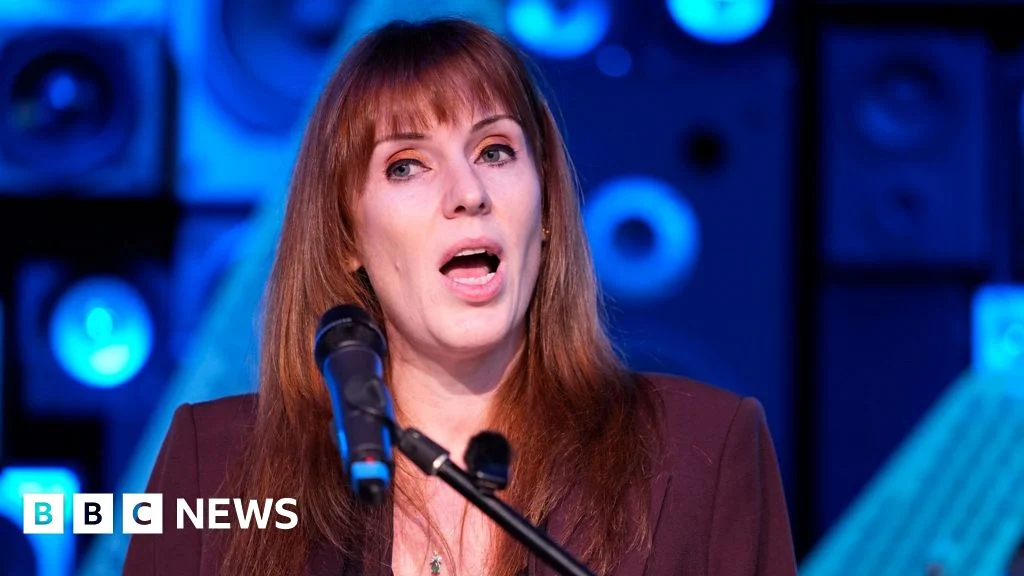
This was no mere policy intervention; it resonated as a deeply felt cry of frustration from a senior Labour figure, seemingly underwhelmed by what she perceives as the party’s underwhelming performance in office. The speech, far from being a simple dissent, laid out an alternative vision for how Labour could and should govern, a clear signal that the drumbeat of leadership speculation, which often lies just beneath the surface of British politics, has once again intensified around Rayner. Her words will undoubtedly be scrutinised for every nuance, reigniting the debate about her ambition to challenge Sir Keir for the party’s top job.
Rayner was at her most incisive, and certainly most provocative from Downing Street’s perspective, in her four-word conclusion: Labour is "running out of time". To utter such a phrase less than two years after a landslide general election victory is extraordinary, a stark challenge to the party’s perceived complacency and a direct indictment of its current trajectory. For a figure of Rayner’s prominence to suggest such urgency implies a profound dissatisfaction with the government’s pace, priorities, and perceived impact. It suggests a belief that the party is squandering its mandate and that the window for transformative change is rapidly closing.
She argued that an impression has been left that the government "represented the establishment, not working people. At worst, we became it." This particular accusation is deeply damaging within Labour circles, touching upon historical sensitivities and the party’s foundational identity. For Labour to be seen as indistinguishable from the very establishment it was formed to challenge is, for many, an ideological betrayal. It implies a drift from core socialist principles, a perceived compromise with the very structures of power it should be seeking to reform on behalf of the working class. This sentiment speaks to a wider disquiet among sections of the party that Starmer’s leadership has prioritised electability and cautious centrism over radical change, thereby losing touch with its grassroots and fundamental purpose.
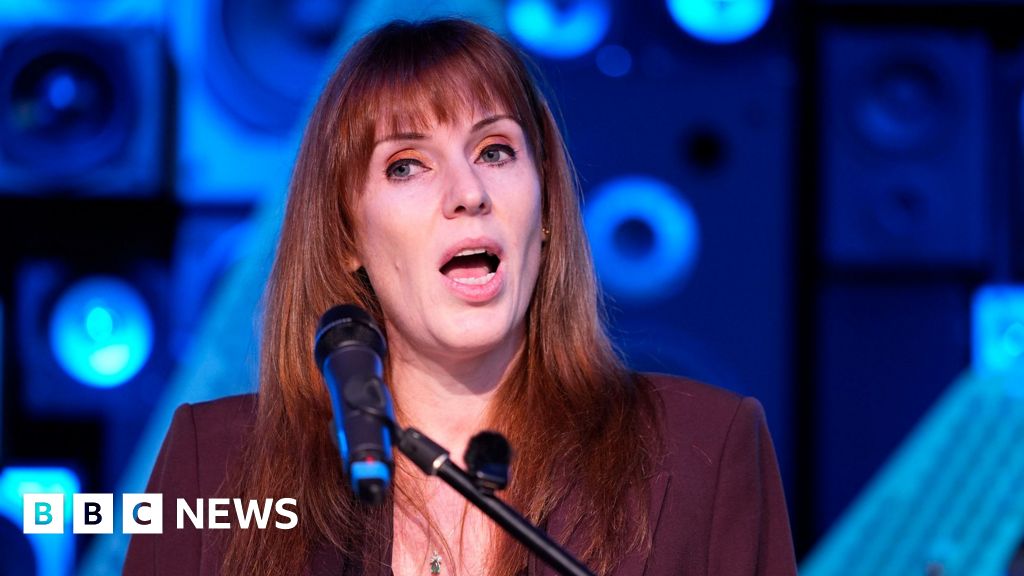
Further amplifying her urgent tone, Rayner declared that "the very survival of the Labour Party is at stake – as a party and a movement we cannot hide, we cannot go through the motions in the face of decline. We are running out of time." This is an existential warning, suggesting that the party’s current path risks not just electoral setbacks, but a deeper, more fundamental erosion of its relevance and support. It’s a call to arms, demanding a more proactive, ideologically driven approach, rather than what she implies is a reactive or complacent stance. The rhetoric evokes a sense of crisis, designed to galvanise a base that she believes feels increasingly disconnected.
Her declaration that "the Labour Party is at its best when we are bold" carried significant historical echoes. It was a line reminiscent of a restless Gordon Brown in 2003, who, as Chancellor under Tony Blair, appealed to what he called Labour’s "soul" and argued the party was "best when we are boldest." Brown’s words back then were an unambiguous signal of his own leadership ambitions and his desire for a more distinctively left-wing direction for the party, challenging Blair’s "New Labour" project. In the lexicon of Labour politics, "bold" is often thinly veiled code for a move towards more left-wing policies and a clearer ideological stance, contrasting with what is perceived as centrist caution. By invoking such a parallel, Rayner consciously positioned herself as an heir to a tradition of robust, principled Labour leadership, distinct from the current perceived orthodoxy.
Rayner’s audience for this provocative address was the relatively new "Mainstream" group within the Labour Party, a faction often associated with the influential Greater Manchester mayor, Andy Burnham. The group’s stated mission to foster "a popular Left with heart and vision" itself reads like an implicit, if not explicit, criticism of the current government’s approach. This mission suggests a belief that the current Labour Party lacks either sufficient "heart" (empathy, social justice focus) or "vision" (a clear, inspiring ideological direction), or both. While Mainstream aims to unite different strands of the party, its very existence and rhetoric highlight internal divisions over the party’s identity and future. Some on the right of the party view Mainstream with suspicion, suggesting it is too willing to flirt with elements of the hard left, including individuals who were closely associated with the controversial former Labour leader Jeremy Corbyn. One anonymous MP, clearly exasperated by the factionalism, quipped to the BBC: "A faction launched calling for the end of factionalism. Can’t make it up." This comment underscores the deep-seated mistrust and ideological fault lines that continue to plague the party, even after a decisive electoral victory.
Wrapped within Rayner’s broader critique was a direct broadside at a central plank of current government policy: Home Secretary Shabana Mahmood’s migration plans. Rayner chose to openly set herself against the government’s proposed restrictions on indefinite leave to remain (ILR), a status that grants individuals the right to live, work, and study in the UK indefinitely, with access to benefits if eligible. This move surprised some Labour MPs, who privately expressed their astonishment that Rayner would challenge a policy area often seen as electorally sensitive. One MP argued that while it’s "easy to be soft and cuddly" on immigration, the "huge numbers that came in under Boris [Johnson]" receiving indefinite leave to remain would inevitably fuel support for Reform UK, thereby undermining Labour’s electoral prospects. They suggested that a more robust stance on immigration was necessary to appeal to a broader electorate concerned about population pressures.
However, another Labour MP offered a different perspective, claiming that Rayner’s opposition was straightforward because "the whole PLP hate it," a reference to the Parliamentary Labour Party. This suggests that while public dissent might be rare, there is significant internal discomfort with the government’s approach to migration. A minister, however, offered a more cynical interpretation, suggesting that Rayner’s support in a potential leadership campaign was not as assured as many believed. They claimed her decision to attack the government from the left on immigration was a calculated move designed to "firm up" support from "soft left" MPs, positioning herself as a champion of traditional Labour values against a perceived rightward shift. Crucially, the changes to indefinite leave to remain do not require a parliamentary vote, meaning there is no immediate legislative moment for this opposition to come to a head. Rayner’s intervention, therefore, serves more as a statement of ideological intent and a signal of internal dissent rather than a direct challenge to a vote.
Perhaps the most significant obstacle, and one that remains unresolved, is the ongoing issue of Rayner’s tax affairs. Several Labour MPs questioned this morning whether she could realistically stand for the leadership with this issue outstanding. The tax problems, which precipitated her departure from the cabinet last autumn, are occasionally mentioned by voters on the doorstep, according to MPs, serving as an example of their broader frustration with the Labour government. This persistent shadow over her financial conduct could severely undermine her credibility and electability in any leadership contest, providing an easy target for opponents both within and outside the party. The inability to fully resolve this matter casts a long shadow over her political ambitions.
It is particularly notable that Rayner’s intervention has come after a few weeks where the leadership issue appeared to have calmed, not least because of the Prime Minister’s handling of recent geopolitical events in the Middle East, for which he had mostly won credit within the parliamentary Labour Party. This period of relative stability, where Starmer was seen to be leading effectively on foreign policy, has now been abruptly shattered. "The fragile peace in the team room is shattered," one MP lamented, encapsulating the renewed internal turbulence her speech has unleashed.
Invited to comment on Rayner’s pointed remarks to Tuesday night’s gathering, Downing Street politely declined, maintaining a public composure that likely belied internal concern. With Prime Minister’s Questions just a few hours away, those invitations to comment, and the ensuing political fallout, may only just be beginning. Rayner’s speech has unequivocally reignited the simmering tensions within Labour, forcing the party to confront uncomfortable questions about its direction, leadership, and fundamental identity. The challenge has been laid, and the consequences for Sir Keir Starmer’s leadership, and indeed the future of the Labour Party, are now once again subject to intense and renewed speculation.




 Roy Suryo
 Nakalama John
 atisusanti