
 Nana Banana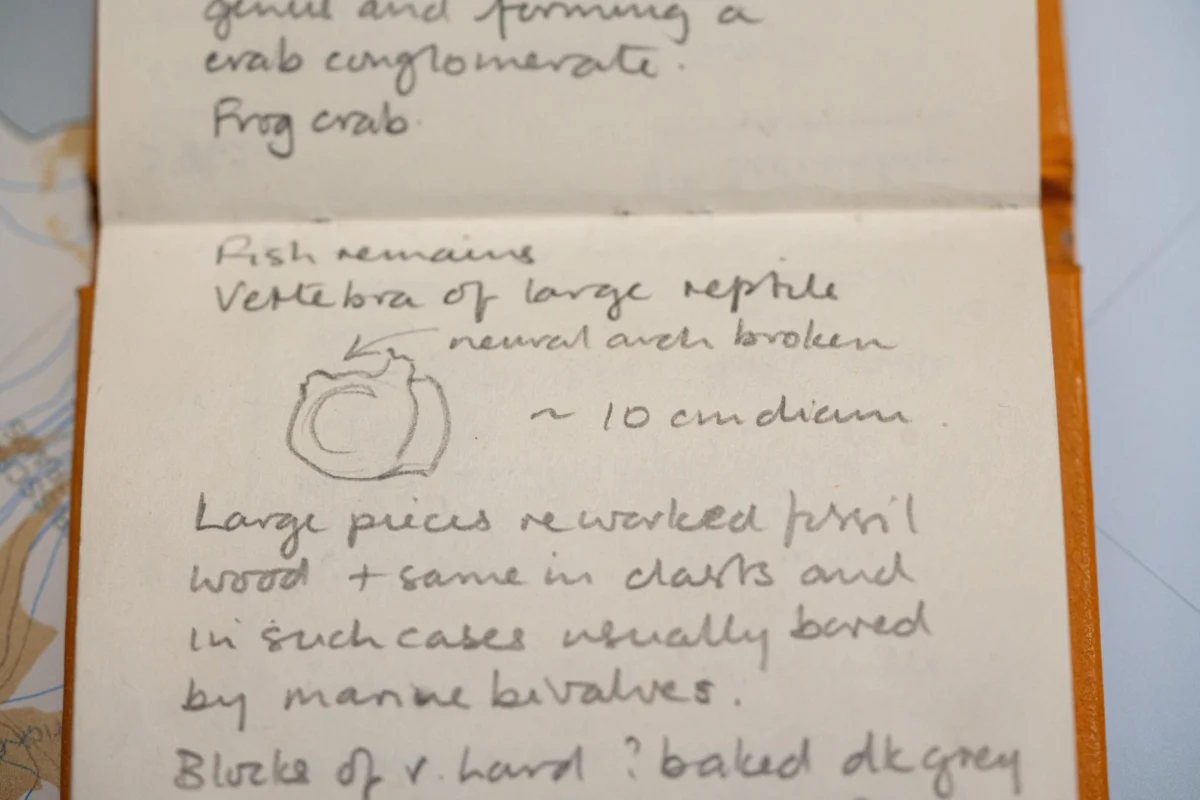
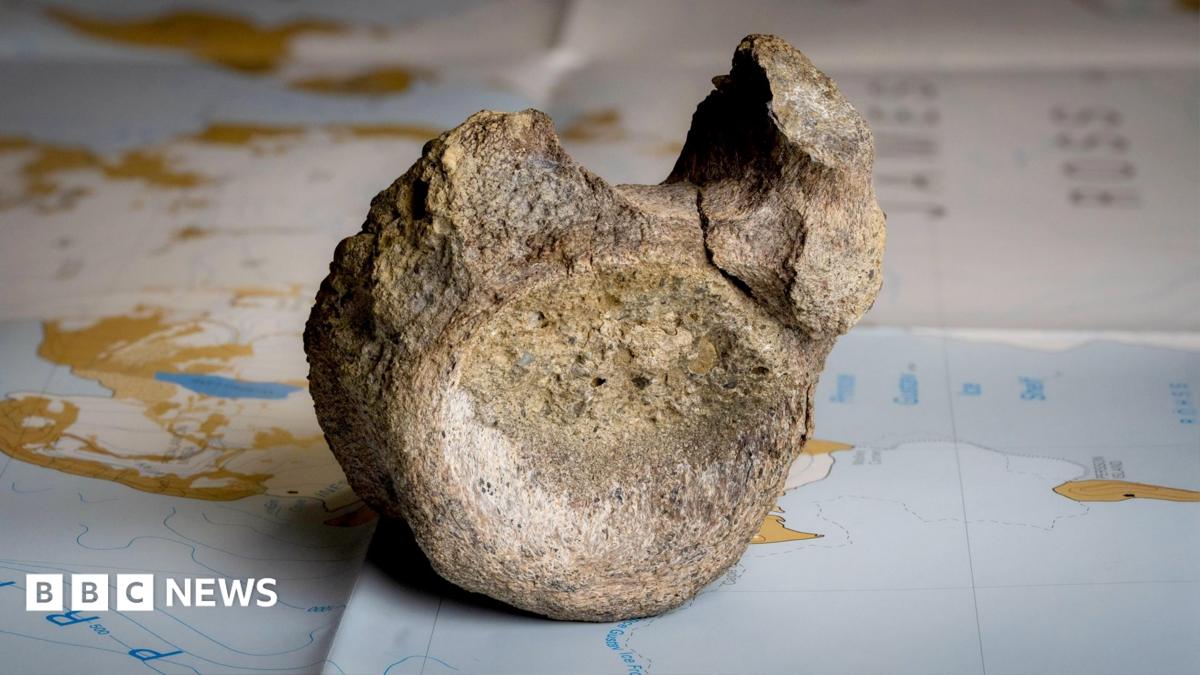
The specimen, a single tail vertebra approximately 10cm in diameter, was originally unearthed in 1985 by a geological team working on James Ross Island, off the northern tip of the Antarctic Peninsula. At the time of its discovery, the scientists, primarily focused on geological mapping and marine fossils, were unsure of its precise identity. Though recognized as belonging to a "large reptile," its true significance as a terrestrial dinosaur bone from Antarctica remained obscured, leading to its careful storage among thousands of other geological specimens. For forty years, this pivotal piece of paleontological history lay dormant, a silent witness to a vibrant prehistoric world now buried beneath miles of ice.
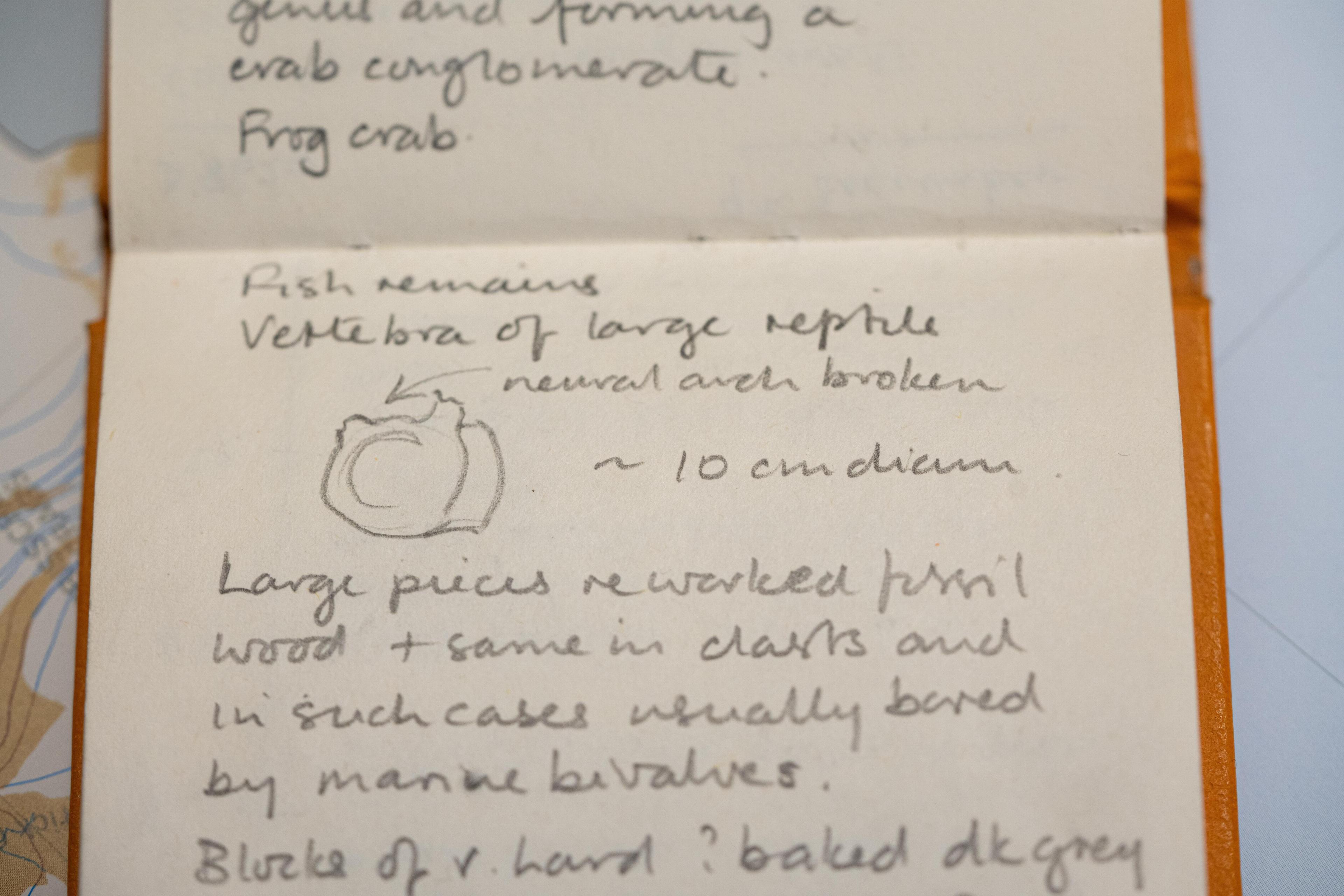
The re-evaluation and subsequent identification began when Dr. Mark Evans, the diligent collections manager at BAS, embarked on the systematic task of cataloging and curating the vast geological collection. Sifting through countless boxes and drawers, Dr. Evans’ experienced eye landed on the enigmatic bone. Its distinctive morphology immediately suggested something more terrestrial than marine. "It’s only when you start thinking ‘what’s in this drawer’, that sometimes you come across something and you think, ‘Ah, this looks interesting’," he recounted, highlighting the quiet thrill of discovery within the confines of a research facility. The initial suspicion that this could be a dinosaur was heightened by the accompanying field notes of geologist Dr. Mike Thomson, who meticulously sketched the fossil on December 9, 1985, labeling it "vertebra of large reptile" and noting its dimensions. While Thomson’s initial assessment correctly identified it as a large reptilian vertebra, the specific classification as a dinosaur, particularly a Titanosaur, would require the specialized expertise of a palaeontologist.
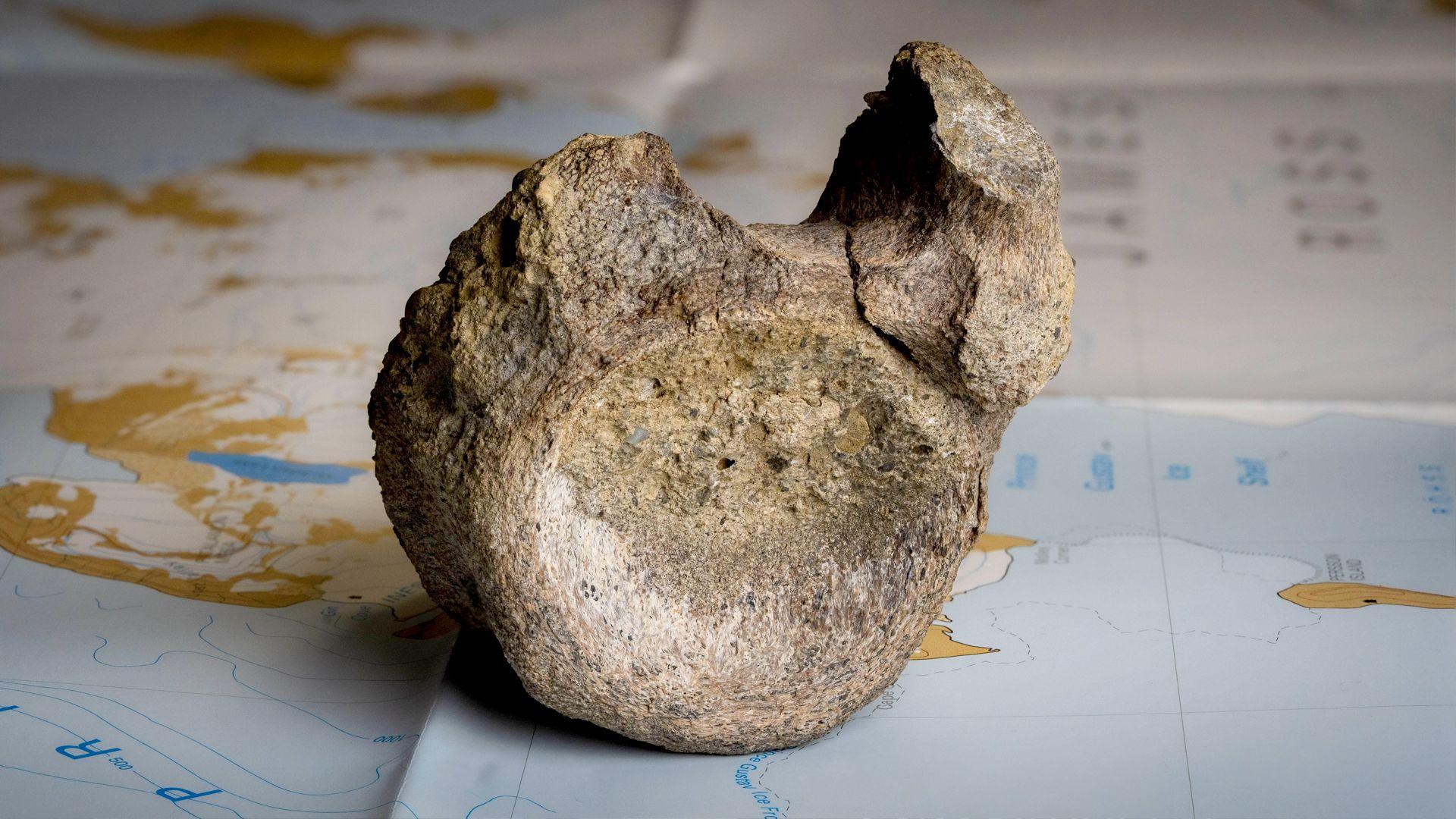
Recognizing the immense potential of the specimen, Dr. Evans promptly consulted Professor Paul Barrett, a leading dinosaur researcher from the Natural History Museum (NHM). Professor Barrett, upon examining the fossil, wasted no time in confirming Dr. Evans’ suspicions. Holding the weathered bone, Professor Barrett pointed out its unique features: a prominent hollow on one end and a distinctive rounded bump on the other. This "ball-and-socket" articulation pattern, where one vertebra fits into the next, is a characteristic feature of sauropod dinosaurs, particularly the group known as Titanosaurs. "Although it’s not too much to look at, it actually has a really distinctive shape," Barrett explained. "As soon as I saw it, I knew what we were dealing with… it was a dead cert we were dealing with a Titanosaur. This is a combination of features that’s completely unique to these types of dinosaurs."
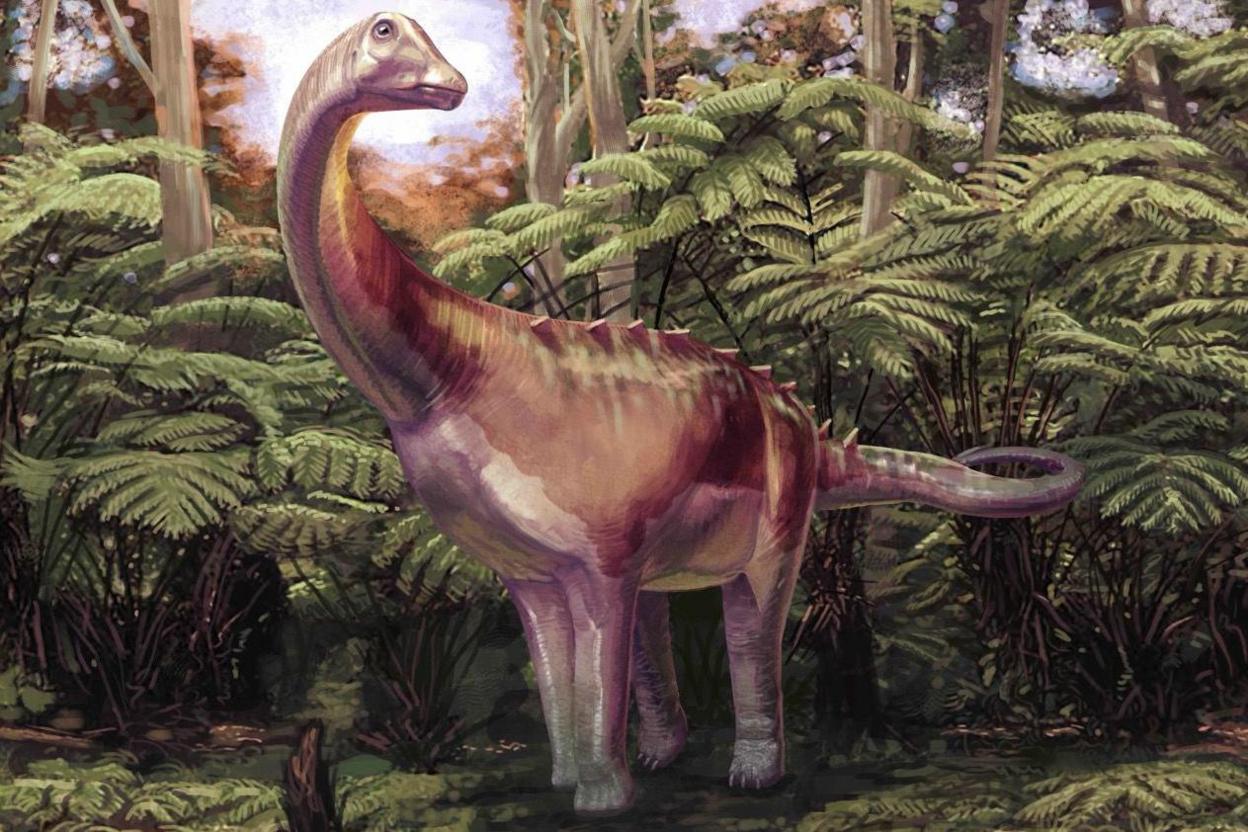
Titanosaurs represent a diverse group of long-necked, four-legged herbivorous dinosaurs that roamed the Earth during the Cretaceous Period. They were among the largest land animals to ever exist, with some species reaching lengths of over 115 feet (35 meters) and weighing up to 60 tonnes, rivaling the size of large whales. These colossal plant-eaters sported long, whip-like tails that likely served as counterbalances to their elongated necks, allowing them to browse on high foliage. More than 100 species of Titanosaurs have been identified across various continents, underscoring their global prevalence and evolutionary success. Based on the size of the newly identified Antarctic tail bone, scientists estimate that this particular Titanosaur measured approximately 23 feet (7 meters) in length. This relatively smaller stature raises intriguing questions: was it a juvenile, or did this Antarctic lineage evolve into genuinely smaller adults, bucking the trend of gigantism seen in many of its relatives?
The presence of a Titanosaur in Antarctica 82 million years ago, during the Late Cretaceous Period, paints a dramatically different picture of the continent than its current icy landscape. Far from being a barren, frozen wasteland, Late Cretaceous Antarctica was a verdant land of lush, temperate forests, teeming with diverse flora and fauna. Global temperatures were significantly warmer, and there were no permanent polar ice caps. High-latitude forests, including conifers, ferns, and flowering plants, would have provided an abundant food source for large herbivores like Titanosaurs. This rich ecosystem would have supported a variety of life forms, creating a vibrant prehistoric world at the bottom of the globe. The discovery provides crucial evidence for understanding paleoclimate and biogeography, demonstrating that Antarctica was once an integral part of a supercontinent, Gondwana, facilitating the dispersal of dinosaur lineages across what are now widely separated landmasses.
The historical primacy of this discovery cannot be overstated. While other dinosaur fossils have been identified in Antarctica since 1985, this particular specimen holds the distinction of being the first found and documented as a dinosaur bone on the continent. The rarity of dinosaur fossils in Antarctica is largely attributed to the extreme challenges of paleontological fieldwork in such a remote and harsh environment. Vast ice sheets conceal most of the underlying rock, and the short, often brutal field seasons limit the scope of exploration. This makes every Antarctic dinosaur discovery incredibly valuable, providing critical pieces to the puzzle of ancient life at the poles.
The identification of this Titanosaur vertebra offers more than just a historical footnote; it provides significant insights into the broader ecosystems of the Late Cretaceous. The existence of a large herbivore suggests a complex food web and a stable, productive environment capable of supporting such megafauna. It helps scientists to better understand how these dinosaurs adapted to high-latitude environments, even if those latitudes were significantly warmer than today. The find contributes to the ongoing effort to reconstruct ancient continental configurations and migration routes, shedding light on the interconnectedness of Earth’s landmasses millions of years ago.
This discovery also serves as a powerful testament to the enduring value of scientific collections. Often unseen by the public, these meticulously cataloged specimens in university and museum drawers are not merely relics of past expeditions but active archives of scientific potential. They represent a reservoir of information waiting to be re-examined with new technologies, fresh perspectives, and evolving scientific understanding. The quiet work of collections managers like Dr. Mark Evans is fundamental to future breakthroughs, demonstrating that groundbreaking discoveries can emerge not only from remote field sites but also from within the organized shelves of an institution.
The public’s fascination with these ancient giants continues, exemplified by exhibitions such as the Titanosaur cast on loan from the NHM, currently on display at Peterborough Cathedral. Such initiatives help bridge the gap between scientific research and public engagement, bringing the wonders of palaeontology to a wider audience. The story of this Antarctic Titanosaur, from its initial discovery in the field, through decades of obscurity in a drawer, to its eventual recognition as a pioneering find, encapsulates the dynamic and often surprising nature of scientific exploration. It underscores that even in the age of advanced technology, the human eye, informed by expertise and curiosity, remains an indispensable tool in uncovering Earth’s deepest secrets. A paper detailing this landmark discovery has since been published in the scientific journal Acta Palaeontologica Polonica, cementing its place in the annals of Antarctic exploration and dinosaur research.




 atisusanti
 George Anjay
 Nakalama John

 Ramos Leo