Nakalama John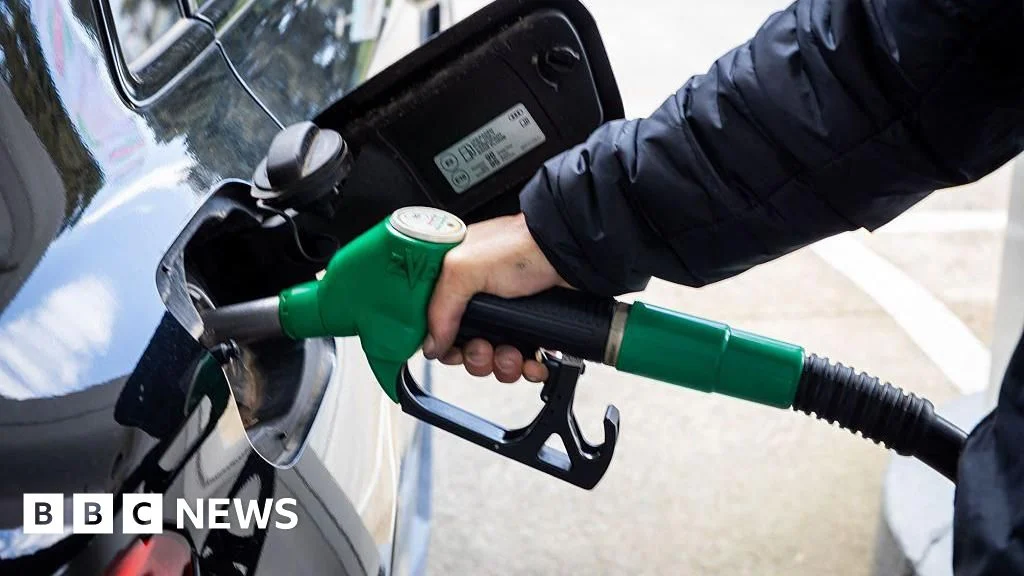
Japan’s benchmark Nikkei 225 index led the losses in the region, closing down a substantial 3.5%, reflecting profound investor anxiety in a nation heavily reliant on stable energy supplies from the Middle East. South Korea’s Kospi index followed suit with an even steeper decline, falling by 6.5%, underscoring its equally vulnerable position given its significant energy import dependency. The contagion quickly spread to other global markets, with London’s FTSE 100 index opening down 1.4% in early European trading, signaling a widespread risk-off sentiment dominating investor behavior. Other major Asian indices, though not explicitly mentioned in the initial report, likely mirrored these declines, with Hong Kong’s Hang Seng and mainland China’s Shanghai Composite also bracing for significant impacts from the heightened tensions.
The immediate trigger for this market turmoil was a stark warning issued by US President Donald Trump on Saturday. In a highly charged statement, Trump declared his intent to "obliterate" Iranian power plants if Tehran failed to fully open the strategically vital Strait of Hormuz shipping route. This ultimatum, delivered with a 48-hour deadline from his social media post, significantly raised the stakes in an already fraught standoff. Iran swiftly responded to this aggressive posture, vowing to retaliate against any such strikes by targeting crucial infrastructure within the region. This exchange of threats painted a grim picture of potential full-scale military conflict, directly impacting the arteries of global energy supply.
The economic ramifications of such an escalation are particularly severe for nations like Japan and South Korea. These advanced industrial economies are critically dependent on oil and liquefied natural gas (LNG) imports, a substantial portion of which historically traverses the Strait of Hormuz. The prospect of this vital waterway being closed or severely disrupted by military action has ignited fears of crippling energy shortages and skyrocketing costs that could derail their economies.
Indeed, the Strait of Hormuz is not merely a regional bottleneck; it is a global chokepoint of unparalleled importance. Approximately 20% of the world’s total oil consumption and a significant proportion of its liquefied natural gas usually pass through this narrow maritime corridor. The ongoing conflict, even without a full closure, has already caused profound disruptions, leading to a dramatic surge in global fuel prices. Tanker traffic has become increasingly hazardous, leading to higher insurance premiums and logistical nightmares, which are inevitably passed on to consumers.
Adding to the gravity of the situation, Fatih Birol, the chief of the International Energy Agency (IEA), issued a dire warning on Monday. Speaking at the National Press Club in Australia’s capital, Canberra, Birol cautioned that the current conflict could plunge the world into its most severe energy crisis in decades. He drew stark parallels between the present predicament and the oil crises of the 1970s, which were triggered by geopolitical events in the Middle East, and the profound energy market shock caused by Russia’s 2022 invasion of Ukraine. "This crisis as things stand is now two oil crises and one gas crash put all together," Birol stated, emphasizing the unprecedented confluence of challenges facing the global energy landscape. He elaborated that unlike previous crises, the current situation involves simultaneous pressures on both oil and natural gas markets, exacerbated by pre-existing supply chain vulnerabilities and inflationary pressures.
The precise timing and nature of President Trump’s ultimatum added to the urgency. His social media post, published at 23:44 GMT Saturday, explicitly stated: "If Iran doesn’t FULLY OPEN, WITHOUT THREAT, the Strait of Hormuz, within 48 HOURS from this exact point in time, the United States of America will hit and obliterate their various POWER PLANTS, STARTING WITH THE BIGGEST ONE FIRST!" This direct and public threat left no room for ambiguity, forcing markets and governments worldwide to confront the immediate possibility of a dramatic escalation.
This aggressive stance from the US followed a series of Iranian missile strikes that hit the Israeli city of Dimona, a site believed to house Israel’s nuclear reactor, and a subsequent attack on the nearby town of Arad. These attacks by Iran signaled a readiness to directly target Israeli strategic assets, moving beyond proxy conflicts and raising the direct military confrontation between the two nations to an alarming new level.
In response to Trump’s threat, Mohammad Bagher Ghalibaf, the speaker of the Iranian parliament, issued a stern counter-warning on Sunday. He asserted that if Iran’s power plants were attacked, energy and desalination infrastructure throughout the entire region would be "irreversibly destroyed." Such a response could cripple not only Iran’s adversaries but also neutral nations in the Gulf, exacerbating the energy crisis and potentially triggering a humanitarian catastrophe due to widespread water shortages. This threat underscores Iran’s capacity and willingness to inflict widespread damage, transforming a bilateral conflict into a broader regional conflagration with global implications.
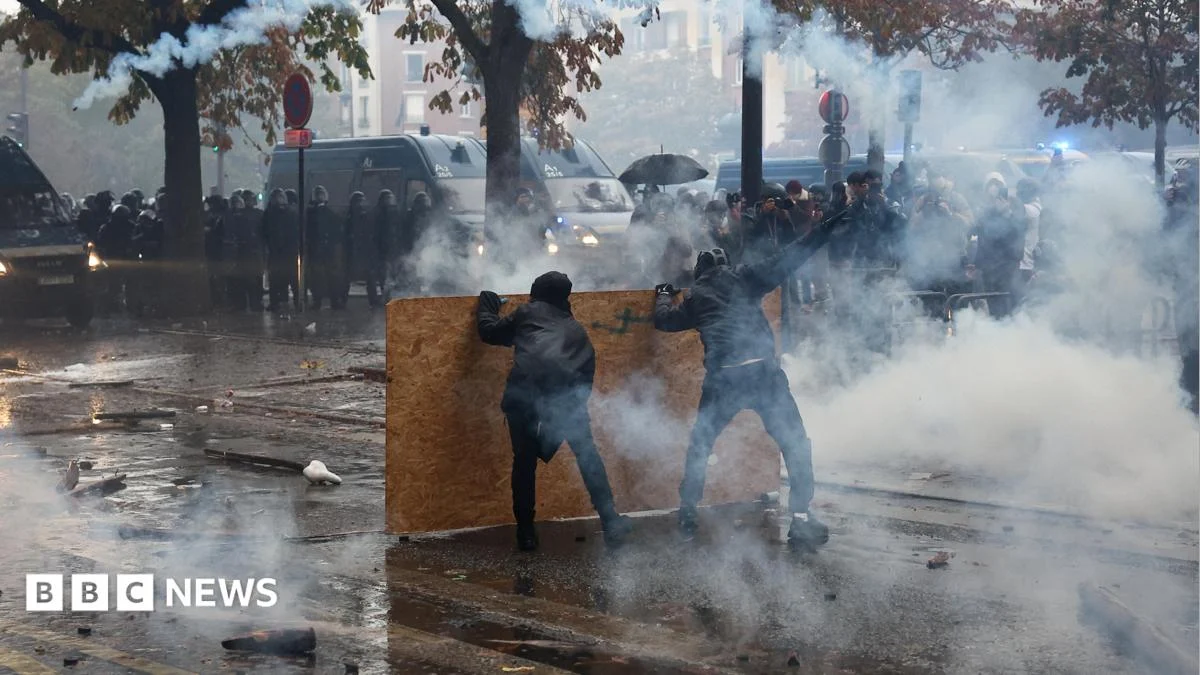
Analysts are closely monitoring the situation for any signs that these verbal threats will translate into concrete military actions. Simon Flowers, chairman and chief analyst at energy consultancy Wood Mackenzie, articulated this sentiment, stating that markets were anxiously waiting to see if the threats were "carried through." Speaking to the BBC’s Today programme, Flowers remarked, "If the US does strike Iranian infrastructure, it escalates the whole intensity of the war a step further and then we’d have to see if Iran strikes back at infrastructure tit-for-tat as they’ve done over the last week or so." This tit-for-tat cycle of attacks and counter-attacks risks spiraling out of control, making de-escalation increasingly difficult.
The immediate market reaction to these heightened tensions was evident in crude oil prices. On Monday, global oil prices surged, with Brent crude, the international benchmark, climbing more than 1% to trade above $113.40 (£85.30) a barrel. US-traded West Texas Intermediate (WTI) crude also saw a significant increase, rising more than 2% to reach $100.50 a barrel. These price hikes reflect profound concerns about potential supply disruptions, given that a significant portion of Middle Eastern oil production could be at risk if the conflict intensifies further. The cost of gasoline and diesel for consumers is set to rise, adding to inflationary pressures already gripping many economies.
The ripple effects of the conflict are being felt far beyond the immediate region. In the United Kingdom, Prime Minister Sir Keir Starmer engaged in a telephone conversation with President Trump on Sunday. Their discussions reportedly focused on the urgent need to reopen the Strait of Hormuz and restore stability to global shipping lanes. This conversation highlights the international dimension of the crisis and the pressure on world leaders to find a diplomatic resolution, however distant that may seem.
Later on Monday, Sir Keir Starmer was scheduled to chair a critical meeting of the government’s emergency Cobra committee. This high-level gathering was expected to include key cabinet ministers and, significantly, Bank of England governor Andrew Bailey. The meeting’s agenda was anticipated to center on strategies for ensuring energy security and bolstering the resilience of supply chains in the face of mounting geopolitical risks. Crucially, discussions were also expected to address the profound impact of the escalating war on the already strained cost of living for British households, signaling widespread concerns about potential economic hardship and inflationary spirals if the conflict is not contained. The involvement of the central bank governor underscores the severity of the economic threat posed by the escalating Middle East crisis.



 George Anjay
 atisusanti
 Ramos Leo