Nana Banana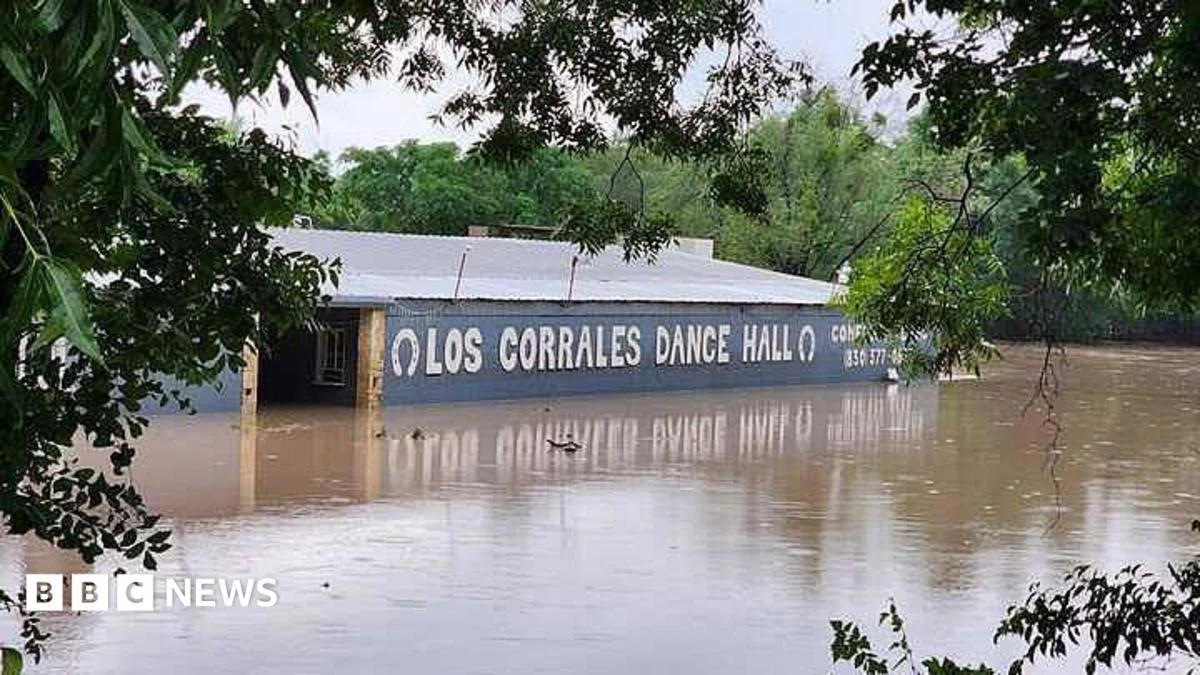
Central Texas is once again grappling with a catastrophic flood event, claiming at least one life and triggering widespread evacuations, eerily mirroring the devastating flash floods that killed more than 130 people in the very same region just last summer. Governor Greg Abbott confirmed the fatality Thursday afternoon, adding a grim update to the unfolding disaster. The National Weather Service (NWS) in San Antonio has issued urgent warnings of "large and deadly" flooding stemming from the Guadalupe River, which has been relentlessly swollen by days of torrential rainfall. This same river was the genesis of last year’s unprecedented tragedy, raising fears of a chilling repetition for communities still recovering from previous losses.
Emergency officials began encouraging residents in the affected areas to evacuate early Thursday morning as the situation rapidly deteriorated. The memories of last July’s devastation are fresh in the minds of Texans, particularly the horrific toll on Camp Mystic, an all-girls camp near Kerrville. That prior flood claimed 25 young campers and two counselors, a tragedy that sent shockwaves across the nation. This year, while the initial reports indicate the single fatality was not a camper, the threat to life and property remains paramount in the region.
Governor Abbott, addressing the escalating crisis, assured the public via a social media post that "We will be doing everything possible to save human life." He further reported that approximately 80 rescues had already been conducted by the afternoon, underscoring the immediate and severe danger posed by the "rapidly rising rivers." The NWS has maintained a constant stream of critical updates, emphasizing the urgent need for residents to seek higher ground without delay. Their stark warning on X, "CATASTROPHIC flooding is occurring. Move to higher ground now! Guadalupe River is rapidly rising and will continue!" painted a grim picture of the imminent peril.
The sheer speed and magnitude of the river’s rise have been staggering. According to the Texas Tribune, the Guadalupe River surged an astounding 32 feet (975 cm) in a mere four-hour span, transforming tranquil waterways into raging torrents. This dramatic increase highlights the volatile nature of the river and the extreme intensity of the rainfall. The flooding has impacted a wide swath of South Texas, engulfing several counties including Uvalde, Kerr, and Kendall, disrupting daily life and threatening thousands of homes and businesses.
Visual evidence from the affected zones paints a harrowing scene. Videos depict cars gingerly navigating submerged roads, the brown, churning water reaching precariously close to their windows. In one particularly poignant clip, a group of deer, symbols of the region’s natural beauty, were seen struggling against the powerful current, their heads stretched high above the water as they drifted helplessly. Rescuers, often wading through chest-deep water, were captured lifting small children from the rising waters, carrying them to safety with desperate urgency. Residential areas, usually peaceful and dry, were transformed into vast, brown soups, with parked cars half-submerged under the relentless downpour.
One such resident caught in the heart of the disaster is Carter Lopez, 30, who lives in Boerne, Texas, one of the communities ravaged by the floods. Lopez recounted to BBC News his harrowing experience helping to pull people out of the water near his apartment complex. His downstairs neighbors bore the immediate brunt of the storm, with nearly four inches of water invading their home, forcing them to seek refuge in Lopez’s apartment upstairs. The sense of déjà vu is palpable for many locals. Lopez noted that last year’s floods, while destructive, were "not quite as bad" in Boerne itself, which had been less affected than nearby Kerr, the home of Camp Mystic. Yet, the current intensity has surpassed even that. "This is not something we could really prepare for," Lopez admitted, his words echoing the sentiment of many caught off guard by the sheer force of nature.
The shadow of last year’s tragedy at Camp Mystic looms large over the current events. During the catastrophic July of the previous year, the Guadalupe River, in an act of terrifying speed, rose an astonishing 26 feet in approximately 45 minutes, sweeping through the camp on what should have been a joyous Fourth of July holiday. The camp, a cherished institution for generations of young girls, became a scene of unimaginable horror as 25 campers were tragically swept away by the forceful currents and lost their lives. The emotional and financial toll on Camp Mystic was immense. In the wake of the disaster, the camp made the difficult decision not to reopen its doors this year, and earlier this year, it was forced to file for bankruptcy, a poignant testament to the enduring impact of the 2024 floods. The fact that the current devastation is unfolding in the same geographic area, driven by the same river, amplifies the region’s trauma and the profound challenges it faces in achieving recovery and resilience.
The relentless rainfall, a characteristic feature of extreme weather events, has left infrastructure strained and communities vulnerable. Beyond the immediate rescues, the long-term impact on homes, roads, and utilities will be substantial. Power outages have been reported in various areas, further complicating rescue efforts and making communication difficult for affected residents. The psychological toll on those who have endured multiple flood events cannot be overstated, fostering a pervasive sense of anxiety and insecurity. As the "rapidly rising rivers" continue their surge, as warned by Governor Abbott, the full extent of this latest disaster in Central Texas remains to be seen. The region, known for its scenic beauty and recreational opportunities along the Guadalupe River, is once again forced to confront the destructive power of nature and the painful reality of recurring catastrophic floods. The urgent call for safety and the somber reports of a confirmed fatality serve as a stark reminder of the ongoing peril facing the heart of Texas.


 Roy Suryo