
 Nana Banana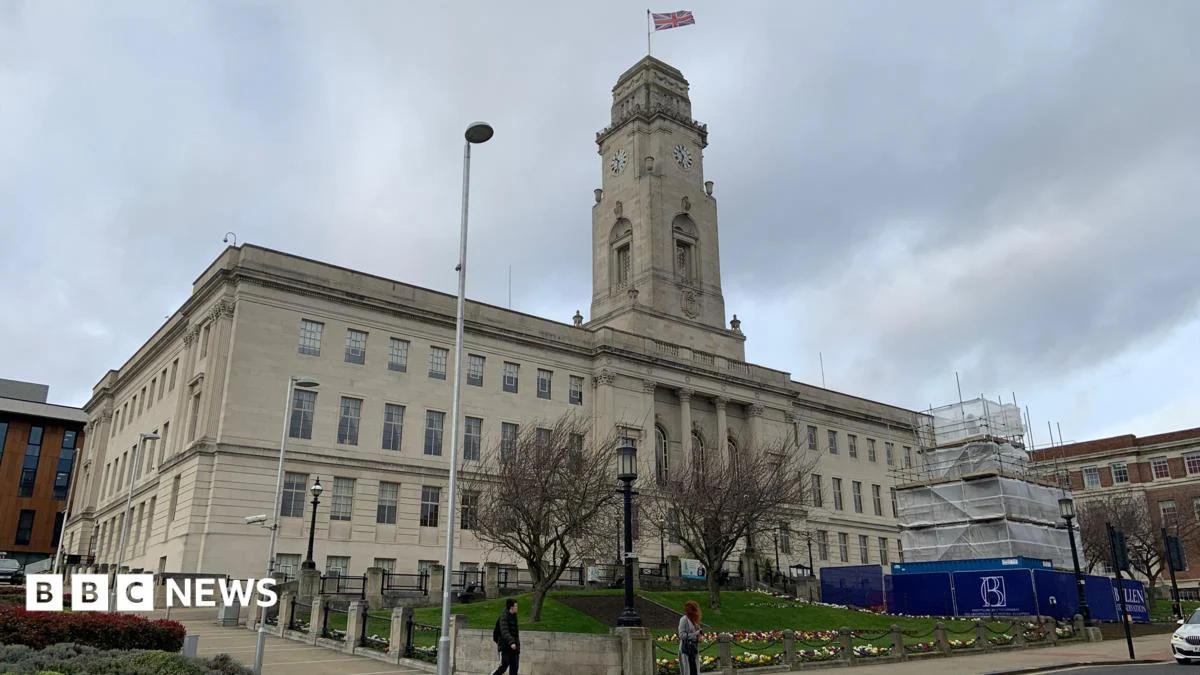
At the heart of Barnsley’s existing environmental framework are two key strategies: Zero40 and Zero45. Zero40 is the council’s internal environmental strategy, meticulously designed to guide its own operations and reduce its carbon emissions to achieve net zero by 2040. This involves a comprehensive overhaul of council buildings, fleet vehicles, energy procurement, and waste management practices, aiming to set an example for the wider borough. In parallel, Zero45 is the more ambitious borough-wide strategy, targeting net zero emissions for the entire Barnsley area by 2045. This broader objective necessitates collaboration with local businesses, residents, educational institutions, and community groups to foster sustainable practices across all sectors, including transport, housing, industry, and agriculture. The sheer scale and complexity of Zero45 present significant challenges, requiring substantial investment, behavioural change, and innovative solutions.
However, despite these ambitious targets, a critical report from 2024 cast a shadow over the council’s progress, unequivocally stating that the authority was not "on track" to reduce its carbon emissions in line with its own goals. This assessment likely highlighted deficiencies in implementation, insufficient funding, unforeseen obstacles, or perhaps a lack of consistent political drive. The report’s findings would have served as a stark reminder of the monumental task ahead and potentially provided ammunition for those advocating a re-evaluation of the current strategy. While specific details of the report’s shortfalls were not immediately made public in the provided context, such a statement typically indicates missed interim targets, insufficient investment in carbon reduction projects, or slower-than-anticipated adoption of sustainable practices within council operations and across the borough.
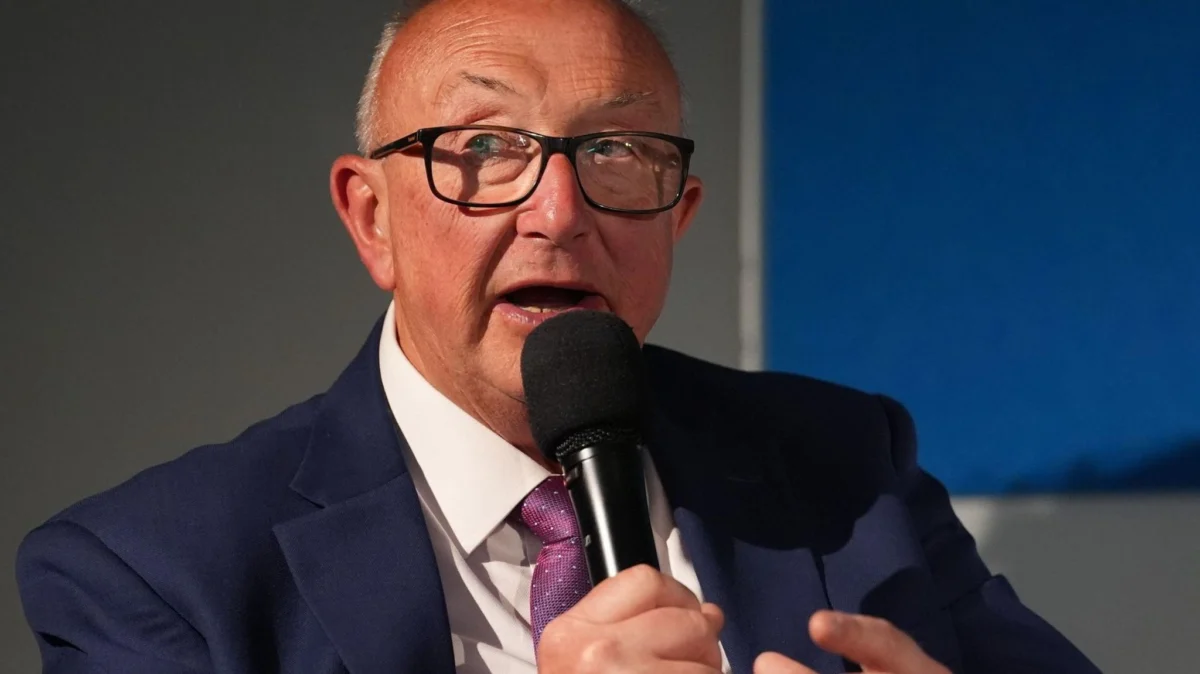
Councillor Brown, a prominent figure within the council (likely a leader or cabinet member given the nature of his statements), articulated the rationale behind the proposed rescission. He affirmed that the council’s commitment would now firmly rest on "practical work that delivered clear benefits for residents and businesses." This philosophy suggests a move away from what might be perceived as abstract or long-term climate targets towards more immediate, measurable, and locally impactful actions. This reorientation prioritises initiatives that directly address everyday concerns while simultaneously contributing to environmental goals.
The scope of this practical work is extensive and covers several critical areas. Firstly, it includes activity that helps households cut energy bills. This could involve promoting insulation schemes, providing advice on energy-saving behaviours, or supporting access to government grants for energy-efficient upgrades. Secondly, improving the energy efficiency of homes and council buildings is a cornerstone, entailing retrofitting older properties, installing renewable energy sources like solar panels, and upgrading heating systems to reduce energy consumption and associated costs. Thirdly, the council aims to reduce long-term running costs for its own operations and for local businesses, achieved through energy-saving measures, waste reduction, and more efficient resource management. Fourthly, supporting local businesses is crucial, perhaps through grants for green technologies, advice on sustainable practices, or fostering a local circular economy. Fifthly, securing external funding for the borough is a key objective, ensuring that Barnsley can access national and regional pots of money for environmental and regeneration projects. Finally, the council will continue to meet statutory duties related to environmental protection, waste management, air quality, and biodiversity, which are legally mandated regardless of any climate emergency declaration. These duties form a baseline of environmental responsibility that the council cannot ignore.
Councillor Brown’s declaration went further, adopting a distinctly political and confrontational tone: "The war on woke is only just beginning. We have taken the first steps, but there is much more to do." This statement places the rescission of the climate emergency declaration within a broader ideological battle, framing climate action as a "woke" ideology that needs to be challenged. The term "woke" has become a pejorative in certain political circles, often used to dismiss progressive social and environmental policies as overly sensitive, performative, or detached from common sense. By aligning the climate emergency declaration with "wokeness," Brown’s comments suggest a deliberate rejection of what he perceives as virtue signalling or symbolic gestures that do not yield concrete local benefits.
He elaborated on this "war on woke" by linking it to other local governance issues, stating, "We have stood up for our countryside, got the bins back on track and we are standing firm on our intention to withdraw the climate emergency declaration." The mention of "standing up for our countryside" could allude to concerns about planning regulations, green belt protection, or rural development, often contentious issues in local politics. "Got the bins back on track" refers to a fundamental council service, implying that under the current leadership, basic services are being prioritised and improved, potentially contrasting with previous administrations or perceived diversions of resources towards less essential initiatives. These statements collectively paint a picture of a council leadership focused on practical, visible improvements and a rejection of what they view as abstract or ideologically driven policies.
The process for formally rescinding the declaration is underway, with an initial report expected to be completed by the end of September. This report will likely outline the procedural steps, legal implications, and a proposed timeline for the withdrawal, which would then require a council vote for final approval. The completion of this report is a crucial administrative step before the council can move forward with its intention.
Barnsley Council’s move is not an isolated incident but rather part of a discernible trend among Reform-led councils across the United Kingdom. Earlier this year, Reform-led Wakefield Council made headlines when it voted to rescind its own climate and biodiversity emergency declaration, which had been in place since May 2019. This precedent set by a neighbouring authority in Yorkshire highlights a coordinated or ideologically aligned approach. Other councils where Reform UK has gained influence have followed suit, or are considering similar actions. Newcastle-under-Lyme Borough Council, Sunderland Council, South Tyneside Council, and Walsall Council have all backed motions to rescind their respective pledges. This growing list of councils indicates a broader political strategy by Reform UK, which often expresses scepticism about the costs and perceived efficacy of aggressive net-zero targets, preferring instead a focus on economic growth and local services.
The original climate emergency declaration, made by Barnsley Council in 2019, mirrored a widespread movement across local authorities in the UK and globally. These declarations were largely symbolic but carried significant weight, committing councils to recognise the severity of the climate crisis, integrate climate action into all decision-making, and often set ambitious targets for carbon reduction. They were seen as a crucial step in mobilising local resources and political will to address an urgent global challenge, often driven by public pressure and scientific consensus. The rescission, therefore, represents a significant reversal of that commitment, potentially sending a mixed message about the council’s priorities and its engagement with the broader climate agenda.
The implications of Barnsley Council’s decision are multifaceted. Environmentally, critics might argue that rescinding the declaration undermines the urgency of climate action and could de-prioritise efforts to reduce emissions and protect local ecosystems, potentially slowing progress towards the Zero40 and Zero45 targets, despite the stated commitment to practical work. Politically, the move aligns Barnsley with a growing number of councils taking a more conservative stance on climate policy, reflecting a national political shift and the rising influence of parties like Reform UK. It could also spark protests from local environmental groups and opposition parties who would likely view the rescission as a backward step. Economically, while proponents argue it frees up resources for "practical work," critics might contend that it could deter green investment, hinder access to certain funding streams tied to climate commitments, or damage Barnsley’s reputation as a forward-thinking, sustainable place to live and do business. The council, however, firmly believes its re-focused approach will deliver more tangible and immediate benefits, directly addressing the concerns of its constituents while still working towards a more sustainable future through practical, rather than purely symbolic, means.



 atisusanti
 George Anjay
 Nakalama John
 Ramos Leo