
 George Anjay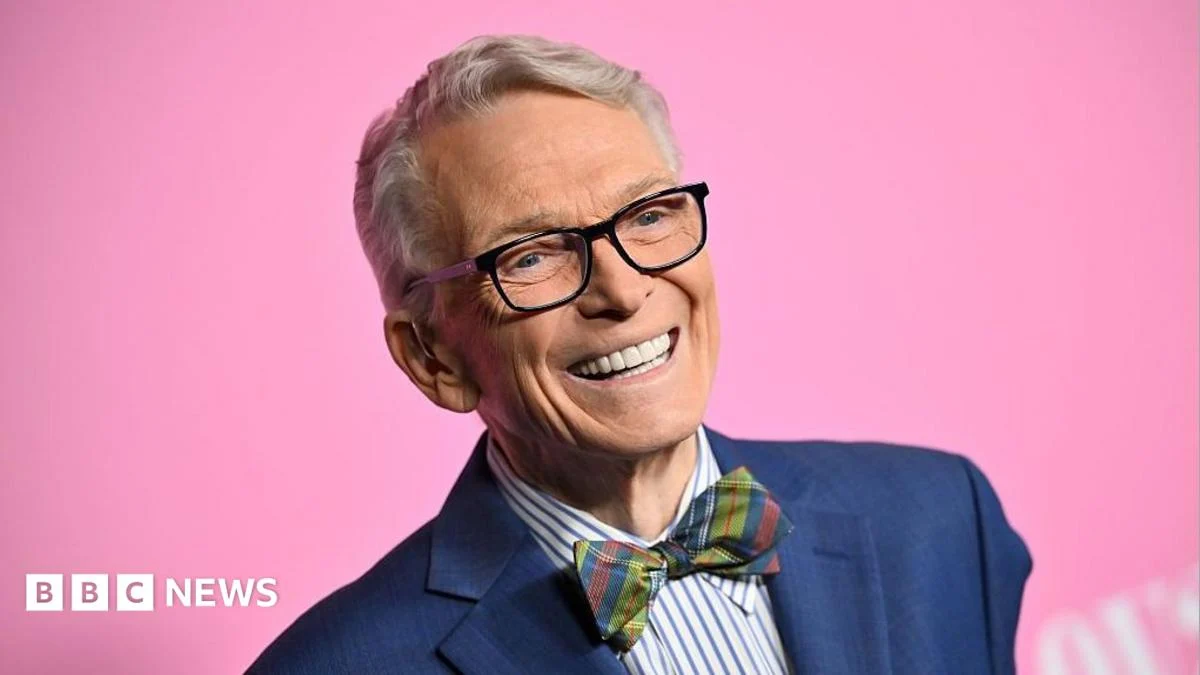
The world of fashion and entertainment is in mourning following the passing of Bob Mackie, the iconic costume designer renowned for his breathtaking creations that adorned the bodies of legends like Cher, Tina Turner, Dolly Parton, and Elton John. Mackie, who passed away at the age of 87, was celebrated globally as the "Sultan of Sequins," a moniker earned through his masterful use of sparkle and flamboyant designs that redefined stage presence and red-carpet glamour. His illustrious career was punctuated by prestigious accolades, including a Tony Award, an astonishing nine Emmy Awards, and three Academy Award nominations, a testament to his unparalleled artistic vision and technical skill.
The somber news was shared on Monday via a heartfelt statement posted on Mackie’s official Instagram account: "It is with a heavy heart that we share the news that Mr Bob Mackie passed away today. He lived his 87 years to the fullest, fulfilling his dream of being a Fashion and Costume Designer, which is all he ever wanted to do. His genius and extraordinary designs will live on forever, continuing to bring beauty into this world." This poignant message encapsulates the essence of a life dedicated to the pursuit of sartorial excellence and the profound impact Mackie had on the visual landscape of popular culture.
Mackie’s influence on Cher’s career is particularly profound and indelible. He was the visionary behind many of her most unforgettable looks, including the daring, showgirl-inspired Mohawk outfit she wore to the 1986 Academy Awards. This ensemble, featuring a dramatic plumed mohawk headdress and a daringly bared midriff – a look that was both groundbreaking and provocative for its time – became etched in fashion history as one of the most audacious and extravagant outfits ever to grace the Oscars red carpet. Famously dubbed her "revenge" outfit, it served as a powerful statement from Cher, who, despite not being nominated for any awards that year, made an undeniable impact. In the 2024 documentary Bob Mackie: Naked Illusion, Cher explained her choice: "I didn’t get nominated for a movie that everyone thought I would actually win for [Mask] – so was dressing that night for a kind of revenge." Mackie himself reflected on his early work with Cher in a 2010 BBC interview, noting her unique presence: "When Cher started out she ‘looked like no-one else in the entertainment business at the time’. Everybody just went crazy over this woman as she could wear anything." Mackie’s designs were instrumental in shaping Cher’s image, and she is widely reported to be the first woman to reveal her belly button on US television, a testament to the boldness and modernity of their collaborations.
Beyond Cher, Mackie’s Midas touch extended to the wardrobes of other global superstars. He was the creative force behind many of Sir Elton John’s most memorable costumes, none more iconic than the bedazzled Dodgers baseball outfit. Worn during his legendary performances at Dodger Stadium in Los Angeles in 1975, this ensemble remains a symbol of Elton John’s flamboyant persona and Mackie’s ability to translate a performer’s essence into wearable art. Sir Elton John paid a touching tribute on Instagram, writing, "Every time I put something on that Bob made, I felt very, very special. His costumes were works of art, and he will go down as one of the most legendary designers ever in Hollywood."
The singer Pink also found a kindred spirit in Mackie, frequently donning his designs throughout her career. Sharing a collection of outfits from her 2009 Funhouse tour, she expressed her gratitude: "I was so lucky to be dressed by him for so long. He was loving, wickedly funny and an absolute genius." Pink’s poignant closing sentiment, "There are going to be some fabulously dressed angels," beautifully captures the widespread sentiment of loss and admiration.

Mackie’s influence continued to resonate even in recent years. Sabrina Carpenter graced the MTV Video Music Awards last year in one of his designs, and Miley Cyrus sported a Mackie creation during her show-stopping performance at the 2024 Grammy Awards. Cyrus’s win that year for her anthem "Flowers" offered a modern echo of the "revenge" dress concept, suggesting that Mackie’s legacy of empowering and emboldening performers through fashion remains as potent as ever.
Born Robert Mackie in 1939 in Los Angeles, Mackie’s fascination with design began at a young age. He studied at the Chouinard Art Institute (now CalArts) and began his career as a sketch artist for the legendary couturier Jean Louis. His early work quickly garnered attention, and he soon found himself dressing Hollywood’s elite. His career trajectory was meteoric, marked by a relentless pursuit of innovation and a deep understanding of the theatricality inherent in costume design.
Mackie’s genius lay not only in his meticulous craftsmanship and his signature use of sequins, beads, and feathers but also in his ability to collaborate intimately with his clients. He understood that a costume was more than just fabric; it was an extension of the performer’s identity, a tool to amplify their stage presence, and a crucial element in crafting a compelling narrative. He wasn’t afraid to push boundaries, challenging conventional notions of modesty and glamour, and in doing so, he helped to shape the visual language of entertainment for generations.
His work on television was equally impactful. Mackie was a frequent designer for variety shows and award ceremonies, creating memorable looks for hosts and performers alike. His designs for Carol Burnett, in particular, were legendary, often playing with exaggerated silhouettes and humorous details that perfectly complemented Burnett’s comedic genius. The show The Carol Burnett Show became a major platform for Mackie’s creativity, earning him numerous Emmy Awards and cementing his reputation as a master of comedic costume.
Beyond the glitz and glamour of Hollywood, Mackie also ventured into Broadway, earning a Tony Award for his costume designs for the musical Carnival! in 1961. His ability to translate the magic of theatre into tangible, breathtaking costumes demonstrated the breadth of his talent and his deep appreciation for the art of storytelling.
Mackie’s enduring legacy is not just in the countless stunning garments he created but in the confidence and empowerment he instilled in the artists who wore them. He was a true artist who used fabric and embellishments to create dreams, to transform performers into icons, and to leave an indelible mark on the tapestry of popular culture. His passing marks the end of an era, but the brilliance of his creations will continue to inspire and dazzle for years to come. The "Sultan of Sequins" may have departed, but his sparkling creations will forever adorn the annals of fashion and entertainment history.




 Nakalama John
 atisusanti
 Ramos Leo
 Roy Suryo
 Nana Banana