
 Roy Suryo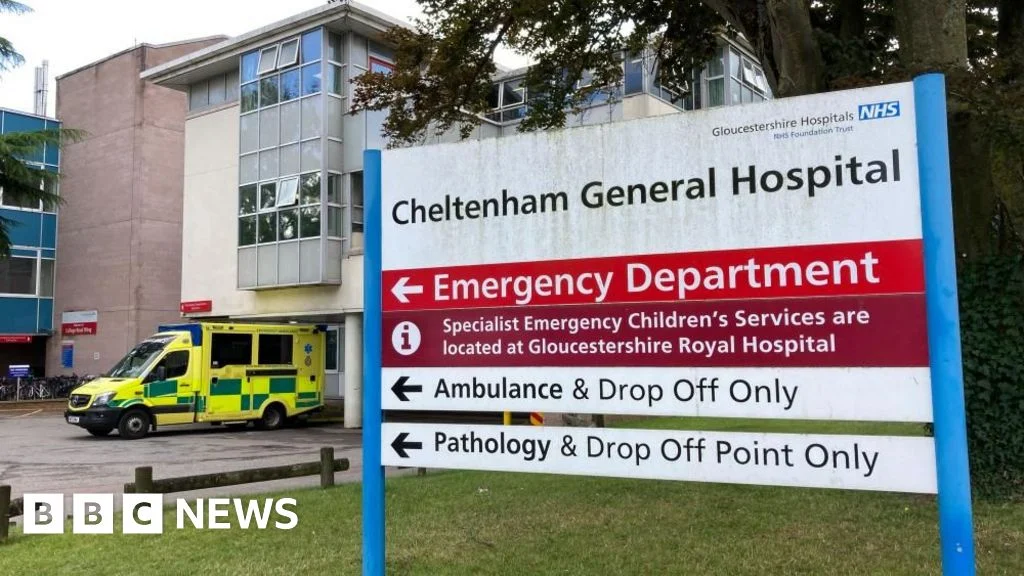
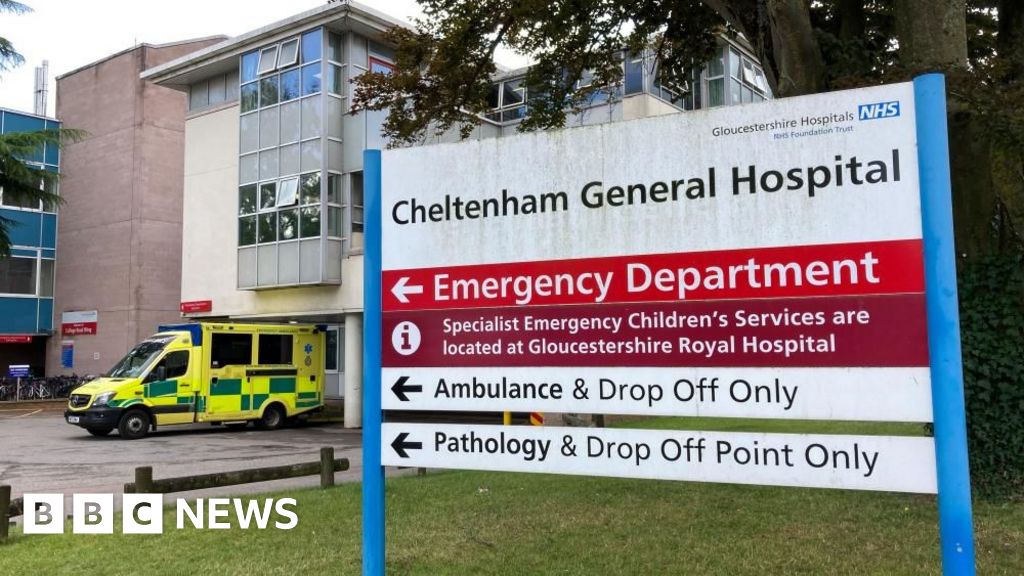
Cheltenham General Hospital’s Emergency Department (A&E) will remain fully operational this week, averting a planned temporary closure that was set to commence on Sunday evening. The dramatic U-turn comes after the British Medical Association (BMA) announced the suspension of a four-day resident doctor strike, originally scheduled to begin at 07:00 BST on Monday and conclude at 06:59 BST on Friday. This significant development follows a last-minute pay offer from the government, which has prompted the BMA to put further industrial action on hold pending a member referendum.
The A&E at Cheltenham General Hospital had been slated for a temporary downgrade from 20:00 BST on Sunday, transforming into a minor injury and illness unit until the end of the week. This measure was a direct consequence of the anticipated impact of the resident doctor strike, which had been widely expected to severely strain hospital resources. However, the suspension of the strike has provided a crucial reprieve, allowing the hospital to continue offering its full range of emergency services.
The BMA confirmed the suspension of the strike on Saturday, stating that the new pay offer presented a potential pathway towards resolving the protracted dispute over doctor remuneration. Dr Jack Fletcher, chair of the BMA’s resident doctor committee, expressed a degree of cautious optimism, acknowledging the government’s recognition of the need for a fair offer. "All we have asked for is a fair offer that secures enough jobs to tackle the madness of doctor unemployment and take steps to address the erosion of our pay," Dr Fletcher stated. He emphasized that the decision to suspend the strike was contingent on the membership’s response to the revised proposal. "Tens of thousands of frontline doctors will now vote in a referendum on whether this offer is sufficient. Doctors will now have their say. If they say no to this offer we will have to continue our plans for further escalated action across next month."
Despite the positive news regarding the A&E, Gloucestershire Hospitals NHS Foundation Trust has acknowledged that the late nature of the strike’s suspension means some disruption to services is unavoidable. The trust confirmed that it was "too late to reinstate cancelled appointments on Monday." However, health chiefs are actively engaged in a process of reorganizing those appointments that were scheduled for Tuesday through Thursday. In a statement, the NHS trust conveyed its commitment to restoring services wherever possible: "While this late change means some disruption to services is unavoidable, we are working quickly to restore services wherever possible." Patients who had appointments cancelled or were due to have them rescheduled are being advised to attend as planned unless they receive direct communication from the hospital.
This planned industrial action, had it proceeded, would have marked the 16th strike in the ongoing dispute between junior doctors and the government over pay and working conditions. The resident doctor strike was a significant escalation in a long-running campaign by medical professionals seeking to address what they describe as a substantial erosion of their pay over the past decade, coupled with concerns about staffing levels and workload. The BMA has consistently argued that competitive pay is essential to recruit and retain doctors, particularly in the face of increasing demand on the NHS and significant levels of doctor unemployment, despite vacancies.
Dr Fletcher further elaborated on the complexities of the negotiations, noting the government’s stance on the current year’s pay increase. "The country simply cannot afford to increase the pay offer for this year. I am pleased that the BMA have recognised this, which has allowed us to make progress in other areas, such as training places and working conditions," he remarked. This suggests that the BMA’s decision to suspend the strike was influenced by concessions made in areas beyond immediate pay increases, such as opportunities for further training and improvements in the overall working environment for resident doctors.
The immediate impact of the strike’s suspension is a considerable relief for patients in Gloucestershire who rely on Cheltenham General Hospital for emergency care. The prospect of an A&E being temporarily downgraded could have led to longer waiting times at other hospitals, including those in neighbouring counties, and potentially delayed access to critical treatment for severe injuries and illnesses. The swift action by the BMA and the government to reach a provisional agreement underscores the significant pressure on the NHS and the high stakes involved in maintaining operational capacity during periods of industrial unrest.
The focus now shifts to the upcoming referendum, where thousands of resident doctors will cast their votes on the government’s latest pay offer. The outcome of this vote will determine the future course of action for the BMA and its members. If the offer is rejected, it is highly probable that further industrial action will be planned, potentially impacting services across the NHS once more. Conversely, an acceptance of the offer could signal a period of renewed focus on rebuilding trust and addressing the systemic issues within the medical profession.
The situation highlights the delicate balance the NHS must strike between managing financial constraints and ensuring adequate compensation and working conditions for its staff. The continued threat of industrial action serves as a stark reminder of the challenges facing healthcare systems globally, where the demand for services is ever-increasing, and the workforce is under immense pressure. The BMA’s decision to pause the strike, while awaiting the membership’s verdict, demonstrates a willingness to engage in dialogue and explore potential resolutions, offering a glimmer of hope for a sustained period of industrial peace.
The averted closure of Cheltenham A&E is a significant victory for the local community and a testament to the ongoing efforts of healthcare professionals to secure fair treatment and ensure the continued provision of essential services. The coming weeks will be crucial in determining whether this provisional agreement can pave the way for a lasting resolution to the ongoing dispute, ultimately benefiting both doctors and the patients they serve. The commitment of Gloucestershire Hospitals NHS Foundation Trust to swiftly re-establish normal service operations, despite the logistical hurdles, further underscores the dedication of the NHS to patient care. The public will be closely watching the referendum results, hopeful that a positive outcome will lead to stability and a renewed focus on addressing the critical needs of the healthcare sector.


 George Anjay
 Nakalama John
 atisusanti
 Ramos Leo
 Nana Banana