
 Ramos Leo
Under the proposed policy, the Conservatives estimate that ending new tenancies for all foreign nationals and terminating existing tenancies for couples where neither individual holds UK, Irish, or EU citizenship would liberate an estimated 228,144 homes. These properties, currently occupied by non-citizens, would then be reallocated to British families currently languishing on extensive housing waiting lists. The party framed this initiative as a direct response to what they describe as Labour’s failure to manage immigration effectively, asserting that uncontrolled immigration has exacerbated the strain on public services, including social housing.
The details of the Conservative proposal outline a clear distinction between various categories of foreign nationals. For current social housing tenants, the policy would specifically target single individuals who are not UK, Irish, or EU citizens, regardless of whether they have children. Furthermore, couples where neither person is a UK or EU citizen and who do not possess EU settled status would also face eviction. Those holding EU settled status, however, would be exempt from these evictions, acknowledging their established legal right to reside in the UK. Ineligible tenants would be afforded a six-month period to vacate their social homes and find alternative accommodation, a timeframe that critics argue is insufficient for many vulnerable individuals and families.
Looking ahead to future tenancies, the policy would establish new eligibility criteria. Only UK nationals and individuals who have secured EU settled status would qualify for new social housing allocations. Any new EU citizens arriving without settled status would consequently be barred from accessing social housing. This marks a shift from current regulations, which permit foreign nationals with settled status, refugee status, or specific humanitarian protections to qualify for social housing. Asylum seekers, with the exception of rare circumstances such as domestic abuse cases, are already largely ineligible for social housing, typically relying on separate government-provided accommodation. Social housing, often managed by local councils or housing associations, is a crucial lifeline for many, offering significantly cheaper and more secure tenancy agreements compared to the volatile private rental market.
The proposal comes amidst a severe and worsening housing crisis in the UK. Government figures from March 2025 reveal a staggering 1.34 million households currently on social housing waiting lists across England. This immense demand far outstrips supply, leading to lengthy waits and increasing pressure on families struggling to find affordable and secure homes. The Conservatives’ focus on foreign nationals as a factor in this crisis echoes earlier policy considerations; in 2024, when last in government, they explored plans to mandate a 10-year residency period in the UK before foreign nationals could qualify for social housing, indicating a persistent concern within the party regarding access to these resources.
Statistics on existing social housing occupancy reveal that the vast majority of social housing lettings are already granted to UK nationals. In the 2024-25 period, 89%, or approximately 233,000, of new social lettings had UK nationals as the lead tenants. Refugees, a group often subject to specific housing provisions due to their displacement, accounted for a smaller proportion. During the same period, 2.3% of new lettings were given to refugees, comprising 800 UK national refugees and 3,900 non-UK national refugees. The most common nationalities among non-UK national refugees receiving new social lettings were Afghanistan and Ukraine, reflecting recent geopolitical crises and humanitarian efforts.
Conservative shadow work and pensions secretary Helen Whately articulated the party’s philosophy behind the policy, stating, "Making Britain your home should be earned by working, paying tax and integrating. It should not come with a free ride on the benefits system. Britain cannot be a cash machine for the world." Her comments underscore a broader party narrative linking immigration to welfare dependency and financial strain on the British taxpayer. Whately further contended that Labour’s purported loss of control over immigration has directly contributed to an escalating welfare bill and the burden on British families, who find themselves stuck on housing waiting lists as a consequence. This rhetoric aims to draw a clear line between the two major parties ahead of the election, positioning the Conservatives as the party of fiscal responsibility and national interest.
The proposed policy has, predictably, drawn sharp criticism from opposition parties and charity organizations. Labour swiftly condemned the Conservative plan as an "unserious, unworkable proposal, copied from Reform, that does nothing to tackle the housing crisis the Tories themselves created." Labour spokespersons argued that the policy is a desperate attempt at "headline-chasing" and a dangerous lurch "to the extremes" in an effort to counter the rising influence of Reform UK. They emphasized that the housing crisis is fundamentally a supply-side issue, exacerbated by years of underinvestment in social housing construction by successive Conservative governments. Furthermore, Labour warned that the proposed evictions would primarily impact vulnerable groups, including refugees and long-term UK residents who have contributed to the country, potentially increasing homelessness and social instability.
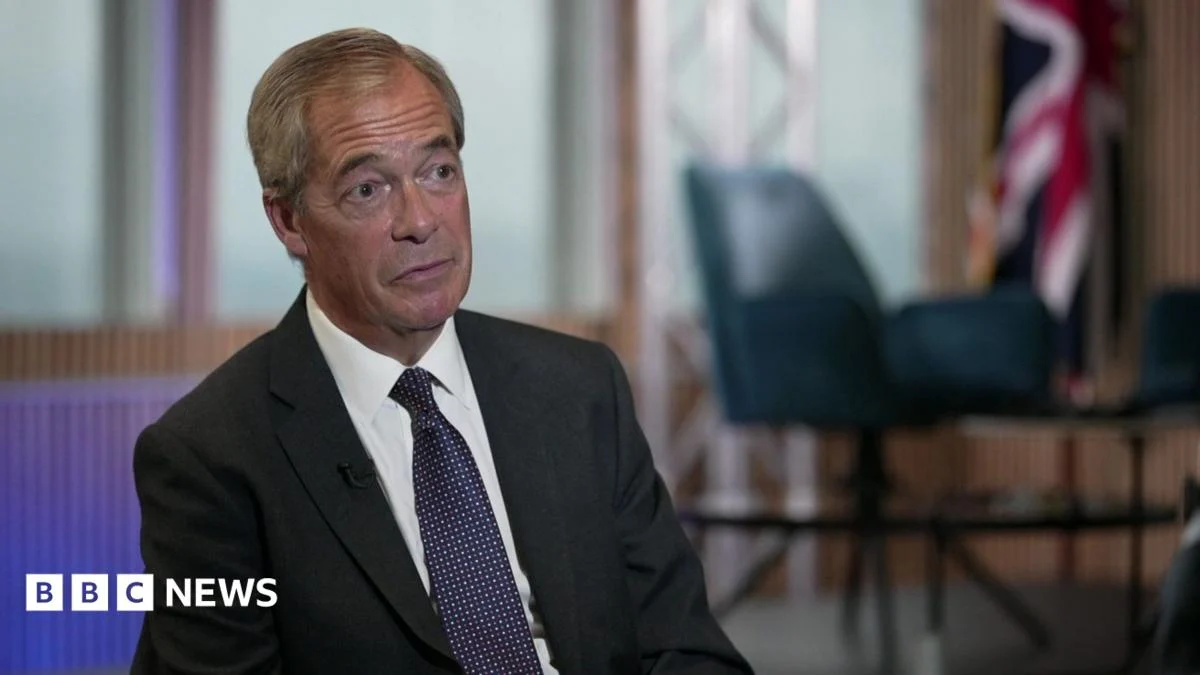
Reform UK, a party known for its hardline stance on immigration, also weighed in, accusing the Conservatives of attempting to co-opt their policies but failing to go far enough. Reform UK leader Nigel Farage had previously advocated an even more stringent approach in June, suggesting that foreign national tenants should be required to find private accommodation within three months or face potential deportation if his party were in power. Reform UK’s home affairs spokesperson, Zia Yusuf, criticized the Conservative proposal for its exemption of those with EU settled status, stating, "Incredibly, Kemi Badenoch’s new policy is to allow tens of thousands of foreign nationals from the EU to occupy British social housing funded by British taxpayers." Yusuf reiterated Reform UK’s uncompromising position: "Reform UK will ensure British social housing is strictly for British citizens." This exchange highlights the competitive landscape among right-leaning parties vying for votes on immigration and housing.
Housing and homelessness charity Shelter voiced strong opposition to the Conservative plans, asserting that existing eligibility rules for social housing are already strict and that accommodation is not simply handed out to new arrivals. Sarah Elliott, Shelter’s chief executive, condemned the policy as "divisive" and warned that it "would brutally kick people out of their homes, including thousands of families and pensioners who have lived in them for decades." Elliott reiterated the charity’s long-standing position that the housing emergency is a direct consequence of successive governments’ failure to build a sufficient number of genuinely affordable social homes, rather than an issue of who accesses the existing stock. She underscored the potential human cost and the practical challenges of implementing such a sweeping eviction policy, which could plunge thousands into homelessness and place immense pressure on already overstretched support services.
The practical implications of such a policy are extensive and complex. Identifying all ineligible tenants across the vast social housing sector, processing their evictions, and managing potential legal challenges would represent a significant administrative burden for local authorities and housing associations. There are also profound legal and human rights questions, particularly concerning individuals who have established lives in the UK, raised families, and contributed to their communities for many years. Evicting such individuals, especially those with children, could lead to prolonged legal battles and severe social consequences. The economic impact of potentially forcing tens of thousands of individuals into the private rental market or onto the streets would also be considerable, placing additional strain on an already struggling system.
Politically, the Conservative pledge appears to be a calculated move to appeal to a specific segment of the electorate concerned about immigration and the perceived strain on public services. By positioning themselves as tough on immigration and prioritizing "British families," the party aims to differentiate itself from Labour and to counteract the growing appeal of Reform UK. This focus on immigration and housing ahead of a general election signals an intent to draw clear ideological lines and tap into public anxieties. However, the policy’s contentious nature, its potential for legal challenges, and the severe human impact predicted by charities mean it is likely to remain a highly debated and controversial aspect of the upcoming election campaign.


 George Anjay
 Nakalama John
 atisusanti
 Roy Suryo
 Nana Banana