
 Roy Suryo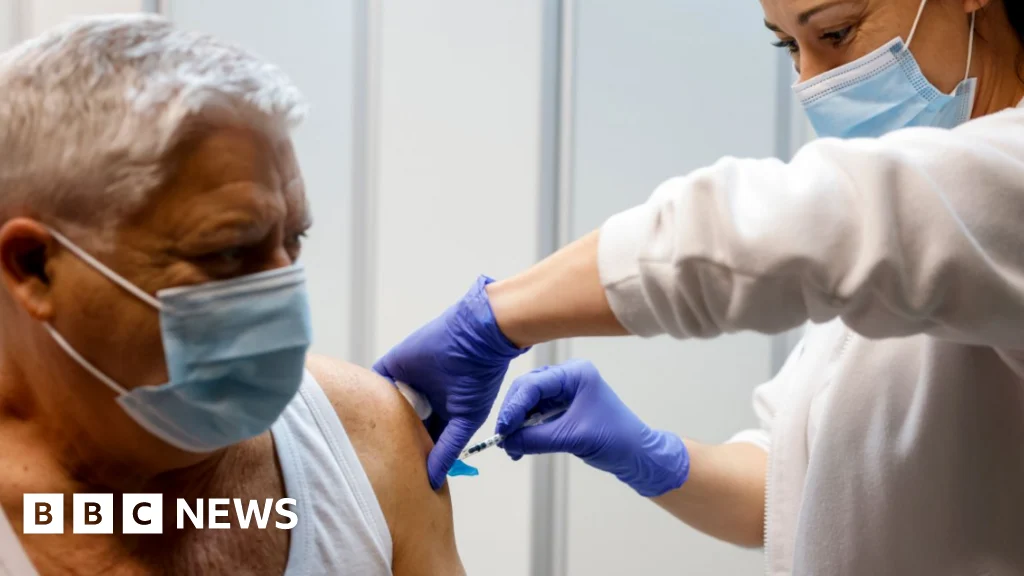
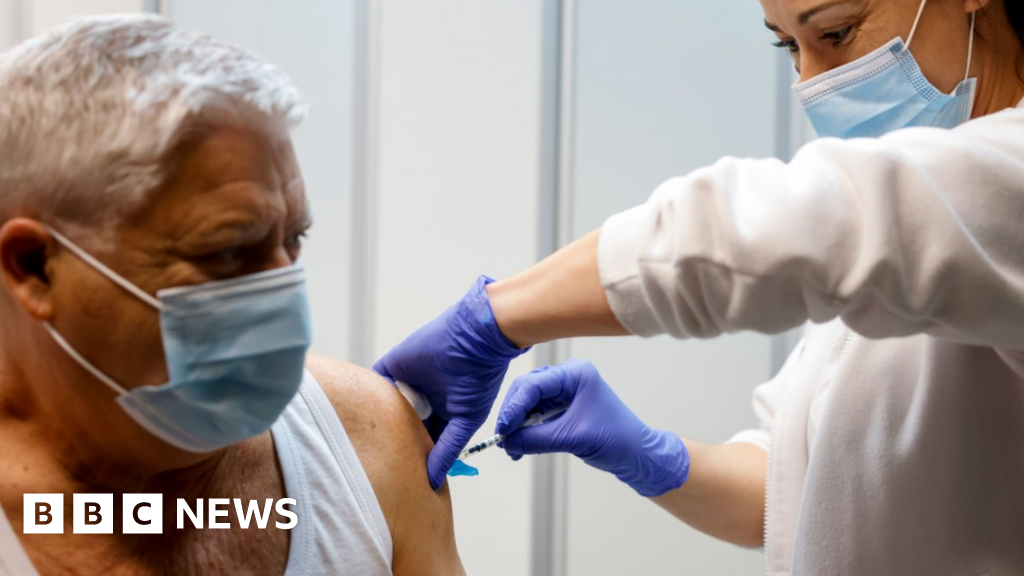
The largest immunisation programme in UK history, the rollout of Covid vaccines, has been hailed as an "extraordinary feat" that demonstrably saved hundreds of thousands of lives, according to a comprehensive report released by the Covid inquiry. While the report, the fourth from the inquiry, is largely positive, it sounds a significant warning about persistent vaccine hesitancy, the damaging impact of misinformation, and the urgent need for improved support for individuals who have suffered adverse effects from the jabs. The 274-page document lays bare a series of crucial findings that underscore both the triumphs and the lingering challenges of the pandemic response.
The Covid vaccination programme stands as a monumental achievement, unprecedented in its speed of development and deployment. Vaccines that typically require years of rigorous research and clinical trials were brought to fruition in mere months, a process that the inquiry confirms did not compromise safety or regulatory standards. The scale of the rollout was staggering, with approximately 130 million doses administered within a single year, leading to the immunisation of over 90% of the population aged 12 and above. Authorities demonstrated remarkable innovation in their efforts to maximise uptake, establishing pop-up clinics in diverse community settings, including community centres and faith-based organisations. This collaborative approach, involving partnerships between the NHS, government bodies, and local community leaders, was instrumental in addressing vaccine hesitancy. The inquiry unequivocally states that this collective effort "showcased many of the best attributes of the UK’s health and scientific systems."
However, the report pivots to address a significant concern: the pervasive spread of misinformation online regarding vaccines. This digital deluge not only hampered the uptake of the Covid jab but has also demonstrably eroded confidence in routine childhood vaccinations that are entirely unrelated to the pandemic. The inquiry highlights that deep-seated distrust in authority, particularly prevalent within certain ethnic minority communities and in more deprived areas, remains a significant barrier. Both of these issues, the report argues, demand immediate and sustained attention.
Furthermore, the inquiry probes into the government’s controversial attempts to mandate vaccination for specific professional groups. The decision in June 2021 to require care workers in England to be vaccinated to work in care homes, followed by proposals to extend this mandate to all health and care staff, is scrutinised. While the latter policy was ultimately scrapped before implementation, and the mandate for care home staff was revoked, the report suggests that these coercive measures may have inadvertently contributed to alienation and exacerbated vaccine hesitancy. The inquiry points to mounting evidence that the initial perceived limitations of the jab’s ability to prevent infection and transmission, compared to its primary benefit of protecting against severe illness, further complicated the government’s messaging and strategy. The report concludes that a more concerted effort is needed to rebuild trust in all vaccines, moving beyond mandates towards more persuasive and inclusive communication strategies.
Beyond the focus on vaccines, the report also acknowledges the UK’s critical role in identifying effective treatments for those hospitalised with Covid-19. A prime example is the rapid deployment of dexamethasone, a readily available and inexpensive steroid drug. UK researchers played a pivotal role in identifying that dexamethasone could effectively mitigate the overactive immune response in Covid patients, a key cause of fatal lung damage. The drug began to be administered in hospitals in June 2020, mere hours after the trial results were confirmed and shared globally. By March 2021, it is estimated that dexamethasone had saved an astonishing 22,000 lives in the UK and a million lives worldwide. Inquiry chair Baroness Hallett designates dexamethasone as the single most important treatment employed during the pandemic, underscoring the power of targeted research and swift implementation.
The report then turns its attention to a more sensitive but crucial issue: the support provided to individuals who have suffered serious harm from Covid vaccines. While acknowledging that such occurrences were rare, the report stresses the ethical imperative to provide robust support to this small but significant group, especially given the societal emphasis on vaccination for both personal and collective protection. The current Vaccine Damage Payment Scheme (VDPS), a government-funded financial support mechanism, is heavily criticised for its inadequacy. Despite over 20,000 Covid-related claims being made, only about 1% have resulted in the one-off tax-free award of £120,000.
The inquiry calls for "urgent" reform of the VDPS, stating that it is "not sufficiently supportive." A key finding is that the existing requirement for claimants to demonstrate at least "60% disability" is not effectively suited to the specific nature of injuries potentially linked to Covid vaccines. Furthermore, the report highlights that the payout cap of £120,000, which has been in place since 2007, is now outdated and needs to be increased "at least in line with inflation." The inquiry recommends the establishment of new award levels that are directly proportionate to the severity of the injury suffered, ensuring a more equitable and compassionate system for those impacted by vaccine-related harm. This recommendation underscores a commitment to acknowledging and compensating those who have borne the brunt of adverse reactions, reinforcing the importance of comprehensive support alongside successful public health initiatives.




 George Anjay
 Nakalama John
 atisusanti
 Ramos Leo
 Nana Banana