
 Nana Banana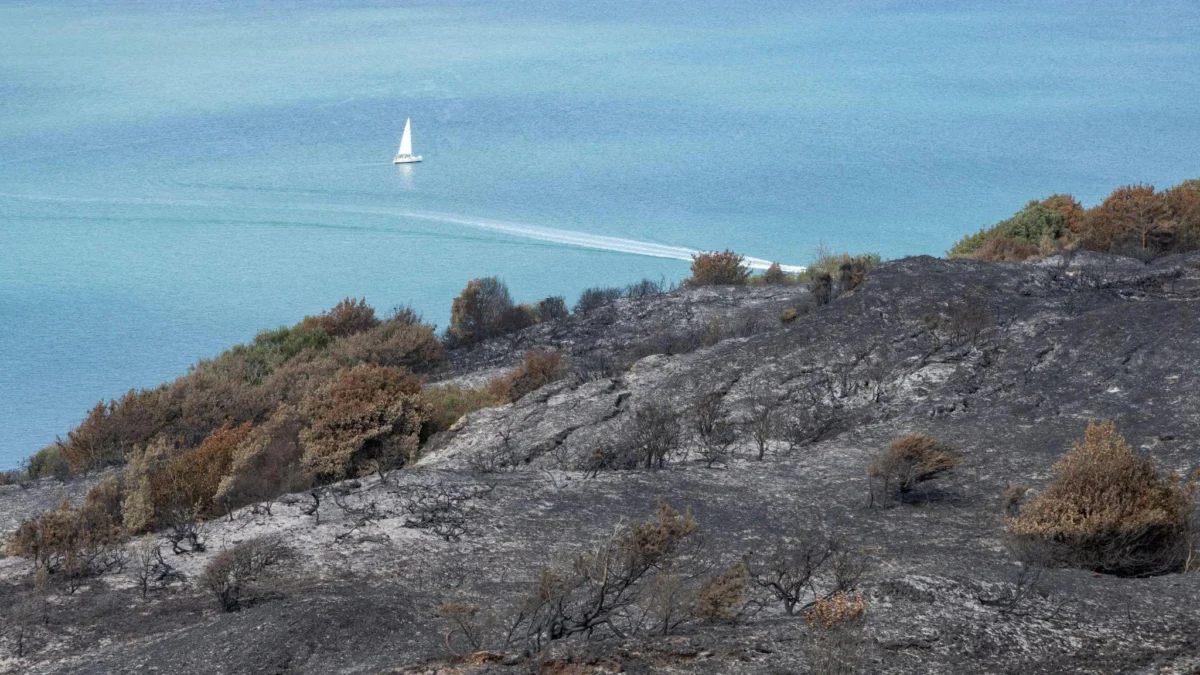
The initial inferno, which first erupted on July 23, devastated a significant portion of this nationally important maritime heathland and rare limestone grassland. Over five harrowing days, the wildfire consumed approximately nine hectares (22.2 acres) of Headon Warren, leaving a blackened, desolate landscape in its wake. Investigations by fire crews revealed the presence of campfire remains at the ignition point, strongly suggesting human activity as the likely cause of the initial catastrophe. The remote location of the site, coupled with its treacherous steep slopes and proximity to sheer cliff edges overlooking the Solent, presented formidable obstacles for the dozens of firefighters who battled the blaze at its peak.
The initial response was monumental, involving a massive coordinated effort. Eighty firefighters, including specialist crews ferried over from the mainland, worked tirelessly around the clock. Their efforts were augmented by a helicopter, which performed crucial water drops, drenching the flames with seawater drawn directly from the Solent. This aerial support was vital in reaching inaccessible areas and preventing the fire from spreading further across the fragile terrain. Despite their valiant efforts, the sheer intensity and scale of the blaze underscored the extreme fire risk that had gripped the region following prolonged dry conditions and a heatwave.
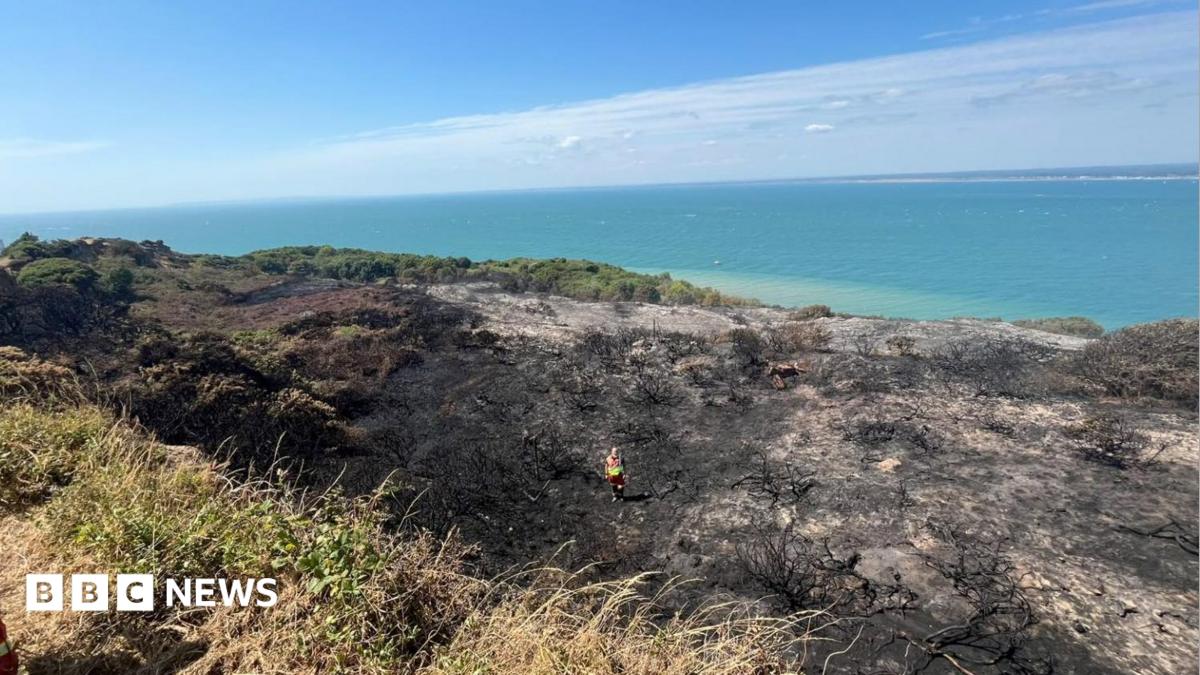
The recent flare-up, occurring around midday on Tuesday, highlights a particularly insidious aspect of wildfires in peat-rich areas. Peat, a dense accumulation of partially decayed vegetation, is highly combustible when dry. Once ignited, it can burn slowly and deeply underground, often without visible flames or smoke on the surface. This "smouldering" combustion can persist for extended periods, as the heat becomes trapped within the organic material, making detection incredibly difficult and extinguishment a laborious process. Firefighters must painstakingly damp down vast areas, often digging deep into the ground to ensure the fire is completely out, a task that is physically demanding and time-consuming. The danger lies in these underground hot spots resurfacing, especially with even a slight gust of wind or a drop in humidity, as evidenced by this latest incident.
The ecological fallout from the Headon Warren fire is profound and long-lasting. Paul Davies, the National Trust’s countryside manager for the island, has painted a grim picture of the immediate devastation and the arduous recovery ahead. Headon Warren is not merely a scenic vista; it is a critical habitat, boasting one of the Isle of Wight’s largest maritime heathlands and unique limestone grasslands. These ecosystems are home to a diverse array of wildlife, many of which are rare or protected. The inferno, occurring during the breeding season, is believed to have caused widespread mortality among nesting birds, as well as reptiles, small mammals, and amphibians. The area’s previously remote nature, which offered minimal disturbance from walkers and dogs, had allowed these vulnerable populations to thrive, making the loss even more poignant.
The National Trust, which cares for the 30 hectares (approximately 74 acres) of Headon Warren, works in a long-term partnership with Natural England. Their collaborative efforts focus on restoring these rare maritime heathland and limestone grassland habitats, making the fire a significant setback for years of dedicated conservation work. The recovery process will undoubtedly be protracted, with experts predicting it will take "years" for the landscape to begin healing. This recovery involves not only the slow regeneration of vegetation but also the gradual return of wildlife, a process that relies heavily on careful management and minimal human interference.
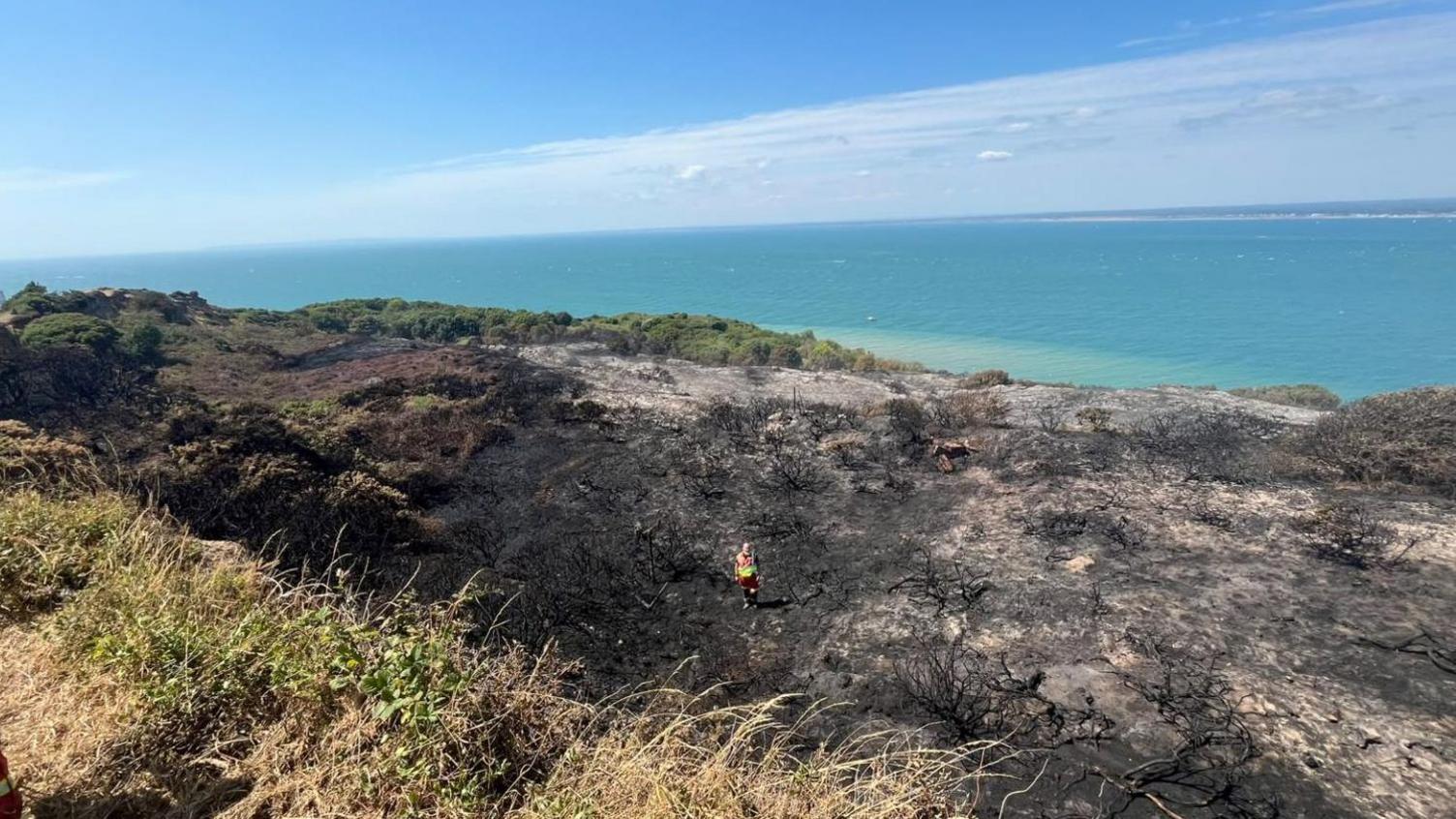
In the aftermath of the initial blaze, and now following the flare-up, public access has been carefully managed. While some footpaths have reopened, walkers are being earnestly requested to avoid all burnt areas. This plea is crucial for two main reasons: firstly, to allow the fragile ecosystem to begin its natural recovery without further disturbance, and secondly, to ensure public safety given the unstable ground and potential for lingering hot spots or further flare-ups. The charred remains of the heathland, juxtaposed against the stunning coastal backdrop, serve as a stark visual testament to the power of wildfires and the vulnerability of natural landscapes.
The Headon Warren fire is not an isolated incident but rather part of a worrying trend of increasing wildfires across the UK, often exacerbated by hotter, drier summers linked to climate change. The incident underscores the critical importance of public vigilance and adherence to fire safety guidelines, especially in sensitive natural areas. Simple precautions, such as refraining from lighting campfires or using disposable barbecues in dry conditions, can prevent catastrophic events. The presence of campfire remains at the origin point of the initial fire is a sobering reminder of how a moment of carelessness can lead to widespread destruction and long-term environmental damage.
Looking ahead, the National Trust and HIWFRS will continue to monitor Headon Warren diligently for any further signs of smouldering peat or re-ignition. Long-term restoration plans will need to be meticulously developed, potentially involving measures such as reseeding native plant species, managing invasive species, and creating new habitats to support the returning wildlife. The collective efforts of conservationists, emergency services, and the public will be essential in ensuring that this vital coastal heathland can eventually regain its former ecological richness and resilience. The battle against the Headon Warren fire, both above and below ground, is a vivid illustration of the ongoing struggle to protect our precious natural heritage in an increasingly challenging climate.



 atisusanti
 George Anjay
 Nakalama John

 Ramos Leo