Nana Banana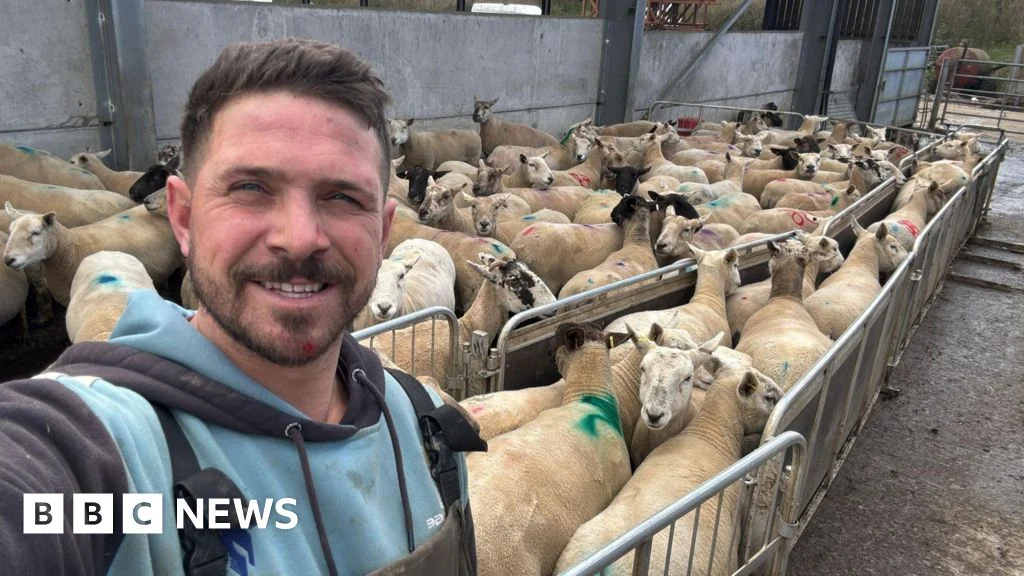
A landmark legislative shift in England and Wales has ushered in stringent new measures designed to better protect farm animals from the devastating consequences of dog attacks. Under this updated "livestock worrying" law, which officially came into force this Wednesday, dog owners found responsible for their pets attacking, chasing, or causing distress to farm animals now face the prospect of unlimited fines. Beyond financial penalties, the new legislation grants police enhanced powers, including the ability to confiscate suspected dogs and take DNA samples to aid investigations, marking a significant departure from previous laws that had remained largely unchanged for over seven decades.
The urgency of this legal reform is underscored by alarming statistics. Insurers NFU Mutual reported that livestock worth nearly £2 million was severely injured or killed by dogs in 2025 alone, representing a substantial 10% increase from the previous year. This escalating crisis highlights not only the profound economic impact on the agricultural sector but also the immense emotional toll on farmers who dedicate their lives to animal welfare. The term "livestock worrying" encompasses a broad spectrum of harmful behaviours, from direct bites and physical attacks to the psychological stress caused by relentless chasing, which can lead to miscarriages in pregnant animals, stampedes resulting in broken limbs, and even death from exhaustion or being trapped.
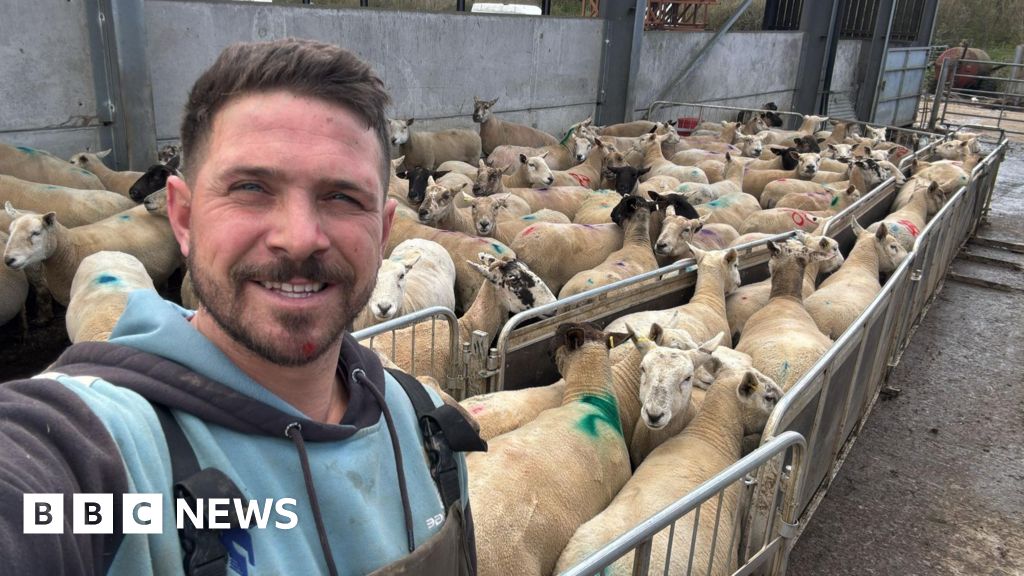
For farmers like Joshua Gay, who manages a mixed farm near Newton St Loe in Somerset, the issue of dog attacks is a constant and deeply distressing "nightmare." He recounts a single, devastating incident last June where a loose dog attacked approximately 35 of his ewes and lambs. The aftermath was horrific: "Some were killed by the dog directly," Gay explained, painting a grim picture of the immediate fatalities. However, the tragedy extended beyond direct physical harm. "Others were just driven into deep brambles and bushes so they couldn’t get out and, with it being 30 degrees and them in a wool fleece, they basically baked like an oven and died," he described, highlighting the agonizing and preventable suffering of his flock. This single incident resulted in thousands of pounds worth of livestock loss, a significant blow to any farming enterprise, compounded by the emotional trauma of witnessing such senseless destruction.
Gay noted that smaller incidents are a common occurrence, particularly during the summer months when an influx of countryside visitors often leads to increased encounters between dogs and livestock. "Walkers go where they aren’t used to going," he observed, suggesting a general lack of familiarity with rural environments and the specific dangers they pose to farm animals. Many visitors, he believes, "don’t know the etiquette or the countryside code and they tend to not be aware or not in control." A critical factor, he stressed, is that "their dog may never have seen sheep before. Their dogs just aren’t used to it." Even owners who believe they have full control over their pets often underestimate the powerful, innate prey drive that can instantly override training when a dog encounters livestock. "The owners think they know their dog but that instinct just takes over," Gay lamented, capturing the common misconception that often leads to tragic outcomes.
The new legislation represents a comprehensive "step forward" in addressing this pervasive problem. It broadens the definition of "livestock" to include not only traditional farm animals like sheep, cattle, and poultry, but also camelids such as alpacas and llamas, reflecting the changing landscape of modern farming. This inclusion is particularly welcomed by owners like Helen Edmunds, 57, of Garth Hall Farm in Rhondda Cynon Taf. She noted that the number of alpaca owners has grown significantly since the original law was introduced in 1953, making their protection crucial. Edmunds emphasized the lasting emotional impact of such attacks, sharing that she still vividly remembers a dog attack on the sheep farm where she grew up and knows of fellow alpaca owners whose animals have suffered serious leg injuries after being bitten by dogs. The expansion of police powers to include DNA sampling is a game-changer, providing law enforcement with a powerful tool to identify culprits and gather irrefutable evidence, even when owners are not immediately present during an incident. The ability to confiscate dogs further underscores the seriousness of the offence, offering a potential deterrent and preventing repeat occurrences by irresponsible owners.
Dr. Anna Muir, a dog behaviourist who runs a training centre near Mold, Flintshire, expressed strong support for the changes, particularly targeting negligent owners. "For irresponsible dog owners who let their dogs run loose under no control, who let them off lead in sheep fields, who show no effort to reduce them chasing livestock – I am absolutely supportive of unlimited fines," she stated. However, Dr. Muir also voiced a nuanced concern for responsible dog walkers, who, despite their best intentions, could inadvertently "get caught out." This might occur if they encounter stray animals on rural roads or if a farmer happens to be moving livestock between fields, creating unexpected situations. To mitigate such risks, Dr. Muir stressed that the safest option, wherever livestock may be present, is unequivocally to keep dogs on a lead. This simple measure can prevent the activation of a dog’s natural prey drive, which can be unpredictable even in otherwise well-behaved pets.
The widespread nature of this issue is further evidenced by a recent survey conducted by the National Sheep Association (NSA). Their findings revealed a shocking statistic: 87% of sheep farmers who responded had experienced a dog attack on their flock in the past year. This overwhelming figure highlights the daily anxiety and economic vulnerability faced by those in the sheep farming industry. Gavin Lane, president of the Country Land and Business Association (CLA), which represents rural landowners, unequivocally called the law change a "serious step forward." He articulated the deep emotional burden carried by farmers, stating, "farmers should not have to live in fear of dogs attacking their animals." Lane added a poignant reflection on the personal cost: "No farmer can forget finding an animal they’ve cared for in pain." The bond between a farmer and their livestock is often profound, representing not just an economic investment but also years of dedicated care and effort. The trauma of finding an injured or deceased animal, particularly one that has suffered, can be deeply distressing and can have long-term psychological impacts on the farmer.
Beyond the immediate legal ramifications, the new law serves as a powerful reminder of the importance of responsible dog ownership and adherence to the Countryside Code. Education remains a critical component of prevention. Dog owners need to be acutely aware of their surroundings, recognize areas where livestock are present, and understand that even the most docile pet can revert to instinctual behaviours when confronted with unfamiliar animals. Clear signage from farmers, coupled with ongoing public awareness campaigns, can play a vital role in fostering a culture of respect and vigilance among dog walkers. The long-term goal is to achieve a harmonious coexistence between dog owners enjoying the countryside and farmers diligently working to produce food and maintain the rural landscape. By empowering law enforcement and imposing severe penalties, the new legislation aims not only to punish irresponsible behaviour but also to instil a greater sense of accountability, ultimately protecting vulnerable farm animals and safeguarding the livelihoods of those who care for them.



 Roy Suryo
 George Anjay
 Ramos Leo