Nana Banana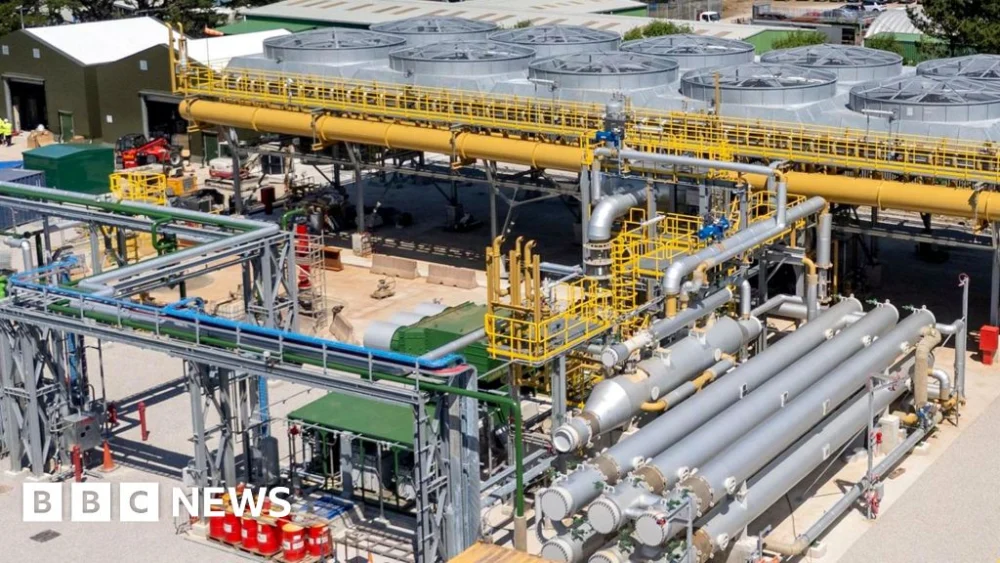
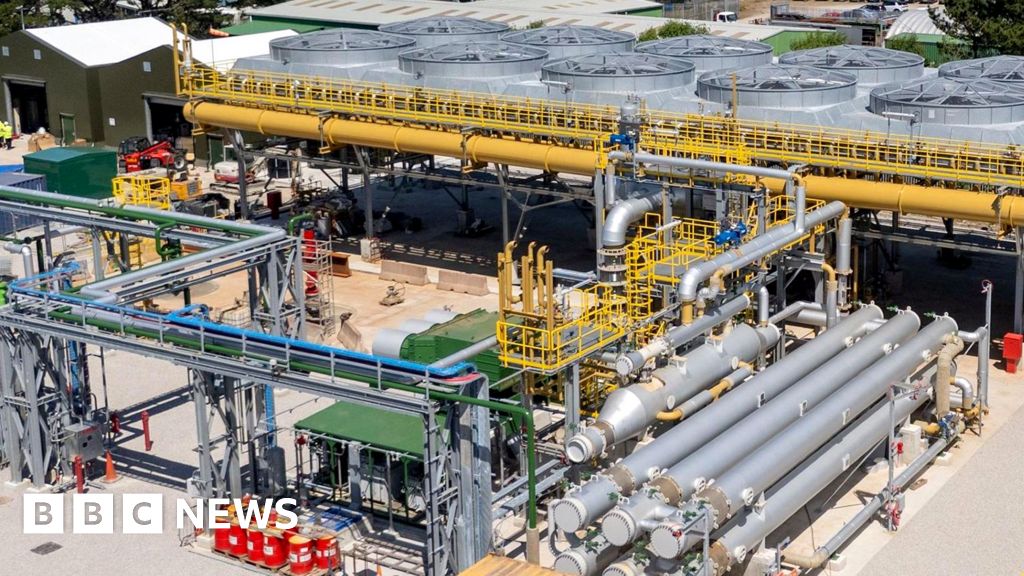
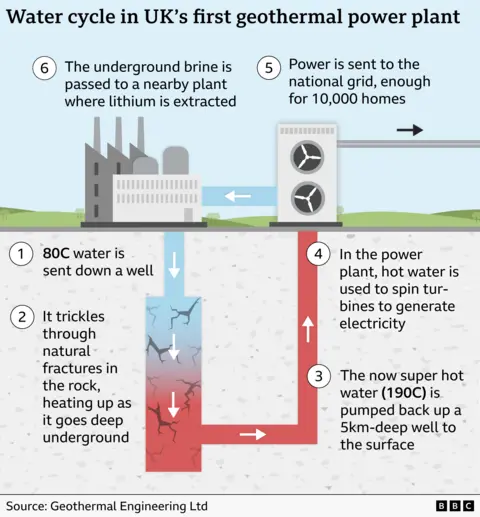
The official switch-on on Thursday morning culminated nearly two decades of intensive development by Geothermal Engineering Ltd (GEL). The journey involved drilling the deepest on-shore well in the UK, a complex and technically demanding feat that pushed the boundaries of engineering. The project represents a paradigm shift from traditional intermittent renewables like wind and solar, offering a baseload power source that is impervious to weather fluctuations or time of day. Beyond electricity generation, the groundbreaking plant will also become the UK’s first domestic source of lithium, a vital critical mineral indispensable for the burgeoning green technology sector, particularly in the production of electric vehicle batteries.
While the British Geological Survey (BGS) lauded the project as a "major step forward" for geothermal energy in the UK, it also highlighted the substantial drilling costs as a potential barrier to widespread replication. Indeed, the deep drilling required to access these high-temperature geothermal resources demands significant upfront investment, a challenge that future projects will need to navigate through innovative financing models and supportive policy frameworks.
Geothermal energy fundamentally taps into the Earth’s internal heat, a virtually inexhaustible and continuously available resource. By drilling boreholes deep into the crust, super-heated water or steam can be extracted, which then drives turbines to generate electricity. The deeper the boreholes, the hotter the temperatures encountered. While shallow geothermal systems, such as ground source heat pumps, are already used in parts of the UK to provide heating for homes and businesses, this Cornish plant ventures much further, reaching depths of three miles where temperatures soar to nearly 200°C – hot enough to efficiently generate electricity.
Dr. Monaghan, head of geothermal at the British Geological Survey, explained the process: "You drill deep boreholes into the ground, and then fractures within the granite rock are used to circulate the water that pick up the heat [that is] used for electricity production." Cornwall’s unique geology, characterised by its extensive granite formations, makes it an ideal location for such a project. Granite is exceptionally effective at holding and conducting the Earth’s heat, creating the perfect underground reservoir for this innovative energy capture. The successful execution of this deep drilling project is a testament to the perseverance and ingenuity of GEL, overcoming both technical complexities and financial hurdles. The project has cost an estimated £50m to date, a significant sum financed through a combination of private investors and a substantial £15m contribution from the European Development Fund, which the UK had access to prior to Brexit.
Ryan Law, CEO of GEL, expressed profound excitement at the plant’s activation, calling it the culmination of "15 years of hard graft, difficulties." He underscored the strategic importance of geothermal power for the UK, citing its insulation from volatile price fluctuations inherent in fossil fuel markets, particularly gas. "And unlike other renewable sources like wind and solar, we are constantly on, 24/7 electricity," Law added, highlighting geothermal’s crucial role in providing grid stability and energy security.
The electricity generated at the United Downs site has been secured by Octopus Energy, a leading green energy supplier, which will distribute it via the national grid to serve the power needs of up to 10,000 homes. An Octopus spokesperson enthusiastically declared, "This project is a genuine game-changer. For the first time, we’re tapping into ‘always-on’ green power in the UK, providing a steady stream of clean, home-grown energy." This partnership exemplifies the growing collaboration between innovative energy developers and forward-thinking suppliers dedicated to transitioning the UK to a fully renewable grid.
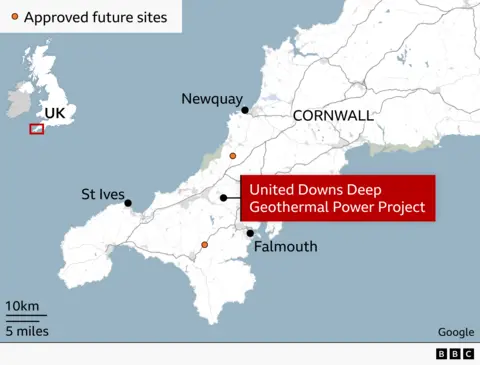
GEL has ambitious plans for expansion, with two additional sites earmarked for future geothermal power plant development in the region. However, one proposed site recently faced initial rejection over environmental concerns, though the company is actively appealing the decision. This underscores the need for clear regulatory pathways and public engagement to ensure that the development of new energy infrastructure proceeds smoothly and sustainably. While Cornwall boasts particularly favourable geological conditions, deep geothermal electricity generation is also technically feasible in other regions of the UK, including Scotland and the Northeast of England. Despite this potential, there are currently no approved plans to develop similar projects in these areas, indicating a need for greater exploration and investment across the country.
Anne Murrell, head of the industry body Geothermal UK, lamented the underutilisation of the nation’s subsurface energy wealth. "We have a great energy resource, underneath our feet in the UK, but we’re not maximising its potential," she stated. Murrell acknowledged that while the upfront costs of deep geothermal are substantial, the long-term operational expenses are comparable to other forms of electricity generation, making it a competitive option. She stressed the critical need for a supportive government policy framework to "unlock investment and increase investor confidence," urging that geothermal be formally recognised as a key component of the UK’s national energy strategy. In a positive sign of growing governmental interest, Lord Whitehead was appointed the country’s first geothermal minister late last year. Ahead of the plant’s switch-on, he hailed it as a "groundbreaking moment for UK energy innovation," signalling a potential shift towards greater policy support.
The broader geothermal industry in the UK is currently experiencing significant growth, particularly in the shallow geothermal sector. There are now approximately 30,000 ground source heat pumps installed in UK homes, with government grants available to help reduce installation costs and encourage wider adoption. Businesses and local authorities are also embracing the technology. Gateshead Council, for example, is innovatively utilising heat from water in abandoned coal mines to warm hundreds of homes. It is estimated that a quarter of all UK homes are situated above disused coal mines, presenting a vast, untapped resource for similar heating schemes. On the European continent, countries like the Netherlands have even more ambitious targets, aiming for a quarter of their homes to be heated using geothermal energy by 2050.
Globally, investment in deep geothermal for electricity generation is surging, with the International Energy Agency reporting an 80% year-on-year increase since 2018. This rapid growth is partly driven by the escalating electricity demands of tech giants. "Data centres have major power needs, and we all know that this is very challenging for our current and future anticipated grid," explained Ms Murrell. "What’s happening worldwide is companies like Google, Meta, Microsoft are looking to geothermal to provide the energy for their data centres." Geothermal offers a reliable, low-carbon power source for these energy-intensive facilities, and crucially, the excess heat produced by data centres can even be efficiently integrated back into the geothermal system, creating a synergistic energy loop.
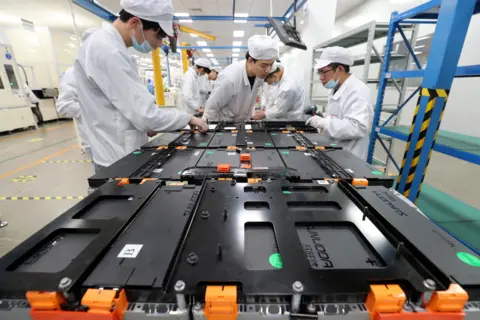
Beyond clean electricity, geothermal projects present another significant benefit for the green transition: the extraction of critical minerals. The fluid circulating deep underground in the Cornish plant contains dissolved lithium, which GEL will now extract as lithium carbonate. This marks the UK’s first commercial source of this vital mineral, which is essential for the production of electric batteries used in everything from smartphones to electric vehicles. Currently, China processes over 60% of the world’s lithium, making domestic sources strategically important for supply chain resilience and reducing reliance on international markets. While the initial output from the United Downs site will be modest—around 100 tonnes of lithium annually, enough for approximately 1,400 EVs—GEL has ambitious plans to scale this production significantly, aiming for 18,000 tonnes per year. The UK government demonstrated its commitment to this aspect of the project by providing a £1.8m grant, covering 50% of the initial lithium extraction costs. This dual benefit of clean energy and critical mineral production firmly establishes the United Downs geothermal plant as a multifaceted contributor to the UK’s clean energy future.




 Roy Suryo
 George Anjay
 Ramos Leo
 atisusanti