
 Ramos Leo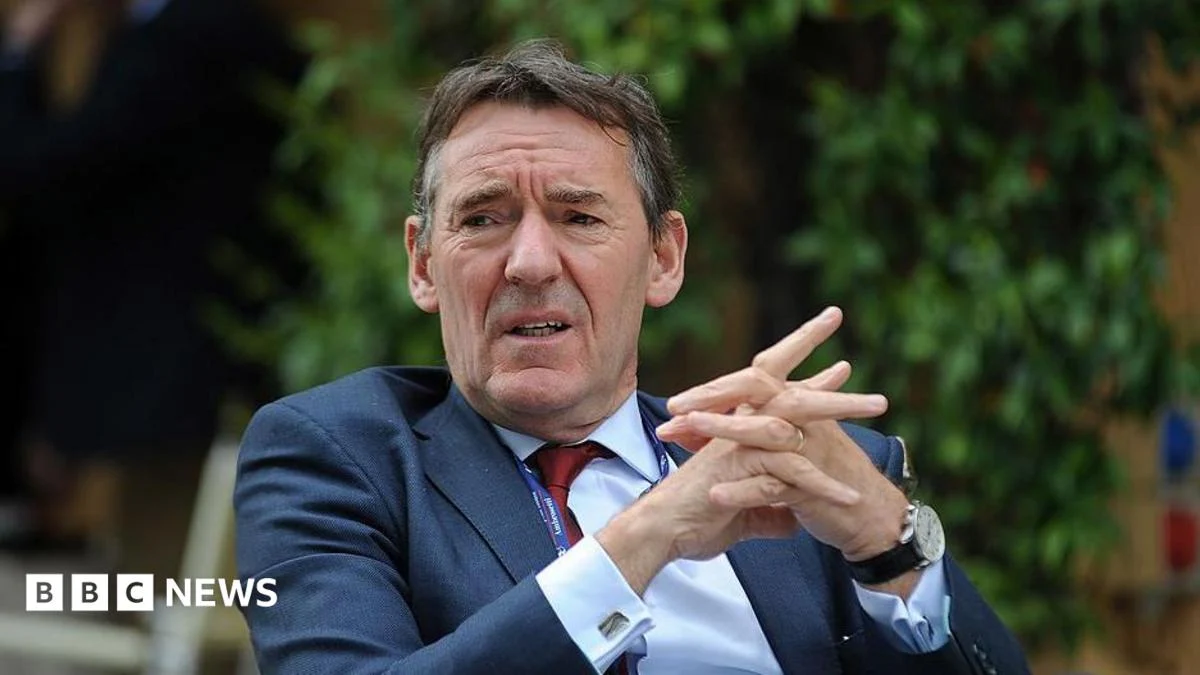
Lord Jim O’Neill, the distinguished economist and crossbench peer, has confirmed he will not be taking on a formal role within a potential future government led by Andy Burnham, despite having been tipped as a strong candidate for Burnham’s chief economic adviser. The announcement, initially reported by the Financial Times, clarifies O’Neill’s intent to remain an independent voice rather than becoming an embedded figure within the political establishment. This decision comes amidst his ongoing advisory capacity to the current Prime Minister, highlighting his continued influence in economic discourse without the encumbrances of a ministerial position.
O’Neill, a figure of considerable repute in global finance and public policy, explained his reluctance stems primarily from the significant constraints inherent in any formal government appointment. Drawing from his previous experience as Commercial Secretary to the Treasury under George Osborne from 2015 to 2016, he articulated a clear understanding of the demands such roles place on individuals. A key factor he cited was the necessity to place business interests into a blind trust, effectively relinquishing personal control over investments to prevent potential conflicts of interest. This requirement, coupled with the "24/7" commitment and the need to "abandon everything else you do," proved to be a decisive deterrent.
Speaking on BBC Radio 4’s Today programme, Lord O’Neill conveyed his profound enjoyment of his current portfolio of activities, which allows him a degree of freedom and influence he would be unwilling to sacrifice. "I have lots of other things that are going on that I very much enjoy," he stated, underlining his preference for engaging with policy and economic issues from an unconstrained vantage point. He concluded that his greater utility lies in remaining an accessible, independent voice for consultation and advice, rather than being confined by the strictures of a government post. His decision, he assured the Financial Times, was "not because of any policy disagreements," signaling his alignment with the broad direction of economic reform, particularly concerning devolution.
Indeed, O’Neill’s passion for regional economic empowerment remains undimmed, and he used the opportunity to emphatically endorse the focus on devolution, urging Andy Burnham and his team to demonstrate "boldness on this and everything else." His advocacy for greater regional autonomy is deeply rooted in his own background, having grown up in Greater Manchester. This personal connection undoubtedly fueled his prominent role in championing the Conservative government’s "Northern Powerhouse" agenda, an initiative designed to foster economic growth and rebalance the economy across the North of England through enhanced infrastructure, investment, and devolved powers.
Lord O’Neill views devolution not merely as a political arrangement but as a crucial economic lever. He highlighted Greater Manchester as a compelling example of successful economic growth directly attributable to increased local control and strategic investment. The region, under the leadership of an elected mayor, has gained significant powers over transport, housing, skills, and strategic planning, enabling it to tailor policies to its unique needs and capitalize on its strengths. O’Neill firmly believes that if this model of empowered local governance and targeted investment could be replicated across other major populated areas of the UK, the cumulative effect would be a substantial improvement in national economic performance. This vision underscores his call for boldness, implying a need for radical and ambitious transfer of power and resources away from Westminster.
Beyond devolution, Lord O’Neill also offered his perspectives on broader fiscal policy, particularly in the context of an upcoming October budget. When questioned by the BBC on the necessity of tax increases, he framed it as a "choice for the prime minister and his team," contingent upon the government’s stated policy objectives. Defence spending, he noted, stood out as a significant expenditure area that could necessitate difficult fiscal decisions. This observation reflects the current geopolitical landscape and the increasing pressure on nations to bolster their defence capabilities, which invariably carries a substantial financial cost.
On the specific issue of wealth taxes, O’Neill expressed strong reservations. He declared himself "not a fan of further increases in these kind of taxes, particularly as it relates to capital gains for genuine risk taking things like venture capital." His stance is rooted in a concern that excessive taxation on capital gains can stifle entrepreneurship, deter investment in nascent businesses, and ultimately impede economic dynamism and innovation. He advocates for policies that incentivize risk-taking and capital formation, viewing them as vital engines of long-term economic growth.
Furthermore, O’Neill pointed to the dramatic increase in government spending witnessed in recent years, a trend exacerbated by events such as the COVID-19 pandemic, the energy crisis, and the ongoing cost-of-living challenges. In light of this, he called for a "more sensible approach to welfare spending under genuine welfare reform." While not detailing specific measures, this statement implies a desire for greater efficiency, better targeting of resources, and potentially reforms aimed at reducing dependency and encouraging participation in the workforce. Such reforms would likely focus on ensuring the welfare system is sustainable, equitable, and supportive of economic activity.
Lord Jim O’Neill’s distinguished career provides ample context for his current views. Before his stint as a Treasury minister, he served as the chief economist at Goldman Sachs, where he achieved global recognition for coining the acronym "BRIC" in 2001. This term originally described four leading developing or newly industrialized countries—Brazil, Russia, India, and China—that he identified as having significant potential for rapid economic growth and, consequently, attractive investment returns. The BRIC nations later expanded to become BRICS with the inclusion of South Africa, fundamentally altering the discourse around emerging markets and shifting the global economic power balance. His insights have profoundly influenced international economic strategy and investment decisions, cementing his status as a thought leader.
His journey from a working-class background in Greater Manchester to a prominent figure in global economics and British politics underscores his deep understanding of both local and international economic dynamics. His consistent advocacy for devolution, rooted in his Northern upbringing and his professional expertise, highlights his conviction that empowering regions is not just a social good but an economic imperative for national prosperity. By choosing to remain outside the formal structures of government, Lord O’Neill ensures he can continue to articulate these powerful economic arguments with the independence and gravitas that have characterized his impactful career.


 George Anjay
 Nakalama John
 atisusanti
 Roy Suryo
 Nana Banana